Nobi BV secured €35 million (US$37 million) in an oversubscribed series B financing round to develop its artificial intelligence (AI)-powered smartlights which can detect falls in the elderly.
The European Union has implemented legislation governing artificial intelligence (AI) with more on tap, but the U.S. has to date lagged in that area. However, the House of Representatives has assembled a bipartisan task force for AI, one of several developments suggesting that 2025 will be an even more AI-focused year than 2024.
The U.K. is embarking on the biggest overhaul of clinical trials regulations in 20 years in a bid to retake ground that was lost following Brexit, when the Medicines and Healthcare products Agency was excised from the EMA’s regulatory system.
The U.K. government will unveil its 10-year health plan to transform the national health service (NHS) in the coming months. At the center of this transformation is expected to be the adoption of artificial intelligence, digital and medical technologies. However, challenges in the NHS around its ‘core technology’, data capture and interoperability must be addressed before the government’s ambition can be realized.
An artificial intelligence-based tool developed by researchers in the U.K. is helping doctors identify people at risk of developing atrial fibrillation. Data from the ongoing Find-AF pilot study shows that the algorithm can comb through patients’ electronic health records and detect red flags which could indicate whether they are at risk of developing the heart condition.
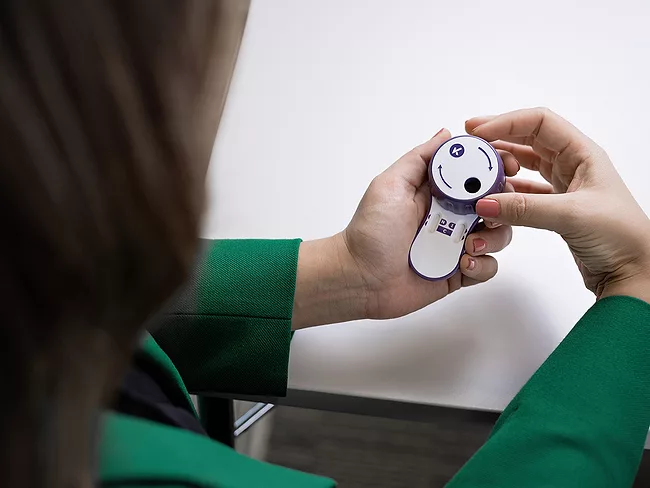
52 North Health Ltd. raised $6 million in financing to bring its oncology products to the market including the Neutrocheck, a point-of-care device and app which monitors cancer patients at home at risk of developing neutropenic sepsis.
The U.K. Secretary of State for Health and Social Care, Wes Streeting, says that he wants people to see the national health service as a neighborhood health service as he works towards reimagining the health system and bringing care into people's homes. Data, he said, will be at the heart of the transformation. So too will be the deployment of science and medical technologies.
The U.K. government is partnering with Oxford Nanopore Technologies plc to use its sequencing technology to create the world’s-first ‘early warning system’ for future pandemics. The partnership includes the development of a pathogen-agnostic biosurveillance system across the national health service (NHS).
Remote monitoring for patients with implanted cardiac electrophysiology devices may finally be coming of age in the U.K. thanks to a review of these systems by the National Institute for Health and Care Excellence.
The U.K.'s Medicines and Health Care Products Regulatory Agency (MHRA) has posted a series of draft new regulations that will increase the requirements for device makers doing business in the U.K. However, the agency has also floated a regulation for the production of pharmaceuticals at the point of care, a proposal MHRA said is the first of its kind.