With top-line pivotal data with gene therapy RGX-202 for Duchenne muscular dystrophy (DMD) due in the next quarter, Regenxbio Inc. rolled out positive interim data from the phase I/II Affinity trial at the Muscular Dystrophy Association Clinical and Scientific Conference (MDA) in Orlando, Fla., where Bridgebio Pharma Inc., Capricor Therapeutics Inc., and Solid Biosciences Inc. also had clinical findings to talk about.
The budget impasse between Democrats and Republicans on Capitol Hill has implications for a wide range of federal government operations, including at the U.S. FDA, which is absorbing another round of layoffs and cannot accept new premarket filings that require user fee submissions.
The U.S. FDA posted an update on the early alert for the Novum IQ infusion pump by Baxter International Inc., which includes a suggestion that the administration set be moved half an inch farther down the line before doubling the bolus infusion rate.
The European Commission is seeking feedback from stakeholders on the oversight of high-risk AI products, one objective of which is to develop a series of guidelines for classification of high-risk AI systems – a consideration of great interest to med-tech firms doing business in the EU.
A new guidance by the International Medical Device Regulators Forum for good machine learning practices draws heavily on a 2021 playbook provided by Canada, the U.K. and the U.S., an outcome that also supports the notion that there is no point in reinventing a highly functional regulatory wheel.
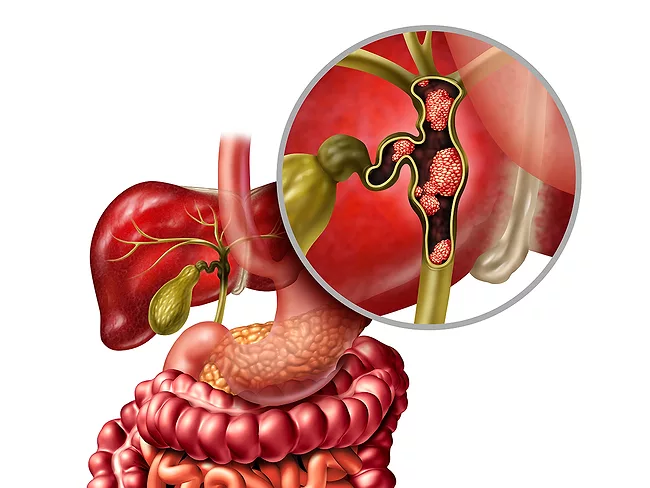
Elevar Therapeutics Inc. will license Relay Therapeutics Inc.’s “NDA-ready” bile duct cancer therapy, lirafugratinib (RLY-4008), through a potential $500 million deal as Elevar, an HLB Co. Ltd. subsidiary, seeks to diversify its oncology portfolio following the U.S. FDA rejection of its liver cancer drug candidate in May.
President-elect Donald Trump’s nomination of Robert F. Kennedy Jr. as U.S. Secretary of Health and Human Services (HHS) grabbed headlines globally, but the political jostling to come will determine whether Kennedy can secure the seat.
The U.S. FDA issued a complete response letter Nov. 15 for Izervay’s (avacincaptad pegol intravitreal solution, ACP) supplemental NDA, which sought to include positive two-year data for the Astellas Pharma Inc. therapy, previously approved for use in a treatment for geographic atrophy secondary to age-related macular degeneration.
President-elect Donald Trump’s nomination of Robert F. Kennedy Jr. as U.S. Secretary of Health and Human Services (HHS) grabbed headlines globally, but the political jostling to come will determine whether Kennedy can secure the seat.
The U.S. FDA’s reissued draft guidance for pre-submission activity addresses the circumstances in which a manufacturer’s questions can be handled informally, but industry has a few misgivings about the draft. One of these is that a preformatted template proposed by the FDA would limit the number of topics that can be handled in an informal manner, which the Advanced Medical Technology Association said might drive more utilization of formal pre-submission programs, an outcome that would thwart the intent of these informal interactions.