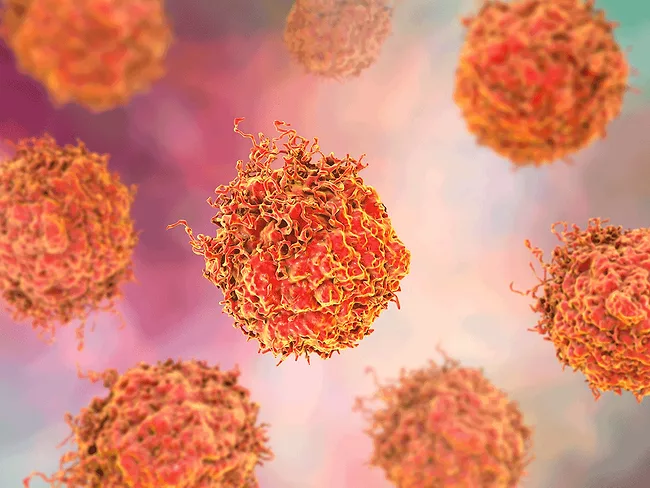
Jiangsu Hengrui Medicine Co. Ltd. reported positive interim data from its phase III trial for SHR-3680, an androgen receptor antagonist, demonstrating that it reduced the risk of disease progression or death in metastatic hormone-sensitive prostate cancer patients with high-volume disease burden.
China’s Center for Drug Evaluation has released the guideline on developing oncology drugs with a clinical value-oriented approach, part of its ongoing efforts to encourage the development of truly innovative oncology drugs in China.
China’s drug regulator granted a first CAR T therapy approval to Fosun Kite Biotechnology Co. Ltd.’s FKC-876. Marketed as Yescarta (axicabtagene ciloleucel) in the U.S. and EU, the approval by the National Medical Production Administration for the CD19-directed CAR T therapy came 3.5 years after the FDA nod.
Hutchmed Ltd.’s savolitinib became the first selective MET inhibitor approved in China to treat patients with non-small-cell lung cancer with MET exon 14 skipping alterations who have progressed following prior systemic therapy or are unable to receive chemotherapy.
A new regulatory agreement could give Indonesia greater access to newer drugs and Chinese companies greater market share in Southeast Asia’s largest market.
Genhouse Bio Co. Ltd. closed a series A financing round to raise more than ¥200 million (US$31 million) to support phase I studies of KRAS inhibitor GH-35 and SHP2 inhibitor GH-21 in China. The startup expects to enroll patients in trials testing the two compounds in the second half of this year, CEO Wang Kuifeng told BioWorld in an exclusive interview.
Heralded as a potential turning point for U.S. innovation in the 21st century, the U.S. Innovation and Competition Act, S. 1260, is a big step closer to becoming law. The Senate voted 68-32 June 8 to pass the sweeping $250 billion bipartisan bill intended to give the U.S. an edge over China when it comes to innovation and investment in several critical industries.
Remegen Ltd.’s HER2-targeted disitamab vedotin became the first domestic antibody-drug conjugate (ADC) to win marketing approval in China, just three months after the company scored its first NDA approval in China for its lupus drug Tai’ai (telitacicept).
Suzhou Zelgen Biopharmaceuticals Co. Ltd. won approval from China’s NMPA for Zepsun (donafenib tosylate) to treat patients with unresectable hepatocellular carcinoma who have not received systemic treatment.
The Guangzhou Sino-Israel Bio-industry Investment Fund (GIBF) has raised more than half of its proposed ¥2 billion (US$313 million) round. “The second fund, GIBF2, will focus on Israeli and European biotechnology companies, which are developing innovative drugs and are in phase II to III clinical trials,” Avner Lushi, the CEO and co-founder of the GIBF, told BioWorld. The Chinese RMB fund is managed by The Guangzhou Elim Biotech Industry Venture Capital Management Company, which is controlled by a group of prominent Israeli professionals.