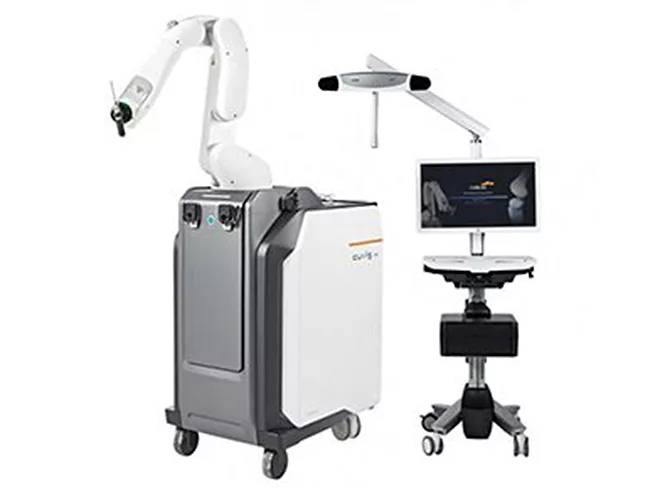
South Korea is making progress towards incorporating digital medical devices into its health care system and facilitating reimbursements, but these efforts may require giving up some entrenched practices. “Digital medical devices” covers a broad range of products, including software and technologies used in therapeutic interventions. They are usually supported by technologies like the Internet of Things (IoT), artificial intelligence (AI), cloud computing, machine learning, sensors and wearables, data analytics and others that can facilitate the shift from traditional health care into the digital world.
Pharmabcine Inc. has received IND approval from the Korean Ministry of Food and Drug Safety (MFDS) to initiate a phase I trial of PMC-403 in Korea in subjects with neovascular (wet) age-related macular degeneration (AMD).
Hanall Biopharma Co. Ltd.’s phase III trial VELOS-3 of tanfanercept did not show effects on the central cornea of the eye or in eye dryness in the treatment of moderate to severe dry eye disease, the primary endpoints. Data from the trial did show improvements in tear production, a secondary endpoint.
Hanall Biopharma Co. Ltd.’s phase III trial VELOS-3 of tanfanercept did not show effects on the central cornea of the eye or in eye dryness in the treatment of moderate to severe dry eye disease, the primary endpoints. Data from the trial did show improvements in tear production, a secondary endpoint.
The venture capital market in South Korea is frozen shut, said presenters during the recent BIO Korea 2023 conference in Seoul, but Korea’s Medical Device Development Fund will help support domestic R&D efforts to the tune of ₩987 billion (US$738 million) over five years.
When it comes to CAR T therapies, South Korea is trailing behind the U.S. and China, but the South Korean government sees cell and gene therapies as a space where the country can draw international investors, speakers said during the Bio Korea 2023 conference in Seoul on May 10.
Keeping patients at the center of clinical trials is how the global pharma industry views decentralized clinical trials, but bureaucratic red tape from multiple agencies is preventing companies from deploying decentralized trials in South Korea, speakers said during the BIO Korea 2023 conference in Seoul on May 11.
Keeping patients at the center of clinical trials is how the global pharma industry views decentralized clinical trials, but bureaucratic red tape from multiple agencies is preventing companies from deploying decentralized trials in South Korea, speakers said during the BIO Korea 2023 conference in Seoul on May 11.
When it comes to CAR T therapies, South Korea is trailing behind the U.S. and China, but the South Korean government sees cell and gene therapies as a space where the country can draw international investors, speakers said during the Bio Korea 2023 conference in Seoul on May 10.
Biorchestra Co. Ltd. reached an exclusive research, option and licensing contract with a U.S.-based company to use its targeting technology platform to develop nucleic acid therapies to treat neurological disorders in a deal valued up to $861 million.