PERTH, Australia – Sydney-based Kazia Therapeutics Ltd. has out-licensed its ovarian cancer drug, Cantrixil (TRX-E-002-1), to Sweden’s Oasmia Pharmaceutical AB in a deal worth up to $46 million.
Oasmia will pay $4 million up front, and development milestones worth up to $42 million and double-digit sales royalties.
CAJICA, Colombia – China’s Anticancer Bioscience, a company focused on developing precision oncology medicines, has raised ¥66 million (US$10.2 million) to expand its small-molecule and natural product screening libraries and move two programs into IND-enabling studies.
DUBLIN – Sanofi SA is paying $1.1 billion up front and up to $350 million more in potential clinical development and regulatory milestones to acquire antibody developer Kymab Ltd. The deal adds to Sanofi’s pipeline first-in-class OX40-ligand blocker KY-1005, which recently hit the primary endpoints of a phase IIa trial in atopic dermatitis, as well as a second clinical-stage asset, KY-1044, an ICOS agonist in development for solid tumors. It also brings Sanofi a new antibody discovery platform, comprising several transgenic mouse strains, which collectively encode all the building blocks required to produce fully human antibodies.
Shares in Chinese drug developer Jacobio Pharmaceuticals Group Co. Ltd. (HK:1167) rose 3% on their first day of trading in Hong Kong. The company, which develops small-molecule drug candidates to modulate enzymes by binding to their allosteric sites, raised HK$1.35 billion (US$174.1 million) in its IPO, pricing 96 million shares at HK$14. Shares closed at HK$14.42 on Dec. 21 after rising as high as HK$16.50.
In what could end up being a deal that tops $1 billion, Merck & Co. Inc. cut a collaboration and license agreement with Janux Therapeutics to find, develop and commercialize T cell engager immunotherapies for cancer patients.
Three months after completing what it said was the largest development and commercialization deal by a Chinese biotech, I-Mab Biopharma Co. Ltd. is moving the monoclonal antibody at the heart of the deal deeper into the clinic.
Three months after completing what it said was the largest development and commercialization deal by a Chinese biotech, I-Mab Biopharma Co. Ltd. is moving the monoclonal antibody at the heart of the deal deeper into the clinic. At the end of November, Chinese regulators gave it a green light to move forward with an open-label, multicenter trial for lemzoparlimab, in combination with azacitidine.
Under the right circumstances, a single mouse can be as good as a group of eight or 10 animals in predicting whether a tumor will respond to a drug, researchers reported at the 2020 EORTC-NCI-AACR (ENA) Molecular Targets meeting on Saturday. The single-animal approach “allows incorporation of more tumor models within the same resource constraints,” Peter Houghton told reporters at a press conference previewing ENA highlights.
Under the right circumstances, a single mouse can be as good as a group of eight or 10 animals in predicting whether a tumor will respond to a drug, researchers reported at the 2020 EORTC-NCI-AACR (ENA) Molecular Targets meeting on Saturday. The single-animal approach “allows incorporation of more tumor models within the same resource constraints,” Peter Houghton told reporters at a press conference previewing ENA highlights.
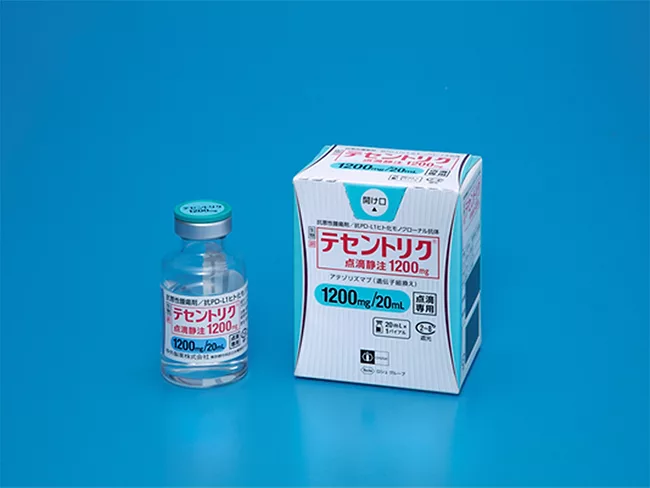
HONG KONG – Tokyo-based Chugai Pharmaceutical Co. Ltd., a subsidiary of Roche Holding AG, has received approval from Japan’s Ministry of Health, Labour and Welfare (MHLW) to add new indication to the list of those treatable with its combination of Tecentriq (atezolizumab) and Avastin (bevacizumab): unresectable hepatocellular carcinoma (HCC). Both medicines originated at Genentech Inc.