The U.S. Senate Finance Committee met for a second time in three days to address the supply of personal protective equipment (PPE) for the COVID-19 pandemic. While a witness said the Defense Production Act (DPA) is no panacea for production, one message emerging from the hearing is that producers need to hear from end users about demand just as much as users need to know about available inventories.
The question of prices for a COVID-19 vaccine have raged in recent days. Gary Disbrow, acting director of the Biomedical Advanced Research and Development Authority (BARDA), told members of a Senate committee that vaccines developed with the help of taxpayer funding will come with an appropriate reduction in price. However, CDC Director Robert Redfield emphasized that the cold-chain distribution system for those products requires the same kind of at-risk investment that is used for vaccine development.
The push for a vaccine for the COVID-19 pandemic may have no parallel in pharmaceutical history, and FDA commissioner Stephen Hahn vowed in a Senate hearing that the agency will rely on the agency’s traditional standards for scientific evidence in premarket reviews of those vaccines.
The Senate Health, Education, Labor and Pensions (HELP) Committee met again June 23 to discuss the federal government response to the COVID-19 pandemic, and one clear signal that emerged from the hearing is that Congress will have to provide annual funding to build a sustainable infrastructure for vaccine development and manufacture if the nation is to deal appropriately with the next pandemic.
The stimulus bill passed by the U.S. Senate March 26 on a vote of 96-0 does more than throw $2.2 trillion into the war against COVID-19. “This is not … a stimulus package. It is emergency relief,” Senate Majority Leader Mitch McConnell (R-Ky.) said on the Senate floor before the vote.
The pressure is rising on the Trump administration to activate the Defense Production Act (DPA) for the COVID-19 outbreak as the Senate yet again reconsiders an economic stimulus package. Sens. Brian Schatz (D-Hawaii) and Chris Murphy (D-Conn.) unveiled the Medical Supply Chain Emergency Act in an effort to force the White House to mandate the production of needed supplies, a bill that is likely to languish until Congress can move on economic relief legislation.
Against the backdrop of the global spread of COVID-19, India announced restrictions Tuesday on the export of 26 active pharmaceutical ingredients (APIs) and formulations of those ingredients.
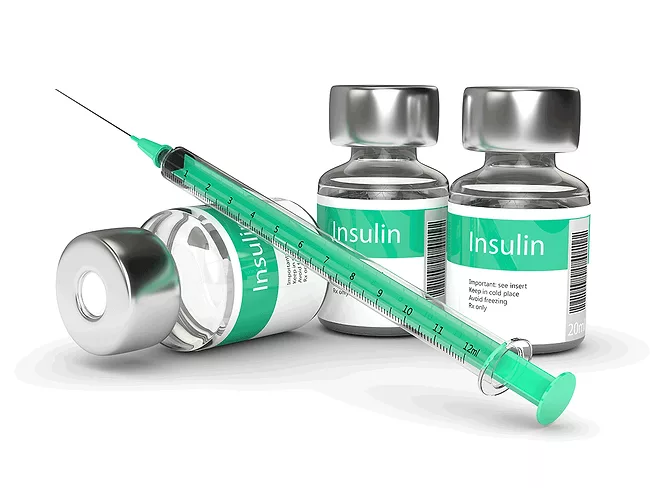
One sentence buried more than 1,500 pages into a fiscal 2020 spending bill the U.S. Senate passed Thursday could open the door to a broader range of insulin biosimilars. The provision, requested by the FDA, expands the definition of a “biological product” to include chemically synthesized polypeptides.
One sentence buried more than 1,500 pages into a fiscal 2020 spending bill the U.S. Senate passed Thursday could open the door to a broader range of insulin biosimilars. The provision, requested by the FDA, expands the definition of a “biological product” to include chemically synthesized polypeptides. The provision, requested by the FDA, expands the definition of a “biological product” to include chemically synthesized polypeptides.
The impending resumption of the 2.3% tax on medical devices has industry actively seeking at least a new suspension. Now, the Tax Foundation, of Washington, has issued a report saying that the tax would cost more than 21,000 Americans their jobs and impose a $1.7 billion hit on the U.S. economy.