The U.S. National Security Commission on Emerging Biotechnology (NSCEB) is urging Congress to reinvest in American biotechnology because “the U.S. is dangerously close to falling behind China,” according to a May 8 report. "The United States is locked in a competition with China that will define the coming century," said NSCEB Chair Senator Todd Young (R-Ind.). “Biotechnology is the next phase in that competition. It is no longer constrained to the realm of scientific achievement. It is now an imperative for national security, economic power and global influence.”
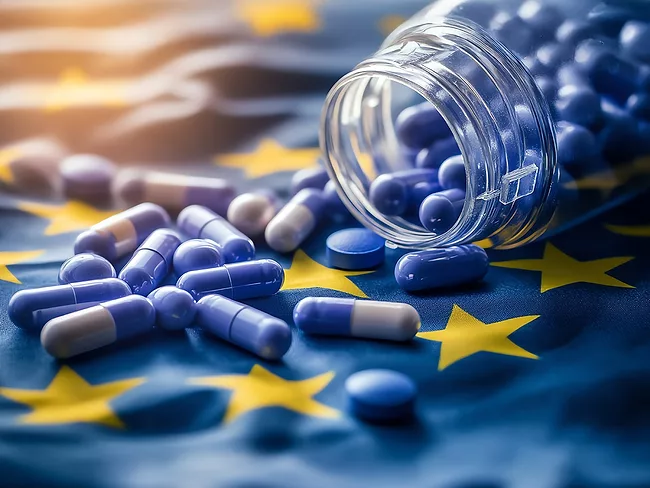
The on-again, off-again U.S. tariffs are off again, at least for now, for more than 75 countries that have reached out to the Trump administration to negotiate instead of retaliating. The 90-day pause will provide some breathing room for the med-tech industry. Pharmaceuticals and active pharmaceutical ingredients were among the few products exempted from the reciprocal tariffs, but that exemption for pharmaceuticals was expected to be short-lived. Meanwhile, pharma CEOs warned European Commission President Ursula von der Leyen April 8 that, unless the EU quickly changes its policy, pharmaceutical research, development and manufacturing is increasingly likely to be directed to the U.S.
Following news of U.S. President Donald Trump’s 10% across-the-board tariffs on Australian exports to the U.S., Australia’s Securities Exchange shed nearly AU$55 billion in losses Thursday morning. Even so, pharmaceuticals have escaped the tariffs for now. In China, Trump’s tariffs are not a big concern for China’s health care because drugs and active pharmaceutical ingredients are exempted from the tariffs. Even if tariffs are imposed in the future, Chinese pharmaceutical companies have already significantly de-risked themselves in recent months by increasing out-licensing models with U.S. partners.
The Trump administration’s declaration of a new round of tariffs did not sit well with trade associations, but the impact of those tariffs may vary somewhat by company. Analysts said the lack of clarity regarding the impact of tariffs makes it difficult to predict the impact on the device and diagnostics industries, leaving investors and customers alike with a large overhang of uncertainty.
Following news of U.S. President Donald Trump’s 10% across-the-board tariffs on Australian exports to the U.S., Australia’s Securities Exchange shed nearly AU$55 billion in losses Thursday morning. Even so, pharmaceuticals have escaped the tariffs for now. In China, Trump’s tariffs are not a big concern for China’s health care because drugs and active pharmaceutical ingredients are exempted from the tariffs. Even if tariffs are imposed in the future, Chinese pharmaceutical companies have already significantly de-risked themselves in recent months by increasing out-licensing models with U.S. partners.
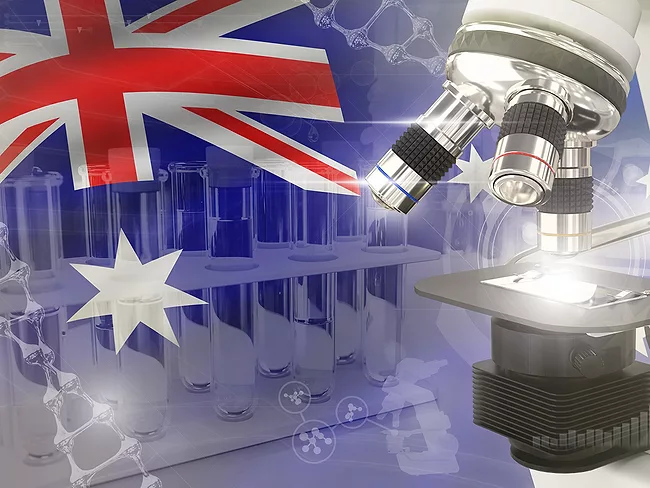
Australia’s top universities are looking more to Asia for research collaborations following threats from the Trump administration to stop funding research at institutions that don’t comply with U.S. narratives.
Australia’s top universities are looking more to Asia for research collaborations following threats from the Trump administration to stop funding research at institutions that don’t comply with U.S. narratives.
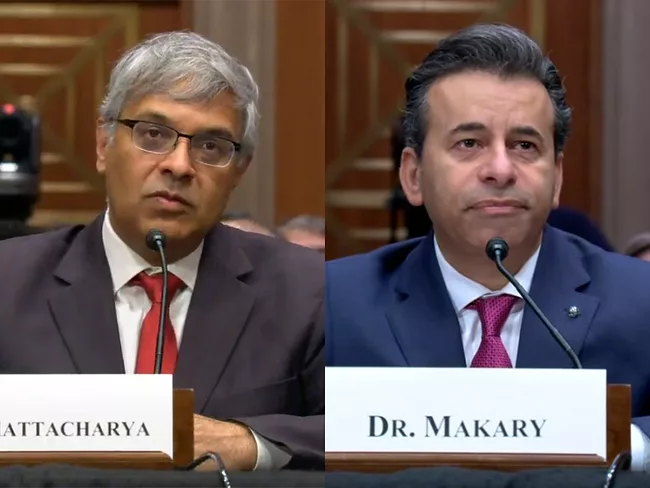
The U.S. Senate has approved the nominations of two key members of the Trump administration, Marty Makary as FDA commissioner and Jay Bhattacharya as NIH director. While these are two of the most critical appointments for the Trump administration, the Senate still has two other important appointments in queue, including the directors of the Centers for Medicare & Medicaid Services and the CDC.
As the flurry of executive orders continues to flow from the White House, leaving in its wake chaos and confusion across the overall health care sector, Tim Opler, managing director of the global health care group at investment firm Stifel, is taking the long view and urging the biopharma sector to continue focusing on innovation.
The scientific establishment has launched a fight back against the Trump administration and the slew of executive orders that threaten to dismantle research funding, with a warning that the next month could be critical for the future of U.S. science.