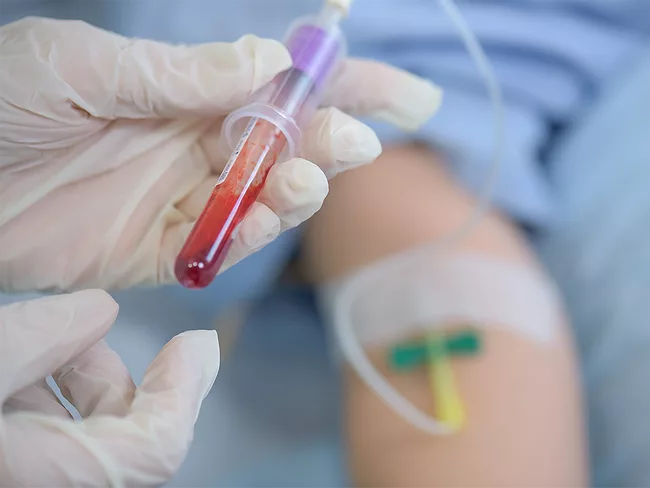
Clinical laboratories and hospitals have routine commercial interactions, and most of those are entirely legal, but this is not always the case. The Office of Inspector General (OIG) at the U.S. Department of Health and Human Services recently decreed that an arrangement in which the hospital pays the lab for blood specimen collection handling services, or a “draw fee,” would not be permissible under the Anti-Kickback Statute (AKS), reinforcing an existing understanding that such activities present a significant legal hazard for operators of clinical labs.
The latest global regulatory news, changes and updates affecting medical devices and technologies, including: Stimulus passes, no Medicare sequestration relief; OIG cites improper claims for polysomnography; Four senators seek feedback on Section 101 hangup.
The latest global regulatory news, changes and updates affecting medical devices and technologies, including: Senate passes counterfeit device destruction bill; MHRA posts device compliance dates for Brexit.
The casual observer may think that physician speaker programs sponsored by makers of drugs and medical devices have drawn less attention from U.S. federal attorneys, but reality has failed to meet that expectation. Mark Gardner, managing attorney of Gardner Law of Stillwater, Minn., said on a Nov. 19 webinar that “there’s a lot coming through right now in terms of settlements,” including a settlement with a drug maker that sent the company into bankruptcy.
The U.S. Department of Veterans Affairs (VA) is looking for more discounts from prescription drug manufacturers, but it likely will be a few years before the ask becomes reality as it will require congressional action and federal rulemaking.
The draft rules for the Stark and Anti-Kickback statutes (AKS) seem to have excluded makers of devices, but Meena Datta of Sidley Austin told BioWorld MedTech that while these agencies have plenty of reasons to rethink that notion, the final rules are unlikely to emerge in 2020 simply because of the complexity of the undertaking. While the final rules may reverse the drafts’ exclusion of makers of devices and diagnostics, device makers were upbeat at the prospect that they could engage in value-based payment arrangements with providers.
The exclusion of makers of devices and drugs from a proposed overhaul of the Anti-Kickback Statute (AKS) probably took many in industry by surprise, but Premier Inc., of Charlotte, N.C., argued that this approach fails to capitalize on an opportunity to hold manufacturers accountable for clinical outcomes in value-based arrangements.
Device makers have been scrambling for space in value-based care arrangements even though the pace of adoption of those arrangements has been somewhat tepid. While device makers are not explicitly included in a proposed overhaul of the Stark and Anti-Kickback Statute (AKS) regulations, providers may soon be more engaged in these arrangements, thus providing device makers with more opportunities even if they are not included in the rewrite of the related regulatory provisions.
Despite a substantial build-up of expectations, the U.S. federal government has excluded device makers from a proposal to provide safe harbors under the anti-kickback statutes for value-based arrangements between providers and medical device makers. The news comes as a blow to device makers, who have argued for some time that value-based arrangements between industry and hospitals could save the taxpayer millions each year in Medicare spending, but the draft rule made note of concern that such arrangements might reduce competition among device makers.
There are a lot of ways to save money without going bankrupt in the process, but health care in the U.S. certainly has not lent itself to that sort of thing. Still, there’s a big opportunity to do just that if one demonstrates an interest in sleep, a subject about which there is little evident interest in Washington, D.C., or in the boardrooms of med tech firms. According to a study by the Rand Corporation, data from five OECD nations suggest that those who sleep...