The U.S. FDA has had a long-standing guidance dealing with drug manufacturing facilities that delay or deny FDA investigators’ attempts to inspect a manufacturing facility, but that policy was exclusive of device manufacturing facilities up until passage of the FDA Reauthorization Act (FDARA) of 2017. FDARA’s expansion of the policy to include device manufacturing facilities has prompted a rewrite of an existing 2014 guidance.
Given all the advances that have been made over the past decade, the U.S. FDA decided to issue a new draft guidance on developing antibacterial drugs to treat pulmonary tuberculosis (TB) rather than finalize the draft it issued in 2013. In releasing the new draft, the agency cited advancements made in nonclinical models, streamlined clinical development programs and growing interest in treatment-shortening combination regimens.
The U.S. FDA has wrapped up its guidance effort to deal with counterfeit devices, an effort that consumed roughly 11 months. That span of time had little discernible effect on the draft, however, as the final guidance seems to leave the draft’s explanation that future FDA guidances may refer to more than one section of the statute in references to the definition of a device.
Reflecting statutory and regulatory requirements added over the past five years, the U.S. FDA is issuing a revised draft question-and-answer (Q&A) guidance on expanded access to investigational drugs. One of several guidances recently issued, the 40-page draft incorporates requirements from the 21st Century Cures Act and the 2017 FDA Reauthorization Act that took effect after the current final Q&A guidance was updated in 2017. It also answers new questions sponsors have raised over the past few years.
The U.S. FDA’s finalized guidance for clinical decision support (CDS) software was not an entirely isolated policy change inasmuch as there were several other guidances that were edited and reissued two days after the CDS final was published. One of these is the guidance for device software functions and mobile medical apps, which now encodes a transparency requirement as seen in the CDS guidance, a change that may represent a hazard for the unwary medical software developer.
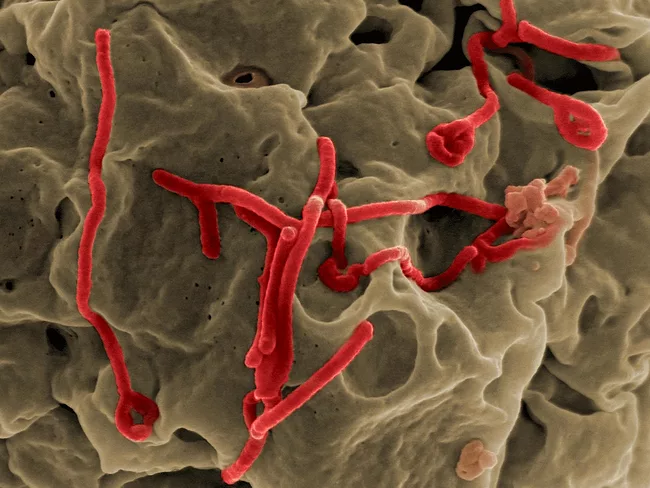
Regeneron Pharmaceuticals Inc.’s Inmazeb and Ridgeback Biotherapeutics LP’s Ebanga earned a ringing endorsement from the World Health Organization (WHO) in its first ever guideline on Ebola therapies. In releasing the guideline Aug. 19, WHO officials celebrated the fact that Ebola is no longer “a near certain killer” – provided treatment starts as soon as possible following diagnosis.
It was bound to happen someday. With more and more prescription drugs coming to the U.S. market, the FDA is running out of unique combinations for the 10-digit national drug code given to each product.
The U.S. FDA’s guidance to COVID-19 vaccine manufacturers, announced June 30, that they should develop modified bivalent boosters that include an omicron BA.4/5 spike protein component marks the beginning of a new era in the pandemic in which manufacturers are no longer driving the development of the vaccines.
The U.S. FDA had previously recommended that power morcellation be conducted only with tissue containment systems and has released a draft guidance for non-clinical testing for these containment systems. While the demands for non-clinical testing are rigorous, the draft also said that clinical testing is likely to be required as well, raising the question of why the agency failed to include clinical testing recommendations in the same draft guidance.
Facing the global threat of antimicrobial resistance (AMR), the EMA issued a final revised guideline on the evaluation of new antibiotics. In accordance with an agreement with the U.S. FDA and Japan’s Pharmaceuticals and Medical Devices Agency, the EMA’s guideline aligns as much as possible with the data requirements of those regulators so drug developers can design clinical trials that meet the evidence needs of all three agencies, the EMA said.