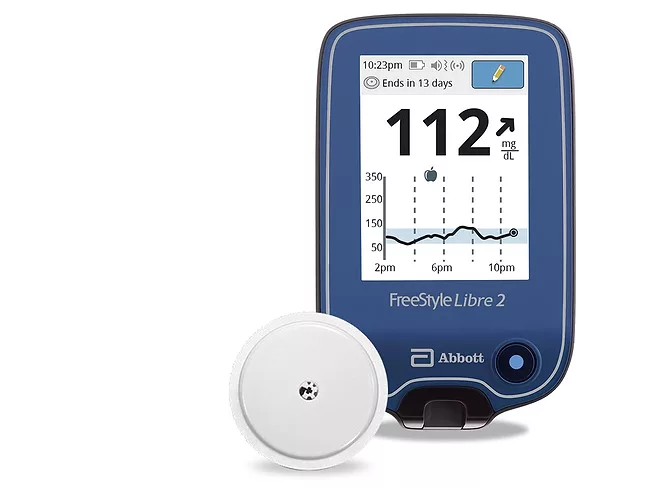
Diversified health care player Abbott Laboratories did better than expected when it reported second quarter earnings. The Abbott Park, Ill.-based company is one of the earliest to start reporting for this period, which in the U.S. was characterized by an initial heavy impact from the ongoing pandemic.
The U.S. FDA has a number of draft guidances in queue thanks to the COVID-19 pandemic, but released two final guidances in mid-July, including the guidance for clinical investigations for prostate tissue ablation devices. Stakeholders pressed the agency to avoid a fixed period of follow-up for such studies due to variability in the elapsed time for device-related adverse events, but the agency stuck to the draft’s mandate for at least a year of follow-up.
One simple four-letter word can make a world of difference in how quickly biosimilars and interchangeables bring full competition to the U.S. marketplace of biologics, a handful of companies and industry groups told the FDA in comments on a draft guidance concerning the labeling of follow-ons that are licensed for fewer indications than the reference biologic.
It took less than a week from the publication of Science 37’s whitepaper on March 12 encouraging virtual clinical trials to the FDA’s decision to endorse the idea, tailored to address the COVID-19 pandemic.
It took less than a week from the publication of Science 37’s whitepaper on March 12 encouraging virtual clinical trials to the FDA’s decision to endorse the idea, tailored to address the COVID-19 pandemic.
The U.S. FDA has posted an immediately-in-effect policy document regarding clinical laboratory development of diagnostics for the pathogen responsible for COVID-19 disease. The agency said the policy allows a lab to use any diagnostic before the FDA has completed an exhaustive review of the test.
The U.S. FDA has finalized two guidances dealing with class II tests that are subject to Medicare regulations, including the so-called dual CLIA waiver guidance. The agency said it will hold an April 14, 2020, webinar to go over both guidances, allocating 90 minutes to deal with questions about the two documents.
With four gene therapies already approved and more than 900 in development, the FDA has finalized six guidances and issued a draft guidance to clarify the rules of the road for developing and manufacturing the treatments.
The U.S. FDA has engaged in an overhaul of its software policies in the wake of the mandates spelled out by the 21st Century Cures Act. However, those policies are still a work in progress, as a recent FDA webinar made clear. The FDA won’t have long to put those policies into place as the U.S. House of Representatives is considering a follow-on to the Cures Act, dubbed Cures 2.0, which will impose yet more changes on the agency’s approach to software regulation.
The U.S. FDA draft guidance for appeals for denial of certificates for export indicated that the scope was limited to devices exported from physical locations in the U.S. This provision appears in the final guidance as well – despite arguments that it flies against the text of the Food and Drug Administration Reauthorization Act of 2017 (FDARA)