As part of its real-world evidence (RWE) program, the U.S. FDA is issuing a draft guidance on using electronic health records and medical claims data in clinical trials to support a drug’s safety and effectiveness.
The FDA’s draft guidance for the form and content of unique device identifiers (UDIs) may have lacked the controversy of some other policies, but the 2016 draft languished for five years even though only 10 comments appear in the docket. While the agency made some concessions regarding substantial edits of the draft, the final retains a need for data delimiters in the definition of “easily readable” plain text in UDIs, despite industry’s argument that this was not required in the agency’s UDI rulemaking.
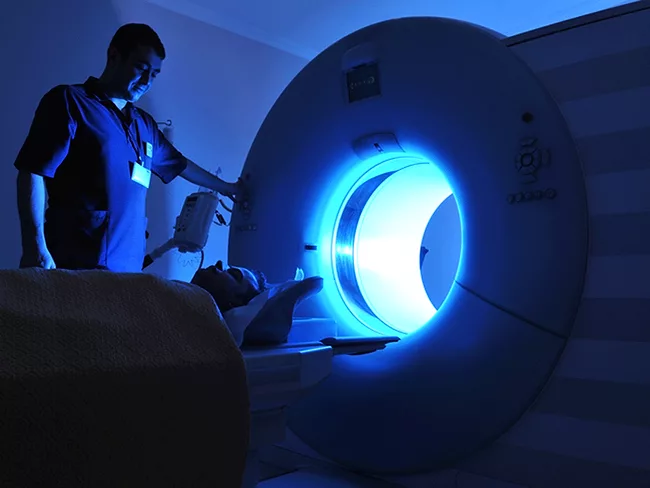
The FDA’s device center recently updated its guidance for testing and labeling of devices for compatibility with magnetic resonance (MR) fields. Some items, such as orthopedic plates and screws, might not have been evaluated for compatibility up to now. The FDA’s Sunder Rajan said that existing 510(k) and PMA devices are grandfathered in under the legacy policy, but that all implants will have to be evaluated for MRI compatibility going forward, even devices not previously subject to testing.
Preparing for the full implementation of the 2013 Drug Supply Chain Security Act (DSCSA), the FDA finalized two guidances June 3 and released two draft guidances to help supply chain partners comply with the law’s requirements, including those for enhanced drug distribution security at the package level that go into effect in November 2023.
With the global COVID-19 pandemic and variants raising expectations about the need for booster shots, more companies are jumping into the vaccine space. But unless those sponsors have been engaging “in an ongoing manner” with the U.S. FDA on developing the manufacturing process and clinical trial program for their vaccine candidates, their emergency use authorization (EUA) requests may be denied, according to a new FDA guidance on EUAs for COVID-19 vaccines.
The impact of MRI procedures on medical devices has been the subject of regulatory concern for better than a decade, but the FDA needed until 2019 to craft a guidance that deals with testing and labeling for such considerations. The final guidance offers several tweaks and adjustments to the 2019 draft, but ignores several requests made by industry, including a request that the final not rely on a clinically relevant worst-case scenario when evaluating the potential for device heating.
To accelerate drug development targeting the pandemic, the FDA issued final guidance May 17 on master protocols for drugs intended to prevent or treat COVID-19 infections. Although the guidance is geared toward developing COVID-19 drugs, the FDA said it expects master protocols to continue to play an important role in addressing the public health needs in future pandemics.
The COVID-19 pandemic’s direct and indirect toll on the human condition is beyond calculation, but the effect on FDA regulatory activity is easier to assess. The problem for device makers is that a number of draft and final guidances are stuck in a pandemic-driven regulatory limbo, which seemingly guarantees that some compliance and product development efforts will run afoul of the agency’s expectations and potentially delay a product’s market access.
The U.S. FDA’s safer technologies program, or STeP, is designed in part as a complement to the breakthrough devices program, but the September 2019 draft guidance lent little clarity as to what might constitute a significantly safer device. The Jan. 5, 2021, final guidance does little to clarify that question, however.
Edwards Lifesciences Corp. held its 2020 virtual investor conference Dec. 10, providing details on its 2021 financial outlook. The company is projecting global mid-teen sales growth totaling $4.9 billion to $5.3 billion and a return to double-digit sales growth in its transcatheter aortic valve replacement (TAVR) business. Earnings per share (EPS) guidance for the coming year is $2-2.20, below the consensus estimate of $2.21, due to investments in R&D and sales to fuel future growth.