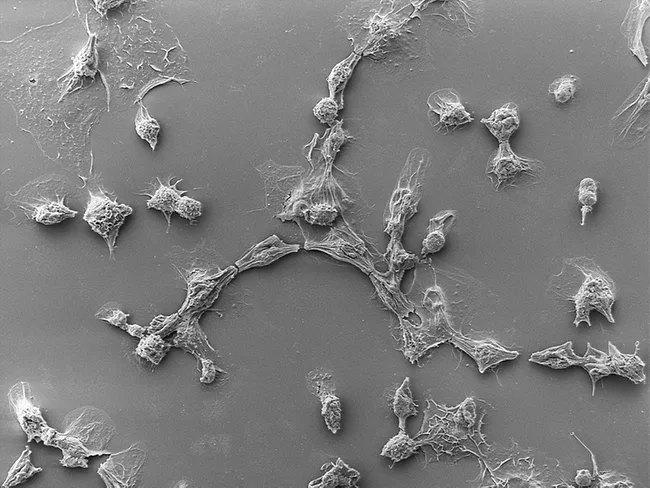
Current therapies based on immune checkpoint blockade are effective and offer a valid option for treatment, but many patients develop either primary or acquired resistance to treatment. Previous research has shown that the deletion of protein tyrosine phosphatases PTPN2 and PTPN1 results in an increase in the sensitization of tumor cells and the promotion of antitumor immunity.
The Broad Institute of MIT and Harvard has announced a new research alliance with Novo Nordisk A/S in diabetes and cardiometabolic diseases. The collaboration will focus on advancing three programs over the next 3 years.
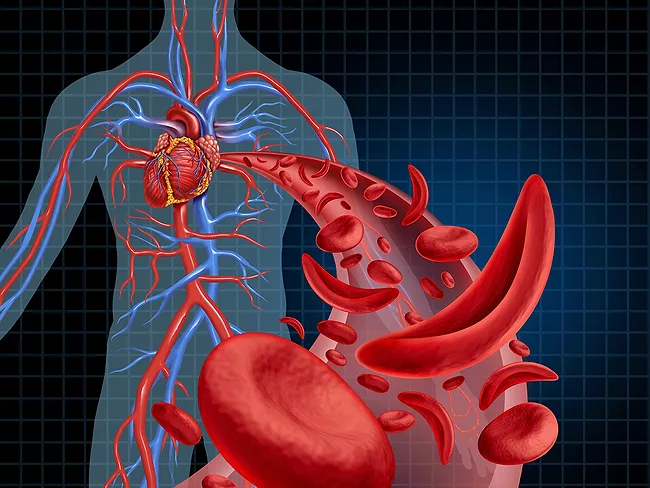
A proof of concept of ex vivo genetic modification of cells from patients and their transplantation in mice has demonstrated, for the first time, the therapeutic possibilities of prime editing in sickle cell disease (SCD).
A base-by-base comparison of the genome sequences of 240 species of mammals has pinpointed sites in the human genome where mutations are likely to cause disease. The sites are all perfectly conserved across the mammalian family tree over 100 million years of evolution, indicating they underlie fundamental biological processes that do not tolerate diversity or change very well.
A base-by-base comparison of the genome sequences of 240 species of mammals has pinpointed sites in the human genome where mutations are likely to cause disease. The sites are all perfectly conserved across the mammalian family tree over 100 million years of evolution, indicating they underlie fundamental biological processes that do not tolerate diversity or change very well.
A base-by-base comparison of the genome sequences of 240 species of mammals has pinpointed sites in the human genome where mutations are likely to cause disease. The sites are all perfectly conserved across the mammalian family tree over 100 million years of evolution, indicating they underlie fundamental biological processes that do not tolerate diversity or change very well.
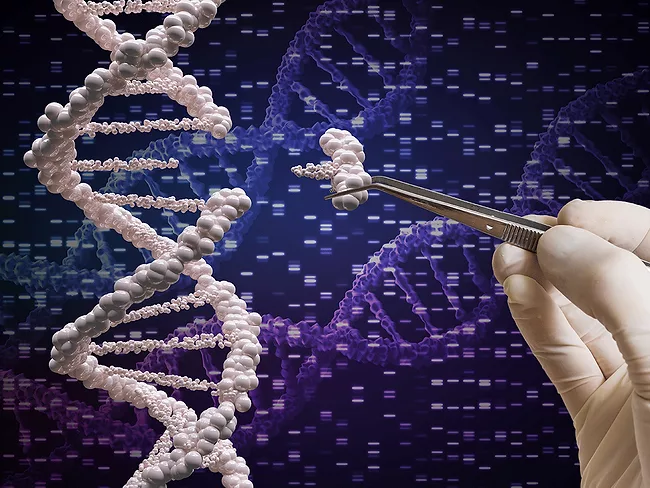
The editing in human cells and in mice of the survival motor neuron 1 gene (SMN1) restored the levels of SMN protein that the mutation of the SMN2 gene produces in spinal muscular atrophy. Scientists from the Broad Institute in Boston and The Ohio State University reversed the mutation using the base editing technique.
The editing in human cells and in mice of the survival motor neuron 1 gene (SMN1) restored the levels of SMN protein that the mutation of the SMN2 gene produces in spinal muscular atrophy (SMA). Scientists from the Broad Institute in Boston and The Ohio State University reversed the mutation using the base editing technique. “This base editing approach to treating SMA should be applicable to all SMA patients, regardless of the specific mutation that caused their SMN1 loss,” the lead author David Liu, a professor and director of the Merkin Institute of Transformative Technologies in Healthcare at the Broad Institute of Harvard and MIT, told BioWorld.
A research team based at MIT and Harvard has engineered a bacterial injection system to precisely deliver proteins to human cells. This work, published online March 29, 2023, in Nature, is important as while more and more molecular therapies are being developed, off-target effects are always a concern and precise targeting of cells and tissues can still be a challenge.