The U.S. Patent and Trademark Office (PTO) has resurrected a previous policy that requires parties to a proceeding at the Patent Trial and Appeals Board to disclose all the parties of interest in the proceeding. PTO said this shift is driven in part by national security considerations, but the reversal forces participants in PTAB proceedings to disclose the identity of any affiliates that may have an interest in the outcome lest the petition for an administrative hearing be denied.
The U.S. Patent and Trademark Office (PTO) has proposed to limit the use of administrative challenges to patents when the patent in dispute is already the subject of litigation in district court, a change that many in the life sciences might see as an improvement over the current hyper-litigious environment.
The U.S. Patent and Trademark Office has reacted to the Federal Circuit’s decision in Shockwave v. CLSI with a policy memo that draws tighter lines around the use of applicant admitted prior art in attempts to invalidate a patent during inter partes reviews.
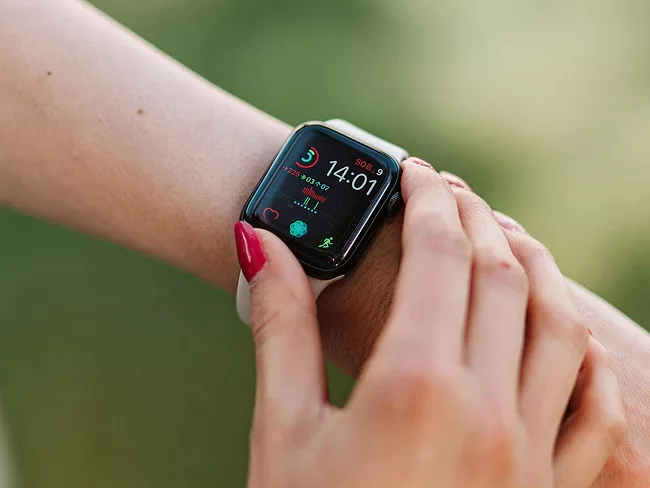
Some Apple Watch users will be able to monitor their blood oxygen levels through their iPhone, thanks to a software update the company planned to issue Aug. 14. The Cupertino, Calif.-based company pulled the feature from its watches in the U.S. in 2024, following a patent dispute with Masimo Corp., of Irvine, Calif., that threatened an import ban.
Absent extraordinary circumstances, the Patent Trial and Appeal Board “should never cancel claims it has not determined to be unpatentable as a sanction” for misconduct during a board proceeding, according to the acting director of the U.S. Patent and Trademark Office (USPTO).
Few observers think of CPAP machines as common fare where the med-tech patent wars are concerned, but Resmed Corp. recently came away with a win in litigation that resulted in the nullification of the first 20 claims of a CPAP patent held by Cleveland Medical Inc.
The widespread need for cartilage repair may have bred optimism on the part of Spinalcyte LLC when it filed a related patent in 2014, but the Patent Trial and Appeal Board has affirmed a rejection of the patent due to lack of enablement, an object lesson regarding the need for clarity in patent applications.
The U.S. Patent and Trademark Office has reversed a 2022 agency memorandum on discretionary denials of patent procedures, such as inter partes reviews.
The U.S. Congress is examining legislative language to address what some believe is a deteriorating state of jurisprudence for injunction when infringement is found in patent litigation.
Even patent attorneys aren’t particularly collectively excited about standard essential patents, but that hasn’t stopped the U.S. Patent and Trademark Office from signing a memorandum of understanding with the U.K. Intellectual Property Office to collaborate on policies related to these patents.