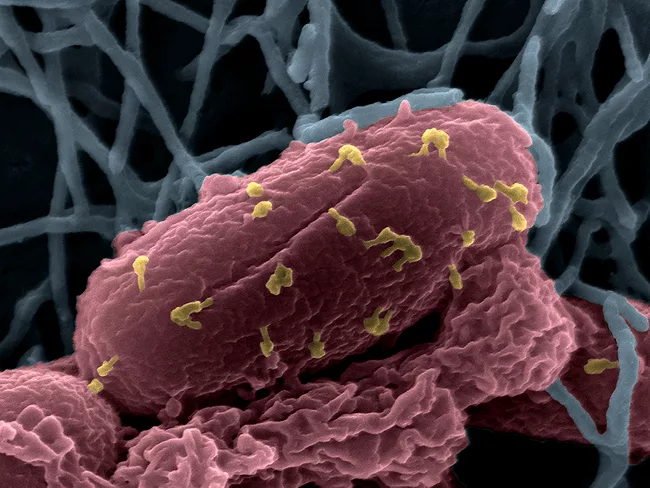
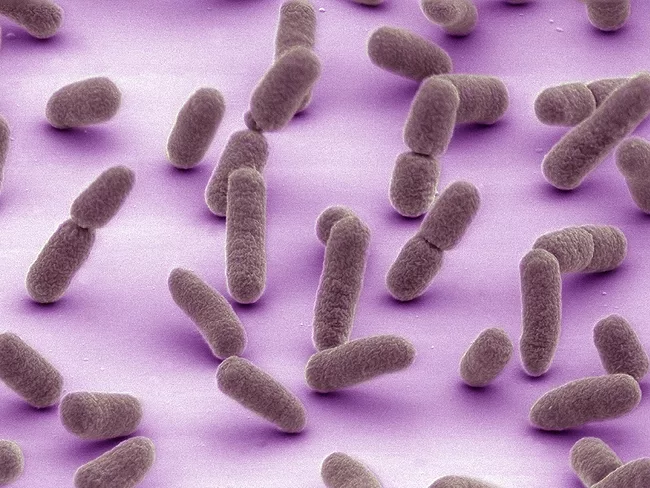
Benzamide compounds acting as UDP-2,3-diacylglucosamine hydrolase (LpxH) (bacterial) inhibitors have been reported in an F. Hoffmann-La Roche Ltd. patent to be useful for the treatment of gram-negative bacterial infections, particularly Klebsiella pneumoniae and Escherichia coli infections.
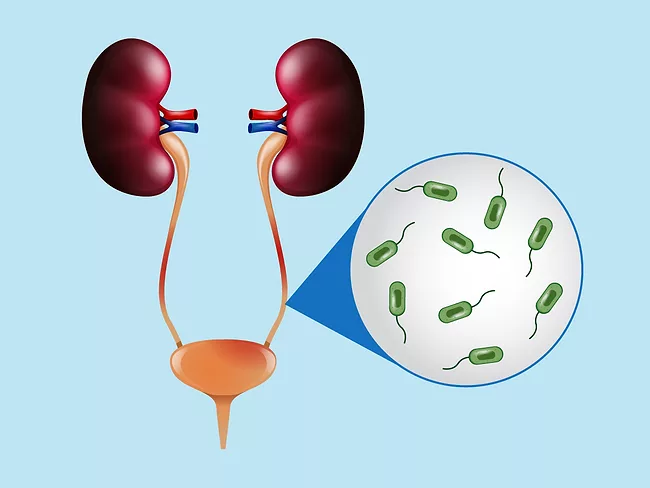
Intron Biotechnology Inc. has entered into an official contract with the U.S. Army Combat Capabilities Development Command (DEVCOM) to develop bacteriophages for combating uropathogenic Escherichia coli (UPEC) infections. DEVCOM, a subcommand of the U.S. Army Futures Command, has been working on a project to develop products that address the risk of urinary tract infections (UTIs) among soldiers exposed to austere environments, such as when deployed or undergoing training.
A recent F. Hoffmann-La Roche Ltd. and Hoffmann-La Roche Inc. patent describes compounds reported to be useful for the treatment of Escherichia coli infection.
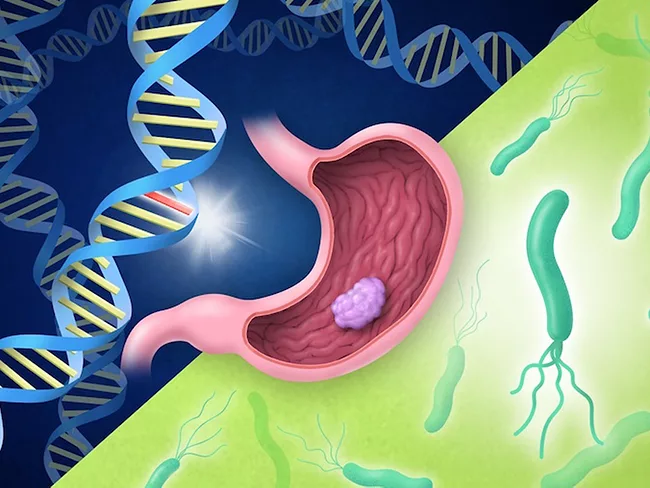
Helicobacter pylori infection and germline genetic variants interacted with each other to affect the risk of gastric cancer in a study comparing more than 11,000 patients with stomach cancer and 44,000 people without cancer. Researchers from the RIKEN Center for Integrative Medical Sciences (IMS) published those findings in the March 30, 2023, issue of the New England Journal of Medicine.
A team of researchers from Harvard University has developed a suite of Escherichia coli Nissle 1917 (EcN), named PRObiotic type 3 secretion E. coli therapeutic (PROT3ECT), engineered to secrete a TNF-α nanobody directly into the gut to reduce inflammation in a chemically induced inflammatory bowel disease (IBD) mouse model.
Currently, most patients with urinary tract infections (UTIs) require long-term antibiotic treatment, which poses risks of resistance development and alters the patients' microbiota. Therefore, vaccines that raise safe, effective and long-lasting immune responses across populations for UTI prevention constitute a critical medical need. However, developing such vaccination strategies remains challenging because the responses need to be specific to a broad range of UTI-causing bacteria and include both blood and mucosal responses in the urogenital tract.
COVID-19 is the unwanted gift that keeps on giving. The U.S. CDC unwrapped one of those “presents” in a July 12 report that showed the threat of antimicrobial-resistant (AMR) infections has worsened — with resistant hospital-onset infections and deaths in the U.S. each increasing at least 15% during the first year of the pandemic.
Scientists, despite their best efforts, have not been able to identify a way to inhibit the oncoprotein Myc. Uropathogenic Escherichia coli, though, has apparently figured it out. In the Feb. 11, 2021, online issue of Nature Biotechnology, researchers reported that an UPEC-produced protease depleted cellular Myc and improved survival in mouse models of bladder and colon cancer.