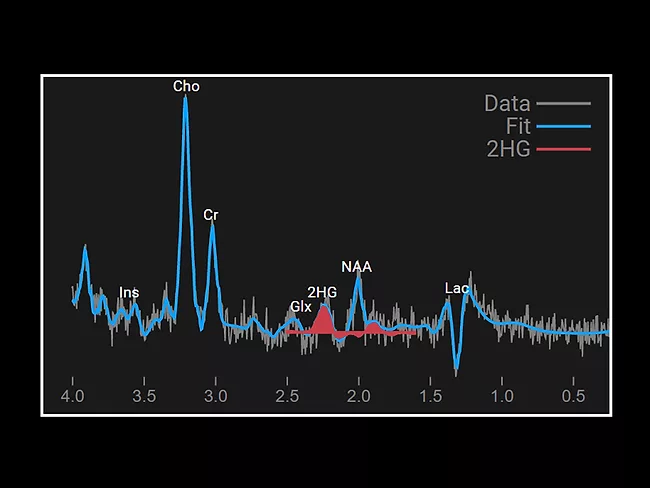
The U.S. FDA granted breakthrough device designation to startup Brainspec Inc. for its non-invasive virtual brain biopsy system. The company uses standard magnetic resonance imaging equipment to measure brain chemistry rather than to create images, providing a more detailed view of pathophysiology involved in a range of neurological disorders.
The U.S. FDA has identified a recall of Medtronic cardiac electrophysiology devices as a class I event due to the risk of an inadequate delivery of energy to restore normal rhythm, a recall that affects more than 87,700 units in total. Dublin-based Medtronic plc., said, however, that it is developing a software patch that will remedy the issue, a fix the company said will emerge in late 2022.
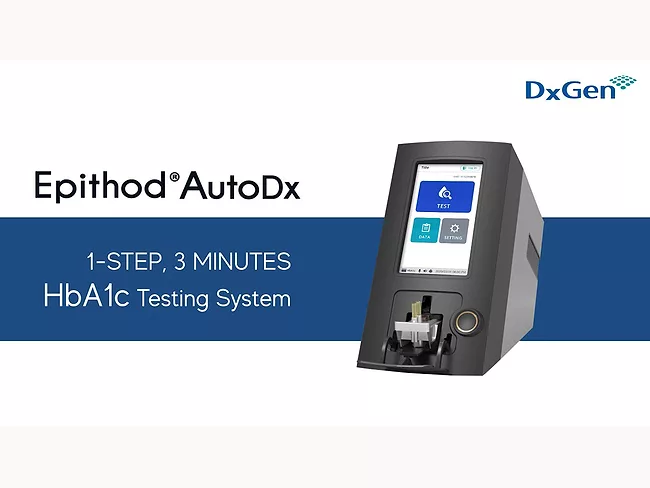
Precision Diabetes Inc. (PDI) entered an exclusive agreement with Dxgen Corp. to introduce and distribute the Epithod Autodx point-of-care analyzer and multiple diabetes tests that run on the system within the U.S. The first available tests will include hemoglobin A1c, C-reactive protein and albumin, with the portfolio of tests expected to grow quickly.
The U.S. FDA published a draft guidance for hydrogen peroxide-based contact lens care products (HPCPs), which up until 1997 were seen as class III products requiring a PMA. However, this draft is a response to an increasing number of adverse events associated with these products, a problem that was the subject of a 2017 FDA advisory hearing.
The doctrine of patent assignor estoppel is not found in the U.S. statute, but that omission has led to only limited litigation over the doctrine despite the notoriety of the case of Hologic v. Minerva. Nonetheless, the Federal Circuit reinforced the understanding that an assigned patent is still in force when the disputed claim is not seen has having been materially broadened by the time a patent has been granted in its final form, thus closing one of the principal contractual questions surrounding patents that are handed off from one device maker to another.
Moximed Inc. has received $40 million in series C financing to pursue regulatory approval for its implantable shock absorber (ISA) for knee osteoarthritis (OA). Fremont, Calif.-based Moximed secured backing from investors including Advent Life Sciences, New Enterprise Associates, Future Fund, Vertex Healthcare and Runway Growth Capital to advance the Misha knee system. The company is touting the technology as the world’s first implantable shock absorber for OA.
After five years, the U.S. FDA finally released a final rule for over-the-counter hearing aids along with an associated guidance, a development that was stipulated by the FDA Reauthorization Act (FDARA) of 2017. Xavier Becerra, Secretary of the U.S. Department of Health and Human Services, was among several HHS officials who appeared on the Aug. 16 briefing to tout the rule, each of which promised that the rule would spark competition that would in turn take a significant bite out of the cost of acquiring a hearing aid.
The field of artificial intelligence (AI) is beginning to mature, but this is also becoming a competitive space, with several governmental entities declaring their intent to develop policies to maintain national competitiveness. The U.S. has now entered the fray with a request for information by the International Trade Administration seeking information on policies that might foster the export of AI products developed by U.S. companies, but also on the policies that might enable small and medium enterprises to remain competitive.
After five years, the U.S. FDA has finally released a final rule for over-the-counter hearing aids along with an associated guidance, a development that was stipulated by the FDA Reauthorization Act (FDARA) of 2017. Xavier Becerra, Secretary of the U.S. Department of Health and Human Services, was among several HHS officials who appeared on the Aug. 16 briefing to tout the rule, each of which promised that the rule would spark competition that would in turn take a significant bite out of the cost of acquiring a hearing aid.
It is one thing to watch a U.S. FDA inspection fail to meet with the agency’s expectations regarding compliance with the Quality System Regulation, but it’s another to have four opportunities to respond to the inspectional findings and still end up with a warning letter.