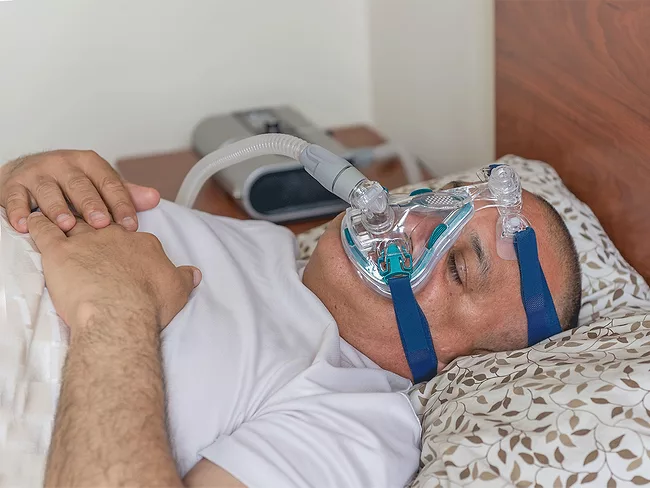
Device servicing by third parties has been topical of late, although not in the context of continuous positive airway pressure (CPAP) systems. That seems likely to change thanks to the ongoing recall of CPAP machines made by Philips Respironics Inc., of Murrysville, Pa., which was driven by reports of degradation of foam used in the device for insulation.
The U.S. FDA reported a proposed down-classification for two device types intended for detection of melanoma, a move that would ease the premarket path for similar devices. The agency noted that it has received only one PMA application each for optical diagnostic devices and electrical impedance spectrometers, which suggests the agency sees these device types as suffering for want of interest on the part of device makers.
The COVID-19 pandemic completely rewrote the script for government responses to communicable diseases, and thus the Biden administration is wasting no time reacting to the emergence of the monkeypox virus. The administration announced June 28 that it has developed a plan to allocate the distribution of large volumes of vaccines, but the CDC has shipped tests to five major commercial lab companies, thus putting the U.S. on a strong footing to respond to the outbreak.
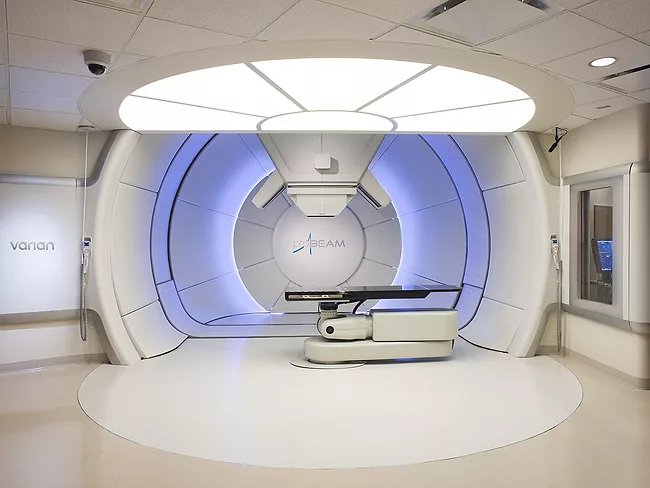
Varian Medical Systems Inc. received an investigational device exemption (IDE) from the U.S. FDA to start a clinical trial evaluating its new radiation therapy. The experimental treatment, named Flash, delivers radiation at ultra-high dose rates, typically in less than one second. The Siemens Healthineers AG company said the therapy is capable of being over 100 times faster than conventional radiation therapy.
The U.S. FDA posted an updated safety communication regarding pulse oximetry accuracy with an eye toward those with darker skin pigmentation, a problem that has surfaced in the medical literature. The FDA said it intends to convene an advisory committee hearing later this year, suggesting that more strict performance standards for pulse oximeters are on the way.
The U.S. Department of Justice (DOJ) reported an indictment of a physician in Paducah, Kentucky for causing the filing of false claims to the Medicare program with the help of telehealth. The physician is liable for only $560,000 in penalties, but the announcement again underscores the department’s crackdown on telehealth fraud, regardless of the dollar value of the fraud.
Davita Inc., lost a U.S. Supreme Court ruling regarding limits to the private payer coverage for outpatient dialysis services despite, a development that took a double-digit bite out of Davita’s shares. However, shares of competitor Fresenius also took a hit, suggesting that the market sees the decision as a major setback for both companies.
Medtronic plc has received U.S. FDA 510(k) clearance and breakthrough device designation for its Ligapass 2.0 ligament augmentation system in spine surgery. The surgical treatment is designed to reduce the reoperation rate for proximal junctional kyphosis (PJK), a complication of adult spinal deformity surgery which disrupts spinal ligaments. Ligament augmentation provides strength to the upper instrumented vertebra and adjacent segments while also reducing junctional stress at those levels.
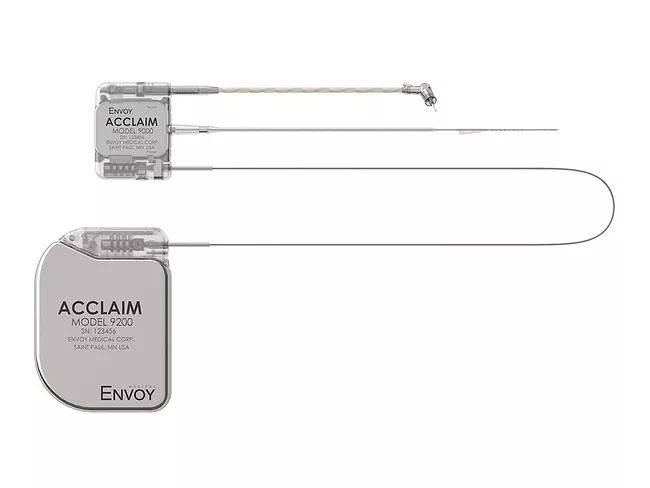
The U.S. FDA gave Envoy Medical Corp. the thumbs up to conduct an early feasibility study of its Acclaim cochlear implant. The fully implanted system, which earned a breakthrough device designation from the FDA, aims to be the first cochlear implant to address hearing loss without the use of any external components.
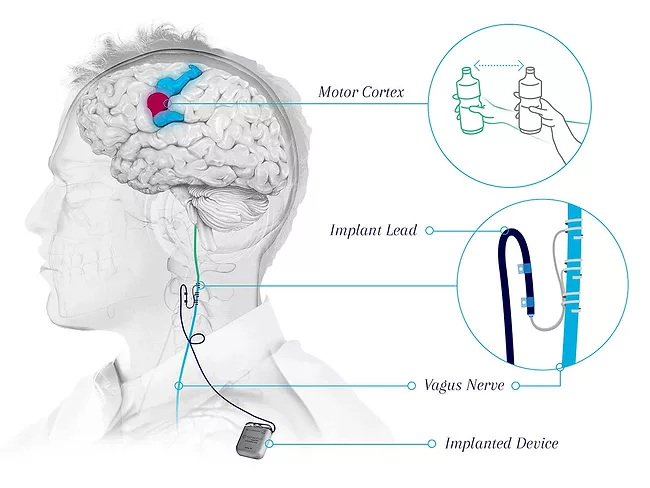
Microtransponder Inc. raked in $53 million in an oversubscribed series E round that exceeded its best previous fundraising by nearly 500% and brought the company’s total funds raised to date to $93 million. The new money will be used to commercialize the Vivistim paired VNS system, which received premarket approval in 2021 as what the FDA called the “first stroke rehabilitation option using vagus nerve stimulation.”