AI drug discovery specialist Insilico Medicine Inc. has landed a multiyear research deal with Sanofi SA to develop candidates for up to six new targets in undisclosed indications. The collaboration included $21.5 million up front for Insilico, and as much as $1.2 billion in additional payments from Sanofi if key research, development and sales milestones are met. The agreement also includes mid-single to up to low double-digit tiered royalties for any products developed.
Innovative medical devices are the norm for reviewers at the U.S. FDA’s Center for Devices and Radiological Health (CDRH), but regulatory innovation is a tougher climb. In response, CDRH director Jeff Shuren said at this year’s Medtech Conference in Boston that the agency is eyeing a voluntary alternative pathway (VAP) for novel digital technologies, although this concept is unlikely to see the regulatory light of day other than as a pilot program at any point in the next year or two, given the need for statutory authorization.
Endpoint solutions company Clario Inc. has published a roadmap on how artificial intelligence (AI) can be used to improve the experience of patients participating in decentralized clinical trials (DCTs).
Synaptive Medical Inc. and Panaxium SAS have inked a deal to bring high-resolution, real-time, artificial intelligence (AI)-assisted cortical mapping to neurosurgeons. Under the collaboration, Synaptive’s Modus V robotic exoscope technology will be integrated with Panaxium’s ultra-flexible iontronic electrocorticography (ECoG) platform.
In an expansion that will surely have other companies wondering why they didn’t move on the opportunity first, Icad Inc. partnered with Solis Mammography to identify cardiovascular risk based on incidental information commonly found in mammograms—and generally ignored.
Rsip Vision Ltd. has debuted a new tool for making 3D reconstructions of the ureter. The vendor-neutral tool, which uses artificial intelligence (AI) and deep-learning algorithms to make 3D reconstructions, is available to third-party medical device companies using three-arm imaging and viewer solutions.
The European Commission (EC) has proposed updates to rules regarding product liability, one of which is an update to strict liability policy for pharmaceuticals (and presumably medical devices) that would expand the term of liability to 15 years. The proposal for artificial intelligence (AI) liability would up the ante on transparency into these algorithms, and the combination of the two novel policies would suggest that life science companies may face a more uniform, but potentially more hazardous legal landscape in the EU should these proposals be adopted.
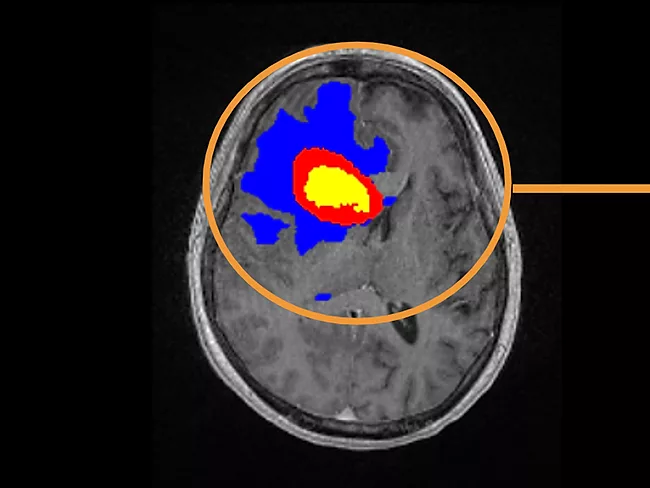
Brain MRIs can reveal a great deal about brain tumors, but tracking response to treatment, clearly delineating edges and identifying other critical information remain problematic. Neosoma Inc.’s recently granted FDA 510(k) clearance may simplify treatment of the most challenging of these tumors, high-grade gliomas. The Neosoma High-Grade Glioma (HGG) neuro-oncology software device uses artificial intelligence to provide detailed measurements and 3D analysis that enable greater precision in procedures and better monitoring.
The Biden administration has released a blueprint for an artificial intelligence bill of rights, which is accompanied by an acknowledgement that these algorithms can be crucial in guiding treatment of cancer patients.