AI and advanced biotechnology are reshaping South Korea’s med-tech sector, but great technology alone is not enough to build a successful medical device company, speakers said at MedTech Innovator’s Medtech Spotlight: New Impact Korea 2026.
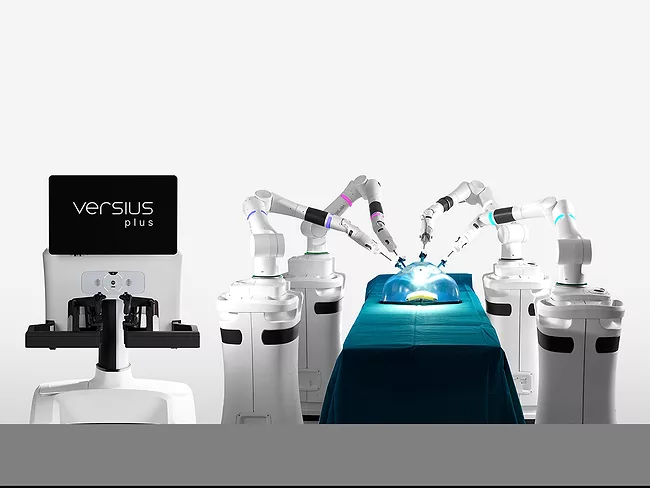
CMR Surgical Ltd.’s participation in Nvidia’s Physical AI health care robotics initiative is expected to accelerate the development of the next generation of intelligent surgical robotic systems powered by data, simulation and AI. As demand for minimally invasive procedures grows, more companies are entering the surgical robotics space.
AI and advanced biotechnology are reshaping South Korea’s med-tech sector, but great technology alone is not enough to build a successful medical device company, speakers said at MedTech Innovator’s Medtech Spotlight: New Impact Korea 2026.
As AI continues to storm into global life, biopharma companies are figuring out ways to incorporate it into their operations, all with the goal of bringing better therapies to patients faster. At Pharma USA, a Reuters Events meeting in Philadelphia March 16-17, numerous AI companies presented their offerings to attendees, driving interest and partnerships.
A project that started as a bioreactor to assist astronauts in deep space to keep medications safe in a microgravity environment could help pharma companies model how drugs behave in the human body.
In a deal worth up to $1.8 billion for oral macrocyclic peptide developer Unnatural Products Inc., Novartis AG has signed a research collaboration and licensing agreement for an undisclosed program.
Med-tech companies with an AI component in their solutions will certainly find investors willing to back them. AI after all, is being used to develop more effective, smarter technologies. However, investors will only deploy capital into innovations that address genuine clinical needs. The aging population is driving interest in devices targeting cardiovascular and musculoskeletal disorders, and other solutions geared toward neurological conditions, women’s health and diagnostics are also attracting investor attention.
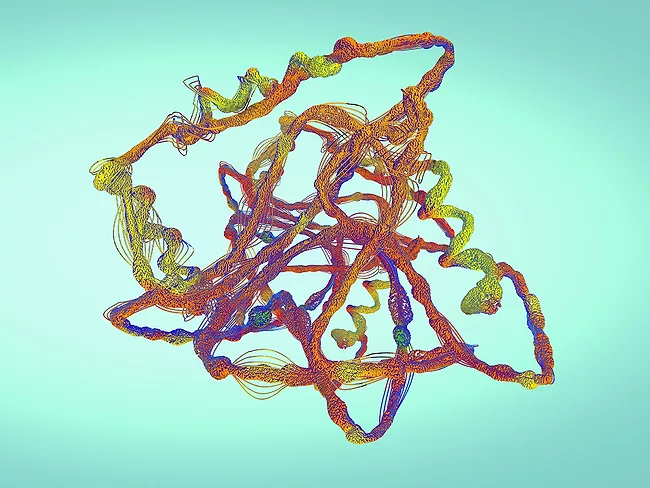
A project that started as a bioreactor to assist astronauts in deep space to keep medications safe in a microgravity environment could help pharma companies model how drugs behave in the human body. Omnigeniq unveiled at the J.P. Morgan Healthcare conference the first computer model of a human protein as it exists in the body, confirming that native protein topology can be calculated directly from physics.
A project that started as a bioreactor to assist astronauts in deep space to keep medications safe in a microgravity environment could help pharma companies model how drugs behave in the human body. Omnigeniq unveiled at the J.P. Morgan Healthcare conference the first computer model of a human protein as it exists in the body, confirming that native protein topology can be calculated directly from physics.
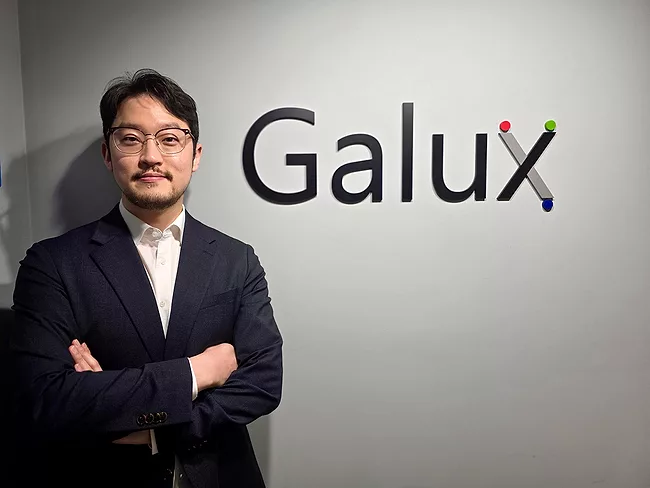
Galux closed a ₩42 billion (US$29 million) series B round Feb. 10, led by Yuanta Investment to bring AI-driven “rational design” to the protein drug development process, already heavily influenced by human engineering.