Wangli Technology, a subsidiary of Adai Technology (Beijing) Co. Ltd., has raised ¥100 million (US$14 million) to continue developing digital therapeutics aimed at mental health indications.
At the recent Clinic Trials on Alzheimer’s Disease (CTAD) conference in San Francisco, Regenlife SAS presented the design for its Light4life study examining the therapeutic efficacy of the RGn600 device. This trial on more than 100 subjects will evaluate the cognitive impacts of new photobiomodulation technology.
Rapidai Inc. received U.S. FDA 510(k) clearance for release of intracranial hemorrhage (ICH) triage technology that reduces notification fatigue in doctors swamped by calls to treat hemorrhages that turn out to be false positives. In a test sample sent to the regulatory agency, the artificial intelligence (AI)-powered system demonstrated a sensitivity rating of 97% detecting genuine hemorrhages and 100% specificity for a false positive rate of zero.
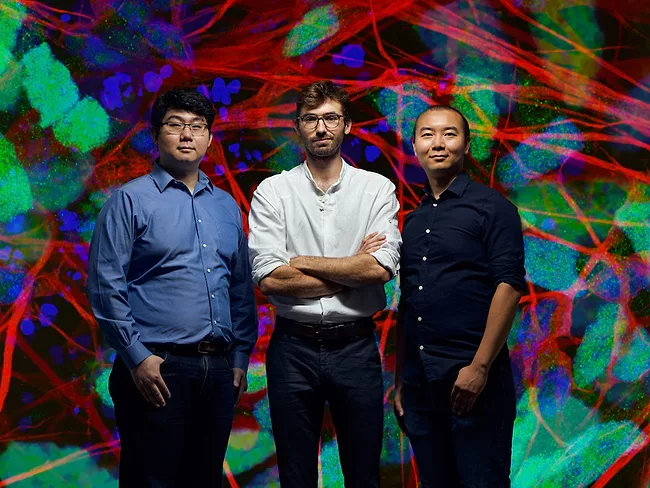
Researchers at the Neurorestore research center created a device that allows paralyzed patients with no sensation in their legs to walk again, providing hope for others with complete spinal injury. More remarkably, the team discovered the specific neurons that take over the signaling function between the brain and muscles to permit movement in response to the device’s electrical stimulation, offering a path forward for researchers, clinicians and patients affected by a wide range of neurological disorders.
The U.K. National Institute for Health and Care Excellence (NICE) has opened a consultation on the use of five digital health products that can be used to help children and adolescents better manage anxiety or low mood.
Aural Analytics Inc. and Hhitt Inc., dba Hitcheck, teamed up to offer a cognitive assessment application that could quickly answer the question, “Should he play?” after a hit to the head during a game. Considering the controversy over Miami Dolphins quarterback Tua Tagovailoa’s loss of consciousness following his second head injury in two games last month, the cognitive assessment tool, which includes clinical-grade speech analytics, comes none too soon.
Axoft Inc. emerged from stealth mode with an $8 million seed round led by The Engine, the Massachusetts Institute of Technology’s venture spinout for early-stage tech startups. The funds will be used to conduct preclinical studies and scale up prototypes of its supple brain implant technology.
Sinaptica Therapeutics Inc. received a U.S. FDA breakthrough device designation for its electromagnetic therapy for Alzheimer’s disease. Sinaptistim-AD combines neurostimulation, brain wave monitoring and artificial intelligence (AI) to address the cognitive and functional decline in patients with the neurological disorder.
Synaptive Medical Inc. and Panaxium SAS have inked a deal to bring high-resolution, real-time, artificial intelligence (AI)-assisted cortical mapping to neurosurgeons. Under the collaboration, Synaptive’s Modus V robotic exoscope technology will be integrated with Panaxium’s ultra-flexible iontronic electrocorticography (ECoG) platform.
Genetic testing has the potential to identify infants and children with autism potentially years earlier than clinical assessments, improving response to therapies and long-term outcomes. Sema4 Holdings Corp. presented results of a study Oct. 13 at the Child Neurology Society Annual Meeting that showed exome sequencing improved the diagnosis of autism spectrum disorders by up to 21% compared to current methods. At the same time, the research suggested that exome sequencing can identify children at risk of common comorbidities such as epilepsy, enabling more timely interventions.