Antibodies against tumor necrosis factor (TNF) and IL-6 receptor are the most effective available therapies against rheumatoid arthritis (RA). However, no cure for RA exists. In work published in Science Translational Medicine, scientists from Sanofi R&D (Sanofi SA) investigated whether dual inhibition of TNF and IL-6 could improve the therapeutic efficacy against RA.
Boston Immune Technologies and Therapeutics Inc. (BITT) has announced progress using its Domab platform. Two Domab CD40 antagonists, BITT-CD4D11 and BITT-CD4F10, have completed discovery and optimization and a final candidate is being selected for IND-enabling steps.
Dice Alpha Inc. has synthesized phenyl acetamide compounds acting as interleukin-17A (IL-17A) production inhibitors reported to be useful for the treatment of psoriasis, radiographic axial spondyloarthritis (ankylosing spondylitis), hidradenitis suppurativa, spondyloarthritis, psoriatic and rheumatoid arthritis.
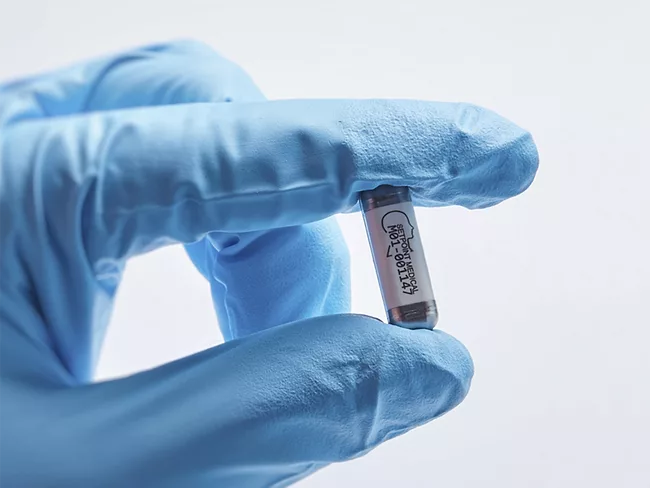
Bioelectronic medicine startup Setpoint Medical Corp. raised $80 million in a preferred stock financing co-led by new investors Norwest Venture Partners and Viking Global Investors. The company has also secured a line of credit for up to $65 million, bringing total access to capital to up to $145 million.
Bio-Thera Solutions Ltd. has obtained NMPA approval for BAT-1806 to treat rheumatoid arthritis, systemic juvenile idiopathic arthritis and cytokine release syndrome. BAT-1806 is the world’s first tocilizumab biosimilar approved for marketing, according to Guangzhou, China-based Bio-Thera.
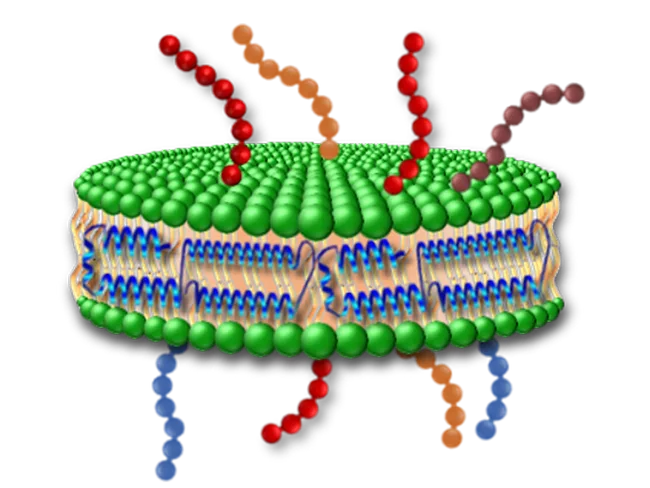
In one of the first large preclinical deals of 2023, Evoq Therapeutics Inc. is licensing for up to $685.5 million its Nanodisc technology to Gilead Sciences Inc. to develop new rheumatoid arthritis and lupus treatments. The potential payout includes up-front fees, an option exercise and milestone payments across both programs. Evoq also could receive tiered royalties on any sales that result.
Researchers from Eydis Bio Inc. reported the discovery and preclinical characterization of a novel mitogen-activated protein kinase kinase kinase 7 (MAP3K7/TAK1) inhibitor, EYD-001, being developed for the treatment of inflammatory and neuropathic pain.
Silo Pharma Inc. plans to initiate a pilot study of SPU-21, its novel joint-homing peptide targeting rheumatoid arthritis (RA), in human synovial tissue surrounding joints and tendons.
A research team at Duality Biologics (Suzhou) Co. Ltd. has discovered a novel anti-TNF-α monoclonal antibody-drug conjugate (ADC), DB-2306, as a potential therapeutic candidate for the treatment of autoimmune disease.