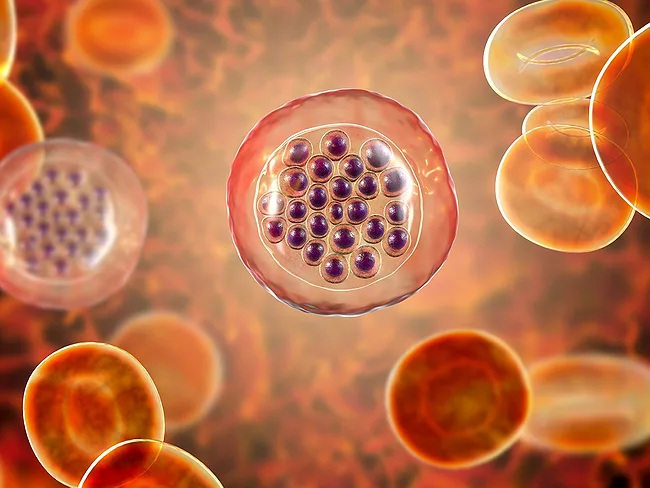
Researchers from the University of Sassari (Italy) and their collaborators have recently published findings from their research focused on the impact of one allelic variant in the CCND3 gene, encoding cyclin D3, on blood cell traits and resistance to malaria.
Hidradenitis suppurativa (HS) is a chronic autoinflammatory condition affecting the skin, the genetic mechanisms of which are not well understood. A group of researchers set out to explore the genetic background of familial HS by performing whole-exome sequencing on genomic DNA from patients.
A new method, based on gene editing with oligonucleotides and functional analyses, identifies which variants of DNA repair genes associated with Lynch syndrome are truly harmful and which are not. Scientists at The Netherlands Cancer Institute have developed this technique and classified these gene variants in both coding and noncoding regions, distinguishing those that are pathogenic from those that are benign.
Neurotrimin (NTM) is a member of the IgLON family, the disruption of which has been tied to emotional learning deficits and anxiety-like behavior in animal models. A mutation in the NTM gene was found to disrupt NTM protein heterodimerization with other IgLON family members, suggesting a potential link between NTM dysfunction and neurodevelopmental and behavioral disorders.
FAST kinase domain-containing protein 5 (FASTKD5) is a mitochondrial protein that is needed for processing mRNA in the primary mitochondrial transcript. Several mutations have been found in other proteins involved in mitochondrial metabolism, but mutations in the FASTKD5 gene have not yet been reported.
The Mediator complex is a system that regulates protein-coding gene transcription, where mediator of RNA polymerase II transcription subunit 16 (MED16) is a subunit belonging to this system. Pathogenic genetic variants in Mediator complex subunits usually lead to neurodevelopmental and neurodegenerative diseases with a variety of clinical symptoms, usually designated as MEDopathies.
A variant burden analysis for bipolar disorder was performed using gene-based aggregation of loss-of-function variants in whole-genome sequencing data from Iceland and the UK Biobank; the association between bipolar disorder and the burden of loss-of-function variants was tested in 13,786 genes.
Focal segmental glomerulosclerosis (FSGS) is a kidney disease that leads to renal failure, and it affects individuals from different ancestries, the highest prevalence being among African and African American populations. DNA samples from 726 patients with FSGS were obtained and DNA sequencing was performed in the search of mutations tied to FSGS compared to a large pool of control populations.
Branchio-Oto-Renal syndrome 1 (BOR1) is caused by pathogenic variants in the EYA1 gene, and the gene behind the pathogenesis of BOR2 is SIX5. Growing evidence exists regarding GATA and PAX-SIX-EYA-DACH transcriptional networks playing a key role in normal development. A case report of a patient harboring a new variant in the DACH1 gene was recently presented.
Mosaic variegated aneuploidy syndrome (MVAS) is an autosomal recessive disorder characterized by mosaic aneuploidy. Its clinical manifestations include growth and developmental delay, congenital malformations and increased cancer risk. Genetic variants involved in MVAS affect the chromosomal segregation during mitosis, where individuals often show mosaicism and chromosomal instability.