The U.S. Department of Health and Human Services (HHS) reported a rescission of a September 2020 policy that would require that the secretary of health and human Services sign off on any rulemaking by HHS agencies. Despite the firestorm of criticism that followed the issuance of the September 2020 policy, attorney Jim Shehan, of Lowenstein Sandler, told BioWorld that the rulemaking process will remain exceptionally cumbersome, leaving in place a status quo that itself has been the target of repeated criticism.
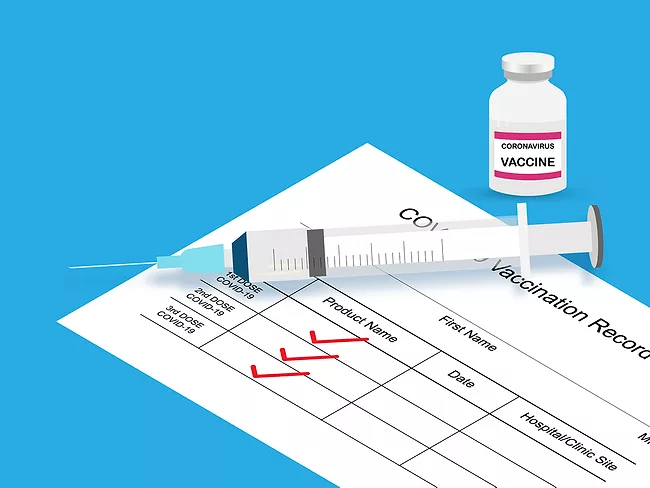
Plans for offering COVID-19 vaccine booster shots in the U.S. took a big step forward Aug. 18, as Health and Human Services (HHS) public health and medical experts laid out their intention to offer booster shots across the country for people 18 and older beginning the week of Sept. 20 and starting eight months after an individual's second dose.
Rick Bright, who filed a whistleblower complaint last year against the U.S. Department of Health and Human Services (HHS) after he was removed from his position as director of the Biomedical Advanced Research and Development Authority (BARDA), reached an undisclosed settlement with HHS, the U.S. Office of Special Counsel reported Aug. 9.
Instead of waiting for Congress to come up with a solution to reduce drug prices, a trio of U.S. lawmakers told the U.S. Department of Health and Human Services (HHS) it needs to tackle drug prices with the tools it already has – compulsory licensing and march-in rights.
The U.S. Supreme Court has agreed to take up one piece of the 340B conundrum that’s pitting biopharma against hospitals and catching the Department of Health and Human Services in between. The case the court agreed to hear, the American Hospital Association (AHA) v. Becerra, focuses on whether HHS has the authority to cut Medicare reimbursement rates to reflect the steep discounts 340B hospitals get on certain prescription drugs.
As a first step in developing a portfolio of COVID-19 therapies, the European Commission identified five promising candidates June 29, including four monoclonal antibodies under rolling review at the EMA and an immunosuppressant that could have its marketing authorization extended to include the treatment of COVID-19 infections.
The U.S. government on June 17 announced plans for a multi-faceted $3.2 billion investment in the development and manufacture of new antivirals for preventing serious COVID-19 illness and death.
After delaying it twice, the U.S. Department of Health and Human Services (HHS) is proposing to rescind a Trump-era rule that would have given certain low-income patients insulin and injectable epinephrine products at the steeply discounted 340B rate.
In a bid to bring more drug manufacturing back to the U.S. and to ensure an adequate supply of essential medicines, even in public health emergencies, the U.S. Department of Health and Human Services is forming a public-private consortium on advanced manufacturing and the onshoring of domestic production.
The American Clinical Laboratory (ACLA) filed an appeal to revive its lawsuit against the U.S. Health and Human Services challenging HHS’ overhaul of the medical clinical lab fee schedule over its “harmful regulatory overreach” that imposes an “unsustainable reimbursement model.”