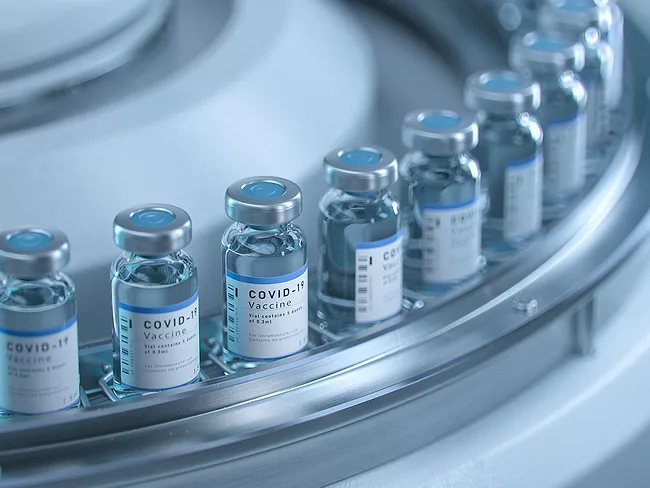
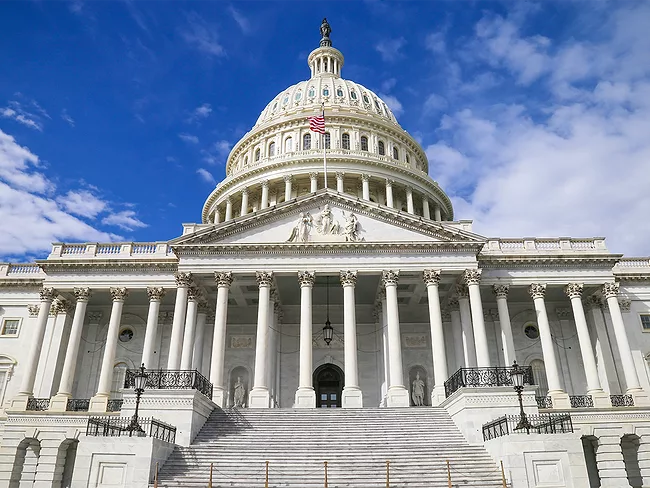
The COVID-19 pandemic has hit supplies and devices across a broad range of categories over the past two years, and the latest addition to the list is the blood collection tube. The FDA announced that this shortage affects all types of blood collection tubes, thus affecting tubes for all uses, not just those used for testing for the SARS-CoV-2 virus.
The good news first. A new U.S. Congressional Budget Office (CBO) report shows that, on average, Americans who can get the treatment they need with generics may be paying less for their prescription drugs than they were a decade ago. The bad news? Those who have no choice other than a brand drug may be paying a whole lot more.
Should the U.S. government be in the business of manufacturing COVID-19 vaccines? Several prominent Democratic senators and representatives would say yes.
Where’s the plan? That was the underlying question Jan. 11 as Biden administration health officials faced frustration and tough questions from both Democrats and Republicans on the Senate Health, Education, Labor and Pensions (HELP) Committee about how the U.S. government is responding to the surge of COVID-19 infections caused by the omicron variant.
Over the course of the past two years, two presidential administrations and the U.S. Congress have set considerable sums of money aside for testing for the COVID-19 pandemic, but reports of shortages of tests have prompted a response from Capitol Hill.
Former FDA Commissioner Stephen Hahn is being asked to spill the beans on political interference at the U.S. agency during the emergence of COVID-19 last year.
It looks like direct Medicare drug price negotiations are back in the U.S. fiscal 2022 budget bill.
Nearly a week after President Joe Biden dropped drug pricing reforms from his Build Back Better budget framework, congressional Democrats came together on a scaled-back version of the pricing provisions originally included in H.R. 3.
When the White House COVID-19 Response Team announced its booster program in August, it justified the broad use of a third vaccine dose with antibody studies and real-world data from Israel.
Sure H.R. 3 could save the U.S. government hundreds of billions of dollars on drug spending, but that savings comes at a long-term cost in innovation that’s higher than the Congressional Budget Office (CBO) initially forecast.
As the U.S. House of Representatives resumes work Aug. 23 on a budget reconciliation proposal to get a $3.5 trillion fiscal 2022 budget across the finish line, many lawmakers are looking to provisions to reduce prescription drug prices as a way to pay for increased spending in other health care sectors.