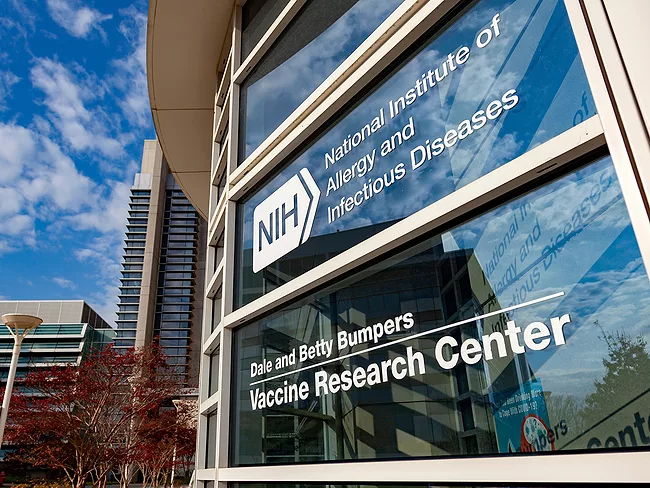
The U.S. NIH may be weathering the budget storm thanks to bipartisan congressional support, but another squall line is forming on the horizon over politicization of the research agency.
The good news is that the U.S. Congress is on track to pass a slate of fiscal 2026 spending bills before the current continuing resolution expires Jan. 30. So, barring any last-minute disputes or legislative hostage-taking, there should be no repeat of last year’s 43-day shutdown that impacted NIH grants and activities.
U.S. President Donald Trump unveiled his “Great Healthcare Plan” Jan. 15, an initiative he said would slash prescription drug prices, maximize price transparency in the health care system and hold big insurance companies accountable.
Perhaps the biggest indicator of U.S. President Donald Trump’s activism in his second term is the 225 executive orders (EOs) he issued in 2025. The pace of those orders seems to have slowed, with “only” 16 released in the last quarter of the year. Four of the recent EOs could impact drug and device companies in a myriad of ways.
“If at first you don’t succeed, try, try again” seems to be the motto of U.S. lawmakers – at least when it comes to the bipartisan Biosecure Act. After missing a ride last year in the must-pass annual defense spending bill, a version of the bill that seeks to protect the genetic data of Americans while securing U.S. pharmaceutical supply chains made it into the 2026 National Defense Authorization Act, which is now just a Senate vote away from becoming law.
“If at first you don’t succeed, try, try again” seems to be the motto of U.S. lawmakers – at least when it comes to the bipartisan Biosecure Act. After missing a ride last year in the must-pass annual defense spending bill, a version of the bill that seeks to protect the genetic data of Americans while securing U.S. pharmaceutical supply chains made it into the 2026 National Defense Authorization Act, which is now just a Senate vote away from becoming law.
As the systematic dismantling of the U.S. vaccine schedule escalates, the demands to hold Health and Human Services Secretary Robert Kennedy accountable are growing. Claiming that Kennedy has turned his back on science and is endangering public health, Rep. Haley Stevens, D-Mich., formally introduced articles of impeachment against him Dec. 10 for “high crimes and misdemeanors.” Under the Constitution, federal officials can only be impeached for treason, bribery and “other high crimes and misdemeanors.”
The next stop on the comeback tour for the U.S. FDA’s Rare Pediatric Disease Priority Review Voucher program is the Senate, after the House unanimously passed the Mikaela Naylon Give Kids a Chance Act, H.R. 1262, Dec. 1.
The U.S. House is expected to vote late Nov. 12 on an amended continuing resolution (CR) to end the historic 43-day partial government shutdown. Already passed by the Senate, the CR would fully reopen the government and fund it through Jan. 30. President Donald Trump has said he will sign the CR, which ensures federal employees furloughed during the shutdown will receive back pay and will not be terminated.
Caught between the start of fiscal 2026 and a congressional funding standoff that shut down much of the U.S. federal government Oct. 1, the FDA will not be able to collect 2026 user fees until Congress agrees on a continuing resolution or a 2026 appropriations bill.