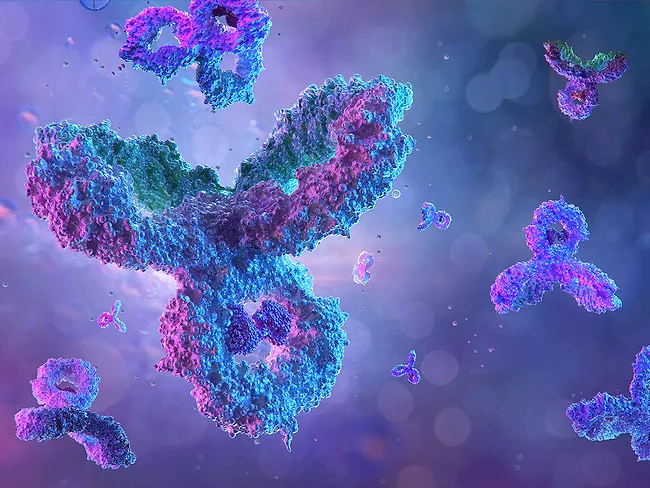
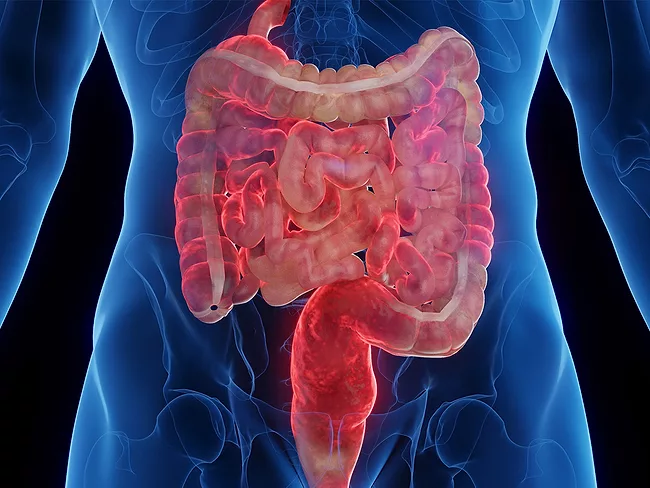
Granite Bio AG has emerged from stealth with $100 million in series A and B funding and a focus on developing first-in-class antibodies that target the root causes of a variety of inflammatory, autoimmune and fibrotic conditions.
Named after Swiss mountains, Granite Bio AG emerged from stealth with $70 million in funds through a series B to advance two immunology treatments incubated at Versant Ventures.
Parvus Therapeutics Inc. has announced the achievement of a milestone under its collaboration with Abbvie Inc. to develop treatments for inflammatory bowel disease (IBD). PVT-401, a novel peptide-major histocompatibility complex (pMHC) nanomedicine (Navacim) drug candidate, has met prospective nonclinical pharmacology and manufacturing criteria.
Pannexin 1 (PANX1) forms channels that may release signaling metabolites that are involved in a variety of pathophysiological processes, such as asthma, diabetes, hypertension or inflammatory bowel disease (IBD), among others. Inhibition of PANX1 when dysregulated has been proposed as a therapeutic approach in the treatment of IBD.
Domain Therapeutics SA has nominated PAR2 antagonist DT-9046 as a drug candidate with potential to treat various inflammatory diseases, including atopic dermatitis, inflammatory bowel disease and arthritis, as well as neuroinflammatory conditions such as migraine.
Maxion Therapeutics Ltd. is poised to extend the therapeutic reach of antibodies into the vast field of G-protein coupled receptors and ion channel targets, after raising $72 million in a series A round.
Inflammatory bowel disease (IBD) is impacted by genetic, environmental and immunological factors, where the imbalance in T-cell immune responses significantly promotes its progression. In recent years, the role of RNA modifications in epigenetic regulation has caught significant attention in research; among these, N4-acetylcytidine (ac4C) is the only acetylation process in RNA and plays a role in several biological processes, but its implication in the functioning of immune cells is largely unknown to date.
Maxion Therapeutics Ltd. has raised $72 million (£58 million) in a series A financing to support its development of antibody-based Knotbody drugs for ion channel- and G protein-coupled receptor (GPCR)-driven diseases.
Yesterday’s first part of this two-part series surveyed bispecific antibodies for immunological and inflammatory (I&I) disease. Apart from bispecifics, Leerink analyst Thomas Smith lately has proven interested in I&I overall, unveiling his “five for 2025” in a January report that listed five indications with “potential for disruption” in the year ahead.