The U.S. FDA is to temper the alert it put out in November 2023 pointing to a potential risk of CAR T therapies causing de novo malignancies. “There was this issue of possible safety concerns with T-cell lymphomas, with these CAR T cells. I think this year, we are feeling reassured in this regard,” Peter Marks, director of the FDA’s Center for Biologics Evaluation and Research (CBER), told the Alliance for Regenerative Medicine briefing at the J. P. Morgan Healthcare Conference on Jan. 13.
Right on cue, the U.S. FDA’s Center for Drug Evaluation and Research (CDER) is scheduling its first in-person advisory committee meetings since the COVID-19 pandemic. Speaking during a May 6 webinar hosted by the Alliance for a Stronger FDA, CDER Director Patrizia Cavazzoni said the center was preparing to go back to in-person adcoms, adding that the first step likely would be a hybrid model.
Right on cue, the U.S. FDA’s Center for Drug Evaluation and Research (CDER) is scheduling its first in-person advisory committee meetings since the COVID-19 pandemic. Speaking during a May 6 webinar hosted by the Alliance for a Stronger FDA, CDER Director Patrizia Cavazzoni said the center was preparing to go back to in-person adcoms, adding that the first step likely would be a hybrid model.
The FDA’s November 2021 draft guidance for contents of premarket submission for device software functions may have been a desperately needed update for a legacy 2005 guidance, but stakeholders see one glaring omission from the draft. Both the Advanced Medical Technology Association and Pharmaceutical Research and Manufacturers of America pointed to the absence of sign-off by the FDA’s Center for Drug Evaluation and Research (CDER) for the draft, a conspicuous omission because a combination product with software may include a drug regulated by CDER.
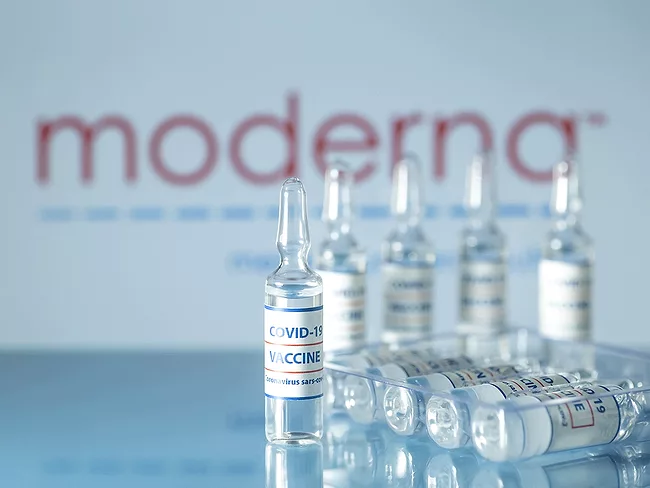
Higher antibody titer levels were found in participants receiving two doses of Moderna Inc.’s COVID-19 vaccine compared to those receiving the Pfizer Inc.-Biontech SE vaccine, according to a research letter published in JAMA.
Patient perspectives on medical device development are becoming much more central to the U.S. FDA’s regulation of devices, thus the August 2020 draft guidance for selection of patient-reported outcome instruments for device evaluation.
Patient perspectives on medical device development are becoming much more central to the U.S. FDA’s regulation of devices, thus the August 2020 draft guidance for selection of patient-reported outcome (PRO) instruments for device evaluation. However, the draft is sufficiently vague on the question of when an existing PRO can be tweaked without an entirely new validation study to prompt the Advanced Medical Technology Association (Advamed) to press the agency for more clarity on that point.
In a time when the FDA needs its best and brightest people onboard, nearly half the senior leadership at the agency will be eligible for retirement by Sept. 30.
Looking ahead to COVID-19 strategies, Peter Marks, director of the FDA’s Center for Biologics Evaluation and Research (CBER), said vaccine studies might be done not in clinics but in the streets. “By definition, we’re probably not going to be able to vaccinate everyone simultaneously,” he noted.
In the words of former FDA Commissioner Scott Gottlieb, the five-week government shutdown that ended Jan. 25 was "the most difficult operational challenge we have faced in modern times." While the full impact of that challenge could ripple through the FDA for a while, it made little difference in the number of warning letters the agency sent out between Dec. 23 and Jan. 25.