Medical device manufacturers based in China may feel the FDA has a bullseye on their backs, but two firms located in Canada were the subjects of recently posted FDA warning letters.
The U.S. FDA has taken off the gloves when it comes to device warning letters. One recent example is the April 3 warning letter to Bioptimal International Ltd., of Shenzen, China, which did not score well with the agency on routine good manufacturing practices. Perhaps more conspicuous was that the company was selling catheters that had undergone significant changes without a new regulatory filing – a seemingly common theme in recent FDA device warning letters.
The theft of 110 units of a study drug containing a Schedule III controlled substance resulted in a warning letter from the U.S. FDA. Addressed to the clinical investigator, Kevin Bender, of the Tamarac, Fla.-based DBC Research Corp., the May 2 letter should serve as a reminder to all trial investigators handling controlled substances.
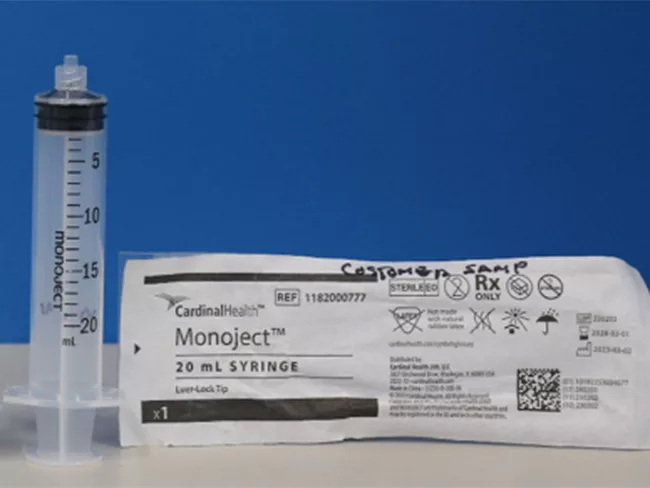
The U.S. FDA issued a handful of warning letters to device makers in the month of April 2024, one of which is for the Waukegan, Il., plant operated by Cardinal Health Inc., of Dublin, Ohio. While the Waukegan plant escaped citations for most routine Quality System Regulation deviations, the FDA said Cardinal’s handling of contract manufactured luer locks and syringes fell well short of the agency’s expectations given that these issues led to a massive recall, a product removal and an FDA advisory.
Royal Philips NV may feel it has had enough recent interaction with the U.S. FDA, but the company is now in receipt of a warning letter from the agency over a facility located in Suzhou, China. The FDA was none too fond of the facility’s handling of a contract manufactured data cable used in CT systems because of malfunctions that may have delayed diagnostic imaging procedures, representing yet another regulatory distraction for a company that recently cleared a long-running conflict with the FDA over CPAP machines.
The U.S. FDA posted two device warning letters in the first week of April 2024, including one each to Beckman Coulter Inc., of Brea, Calif., and Agena Bioscience Inc. of San Diego, the former of which was directed toward the Chaska, Minn., facility that manufactures the Beckman Coulter Dxl 9000 analyzer.
The U.S. FDA posted two warning letters to device makers in the second week of March 2024, one each to Exactech Inc., of Gainesville, Fla., and the other to Nobles Medical Technology II Inc., of Fountain Valley, Calif. The themes of these warnings are entirely different, with Noble receiving a warning regarding clinical trial oversight and Exactech taking a hit for routine good manufacturing compliance issues, showing that the FDA is active in the post-COVID compliance realm.
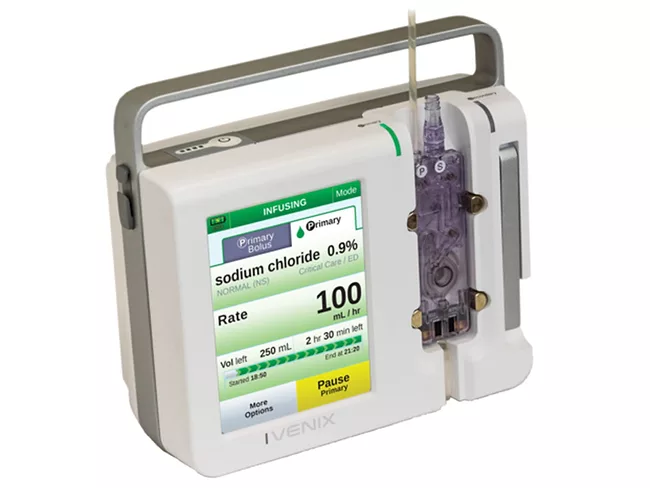
The U.S. FDA’s warning letter to Fresenius Kabi AG of Homburg, Germany highlighted several problems with the compliance practices at the company’s plant in North Andover, Mass., but there is more than just a compliance issue at play. Fresenius had acquired the Ivenix infusion pump and the inspected research and development site in its 2022 acquisition of Ivenix Inc., another example of the regulatory and compliance hazards of acquisitions in the med-tech space.
A heads up for the biopharma and med-tech industries: The U.S. government is going beyond warning letters to slap companies for violating the FDA’s good manufacturing practice (GMP) regulations. KVK Research Inc., a U.S.-based generic drug manufacturer, pleaded guilty March 6 to two misdemeanor counts of violating the Federal Food, Drug and Cosmetics Act by introducing adulterated drugs into interstate commerce. As part of the plea, the company agreed to pay a proposed fine and forfeiture amount of $1.5 million.
A China-based manufacturer of active pharmaceutical ingredients (API) suspended producing API for the U.S. market following an FDA inspection that found “significant deviations” from good manufacturing practices at the facility.