The FDA’s device center has generated a raft of warning letters for products related to the COVID-19 pandemic, and released another six such letters for the week of Aug. 9. However, the ostensible justification for those warnings varies considerably, as does the elapsed time between the date of the warning letter and its issuance on the FDA’s warning letter webpage.
The COVID-19 pandemic may have been largely responsible for the lower volume of enforcement activities against device makers in 2020, but the volume of these activities seems to be ramping up in 2021. Recently, the FDA posted a large batch of warning letters to device makers while the U.S. Department of Justice (DoJ) announced two new enforcement actions, including a $27 million fine to the operators of durable medical equipment distributorships for kickbacks, part of a growing set of signals that enforcement is back in vogue in the U.S.
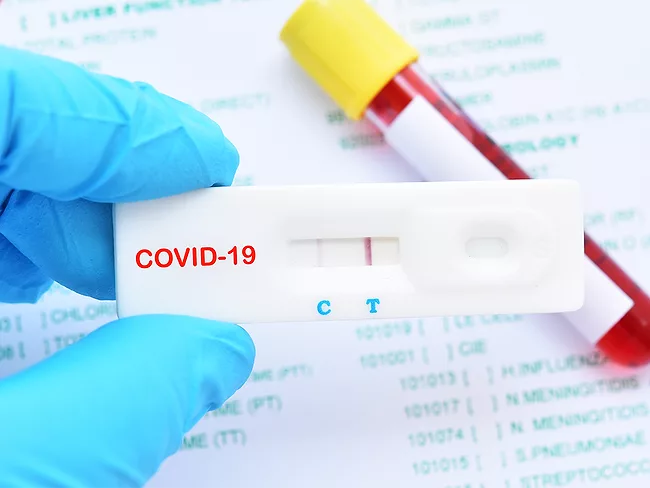
The FDA issued a June 10 warning letter to Innova Medical Group Inc. in connection with the company’s rapid antigen tests for the SARS-CoV-2 virus, an action that accompanies a class I recall and a safety communication.
The latest global regulatory news, changes and updates affecting medical devices and technologies, including: FDA hits company for deviations from drug, device GMPs; Stryker undertakes correction for AEDs; MHRA: Creams, ointments may interfere with CGM function; NICE says liver perfusion suffers for want of evidence of efficacy; NIAID testing vaccine allergy hypothesis; EC provides emergency funding for COVID-19 research; Medtronic splits Ninth Appeals’ review of lower court decision; Industry, docs push back on prior authorization.
U.S. FDA warning letters have been a staple of regulatory life since the late 1990s, but James Boiani, a regulatory attorney with Epstein, Becker & Green P.C., said it’s no stretch of the imagination that warning letter volumes will jump in 2021. This is to some extent because the volume of warning letters dropped significantly over the past four years, and Boiani advised that all FDA-regulated industries will see more warning letters unless they are communicative with the agency about inspectional findings.
The latest global regulatory news, changes and updates affecting medical devices and technologies, including: FDA slaps two companies for illicit COVID offerings; FDA approves new PET imaging agent for prostate cancer.
The COVID-19 pandemic has affected the U.S. FDA on the postmarket side as well as on the premarket side, but the focus of pandemic-driven warning letters has shifted over time. Amanda Johnston, senior attorney at Gardner Law of Stillwater, Minn., said on a Nov. 5 webinar the FDA’s emphasis lately has been closer to the agency’s traditional enforcement considerations after an initial wave of warnings dealing with flatly fraudulent products.
Life science companies doing business during a pandemic may believe that patients, judges and juries will look kindly on products that don’t perform as promised, but that may be an empty wish.
Life science companies doing business during a pandemic may believe that patients, judges and juries will look kindly on products that don’t perform as promised, but that may be an empty wish. Angela Seaton, an attorney with the D.C. office of Shook, Hardy & Bacon LLP, advised that companies that want to break into new markets because of pandemic-specific demand should do their homework, including a review of U.S. FDA warning letters.
The FDA’s 15-day deadline for responses to warning letters has long been a sore spot for device makers, who might argue that some of the more complex regulatory findings require more than 15 days to analyze and address. That same timeline was found in both the draft and final versions of the non-binding feedback guidance for device inspections despite industry’s pleas that such a tight deadline leads to rushed judgment and potentially inadequate responses by managers at the manufacturing site.