The volume of U.S. FDA warning letters to device makers oscillated significantly in recent years, but the agency posted a handful of these letters to kick off the new year. Five letters were posted Jan. 14, and dated between Dec. 6 and Dec. 19, 2024, but otherwise seem to have little in common.
The U.S. FDA’s Nov. 1 warning letter to Owens & Minor Inc. criticized the company for a lack of documentation that two components of convenience kits had been validated for sterilization with ethylene oxide.
The U.S. FDA issued warning letters to a pair of non-clinical testing labs located in China for violations of good laboratory practices, but the fall-out may reach existing marketing authorizations.
Following a bioresearch monitoring inspection, the U.S. FDA slapped Julio Flamini, a clinical investigator at the Research Center of Atlanta, with a warning letter citing a “significant” protocol violation in which a 15-year-old girl was given 10 times the maximum daily dose of an unnamed study drug for a week.
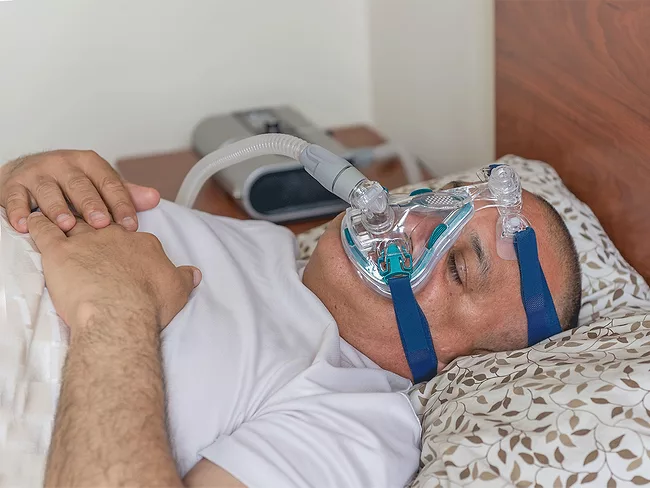
The U.S. FDA caught up with four makers of CPAP cleaning machines in the form of warning letters advising the manufacturers that the claims made for their systems fall under the definition of a regulated medical device. In two of these warning letters, the FDA said it had been in touch with the manufacturer for at least two years, indicating that the agency has been steadily working on enforcement activities in this space for some time.
The U.S. FDA has made clear its expectations of batteries and accessories for automated external defibrillators, but at least one maker of replacement AED batteries seems to have not got the message.
The U.S. FDA warning letter to Globus Medical Inc., highlights some long-running concerns at the agency about medical device reporting practices, but the agency was keen to point to a problem with the company’s complaint trending practices.
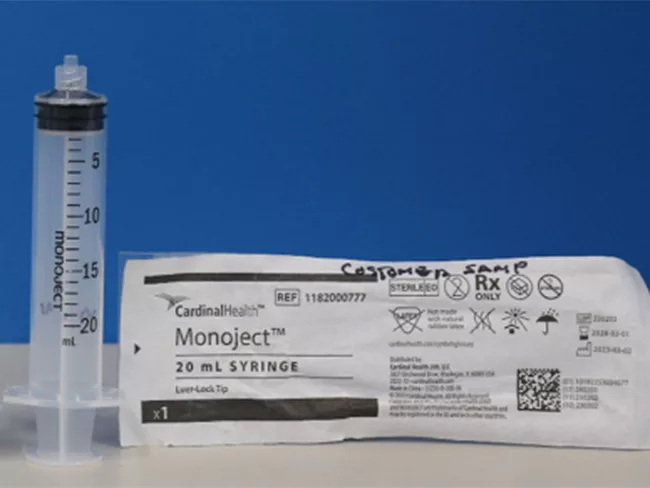
The U.S. FDA literally wasted no time in posting twin warning letters to two companies in China that manufacture syringes that were the subjects of multiple recalls in the U.S.
The U.S. FDA warning letter to AG Essence Inc., a maker of wound care products, raised the question of whether the the company’s Banda product line is a drug or a device, although the FDA’s device center was the issuer of the warning letter. However, the company told ioWorld that it sees its offerings as homeopathic products rather than as drugs or devices, suggesting that this product jurisdiction scrum is far from over.
Communication missteps, overreliance on a contract research organization and lack of clarity of U.S. FDA expectations for an expanded access protocol for emergency use resulted in a warning letter posted June 18 that highlights potential pitfalls for sponsor/investigators conducting the individualized studies.