Nearly one year after CSL Ltd. announced its $11.7 billion acquisition of Vifor Pharma Ltd., the company outlined for the first time the synergies of the two companies and its long-term growth strategy aimed at the nephrology market.
After two years of talks, privately held Ventus Therapeutics Inc. and Novo Nordisk A/S have signed an exclusive worldwide license deal to commercialize candidates from Ventus’ portfolio of peripherally restricted NLR pyrin domain-containing 3 (NLRP3) inhibitors. Along with Roche Holding AG’s September 2020 acquisition of Inflazome Ltd. and Novartis AG’s buyout of subsidiary IFM Tre in April 2019, this is another step by big players to get into the NLRP3 space.
Klotho Therapeutics Inc. has synthesized new histone deacetylase 8 (HDAC8) inhibitors reported to be useful for the treatment of acute kidney injury and chronic kidney disease.
Maze Therapeutics has patented apolipoprotein L1 (APOL1) inhibitors reported to be useful for the treatment of chronic kidney disease, focal segmental glomerulosclerosis, HIV-associated nephropathy, lupus nephritis and sepsis.
Melbourne-based Occurx Pty Ltd. announced a AU$16 million (US$11 million) series B round that will progress lead candidate OCX-063 to phase II trials in chronic kidney disease. The capital raise was jointly led by Brandon Biocatalyst and Uniseed and includes a AU$1.5 million grant from Australian biomedical incubator Cureator.
Sphingosine 1-phosphate (S1P) is a pleiotropic mediator involved in a variety of cellular functions. It is a product of cell membrane sphingolipid catabolism as it is generated from sphingosine intracellularly by sphingosine kinases 1 and 2 (SphK1 and SphK2), and it is exported from cells by spinster homolog 2 (Spns2) or major facilitator superfamily 2b (Mfsd2b).
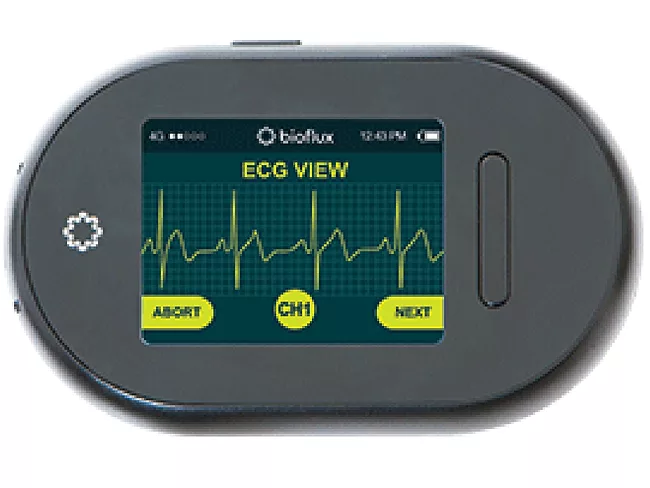
Biotricity Inc. received more than $240,000 in a grant from the U.S. National Heart, Blood and Lung Institute of the National Institutes of Health to launch a study of a new algorithm to be used with its Bioflux device to assess the risk of stroke in patients with chronic kidney disease (CKD).
Xeltis BV raised $15 million in series D2 funding to develop its restorative vascular access device for patients with chronic kidney disease who are on hemodialysis. The investment in this technology, called the Axess graft, came from Hong Kong-based China Grand Pharmaceutical and Healthcare Holdings Ltd. (Grand Pharma). The deal focuses mainly on commercializing Axess, but also involves other new products in the field of hemodialysis developed as part of the Xeltis technology platform. The commitment from Grand Pharma includes equity investment and product licensing, representing Xeltis’ first commercial deal and its first funding from an Asian concern.
The U.S. FDA handed good news to Healthy IO Ltd. (Healthy.io) with 510(k) clearance for its smartphone-based Minuteful Kidney test, making kidney function testing – from sample to result – possible at home. The app calculates the albumin-to-creatinine ratio (ACR), a key indicator of kidney disease. By enabling people to complete the test using their phones, the company says it has increased the rate of testing in high-risk patients by 50%.
More than five years after agreeing to collaborate in a deal that had the potential to top $1 billion, Akebia Therapeutics Inc. executed an agreement to terminate its troubled partnership to develop vadadustat with Otsuka Pharmaceutical Co. Ltd. Otsuka will pay Akebia a $55 million settlement fee.