Xeltis BV raised $15 million in series D2 funding to develop its restorative vascular access device for patients with chronic kidney disease who are on hemodialysis. The investment in this technology, called the Axess graft, came from Hong Kong-based China Grand Pharmaceutical and Healthcare Holdings Ltd. (Grand Pharma). The deal focuses mainly on commercializing Axess, but also involves other new products in the field of hemodialysis developed as part of the Xeltis technology platform. The commitment from Grand Pharma includes equity investment and product licensing, representing Xeltis’ first commercial deal and its first funding from an Asian concern.
The U.S. FDA handed good news to Healthy IO Ltd. (Healthy.io) with 510(k) clearance for its smartphone-based Minuteful Kidney test, making kidney function testing – from sample to result – possible at home. The app calculates the albumin-to-creatinine ratio (ACR), a key indicator of kidney disease. By enabling people to complete the test using their phones, the company says it has increased the rate of testing in high-risk patients by 50%.
More than five years after agreeing to collaborate in a deal that had the potential to top $1 billion, Akebia Therapeutics Inc. executed an agreement to terminate its troubled partnership to develop vadadustat with Otsuka Pharmaceutical Co. Ltd. Otsuka will pay Akebia a $55 million settlement fee.
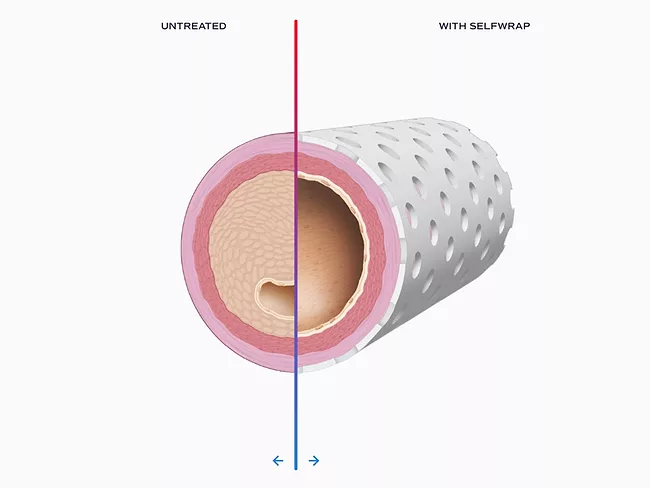
A tissue engineered polymer wrap designed to reduce vein graft failure rates in patients on hemodialysis for chronic kidney disease (CKD) has won FDA breakthrough device designation. Developed by Houston-based Venostent Inc., the Selfwrap bioabsorbable perivascular wrap is macroporous material that wraps around blood vessels and acts as a scaffold to ensure veins and arteries work together seamlessly to filter out toxins in the patient’s blood.
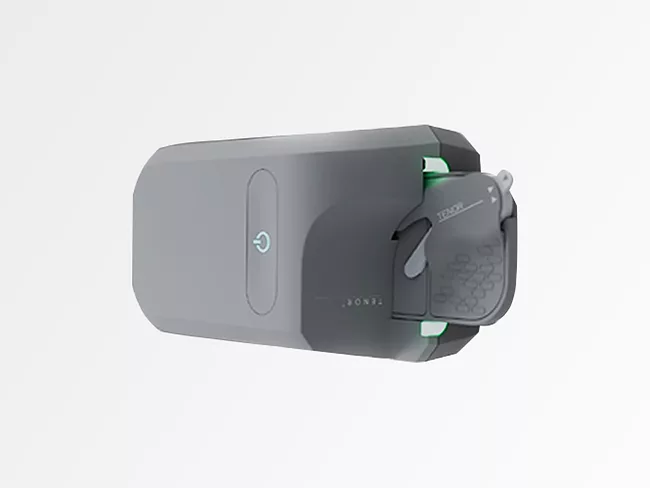
Cardiorenal is advancing a digital solution for chronic kidney disease (CKD) patients with a new seed investment. The Grenoble, France-based startup’s product Tenor attracted $3.7 million from investors to secure regulatory clearance in the U.S. and Europe.
The company conference call related to Akebia Therapeutics Inc.’s complete response letter (CRL) for vadadustat, an HIF prolyl-hydroxylase inhibitor for anemia caused by chronic kidney disease, brought on the ongoing and perhaps inevitable comparisons with a similar product from Fibrogen Inc., rejected by the agency last August.
Opinion on Wall Street said the matter could have gone either way, but in the end Akebia Therapeutics Inc.’s vadadustat, a HIF prolyl-hydroxylase inhibitor for anemia caused by chronic kidney disease (CKD), garnered a complete response letter (CRL) instead of approval from the FDA. The news slammed Akebia shares (NASDAQ:AKBA), which closed at 82 cents, down $1.61, or 66%. Specifically, the agency said that the data in the NDA do not support a favorable benefit-risk assessment of vadadustat in dialysis-dependent (DD) and non-DDs patients.
Pathalys Pharma Inc., a privately held startup focused on developing new medicines chronic kidney disease, has emerged with an exclusive license from Tokyo-based EA Pharma Co. Ltd. to develop the small molecule calcimimetic upacicalcet for markets outside of Japan and Asia.
Cincor Pharma Inc.’s IPO at the start of the year underlined hopes for a new way to attack treatment-resistant hypertension and related diseases, as the Boston-based firm touted what one analyst called it ‘pipeline in a pill,” CIN-107, which selectively targets aldosterone synthase to lower aldosterone levels, in turn knocking down blood pressure.
Fist Assist Devices LLC received a breakthrough device designation from the FDA for its Fist Assist Model FA-1 device for patients with end-stage renal disease (ESRD). The pre-surgical dilation device promotes arteriovenous (AV) fistula creation in renal failure patients with inadequate vein size for creation of an AV fistula for hemodialysis. An AV fistula is a surgical connection between an artery and a vein used as an access point for dialysis.