Researchers from Healios K.K. presented preclinical data for HLCN-061, a novel gene-engineered human induced pluripotent stem cell (iPSC)-derived NK cell product being developed for the treatment of solid tumors.
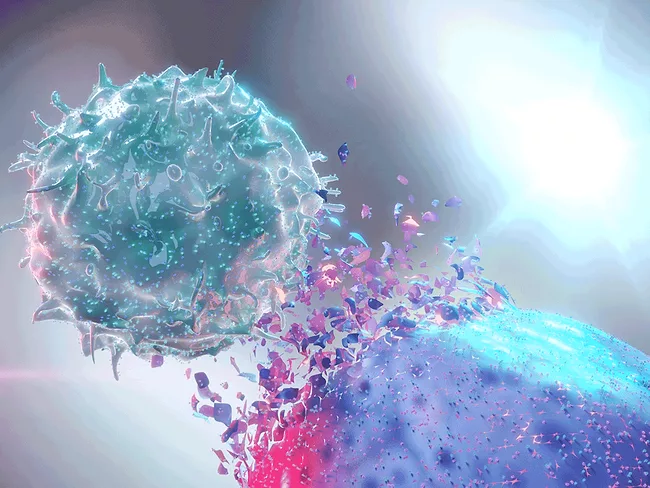
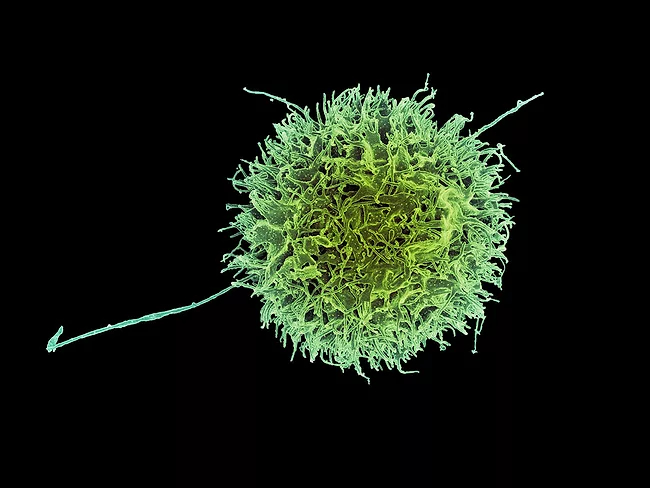
Human natural killer (NK) cells play an essential role in tumor surveillance and can attack malignant cells in an antigen-independent manner. Because of this, allogeneic NK cells can be engineered as off-the-shelf therapies and may be used to target different hematological malignancies or solid tumors.
Affimed NV said the latest data with its lead innate cell engager (ICE) known as AFM-13, disclosed at the American Society of Hematology (ASH) meeting, have caused the focus to shift from monotherapy to combination regimens.
NK cell-based cancer immunotherapy has emerged as an anticancer treatment approach and is currently being tested in clinical trials. KIR2DL5, a member of the human killer cell immunoglobulin-like receptor (KIR) family, has recently been identified as a binding partner for poliovirus receptor (PVR). However, the biology and therapeutic potential of the KIR2DL5/PVR pathway remain widely unexplored.
Chimeric antigen receptor (CAR) T-cell therapy is effective in the treatment of multiple myeloma (MM), but its toxicity and complex manufacturing limit their broad use.
“In 2015, when I started in this field…. people considered breast cancer a cold tumor,” Marleen Kok told the audience at the European Society of Medical Oncology’s 2022 Targeted Anticancer Therapy meeting (ESMO TAT). But the sensitivity of breast cancer to immunotherapy, or lack thereof, is “not a black and white phenomenon.”
DUBLIN – In biopharma, U.S. patent grants hardly represent big news. Without them, you simply don’t get to sit at the table. So Onk Therapeutics Ltd.’s receipt of U.S. patent no. 11104735 covering CISH gene knockouts in natural killer (NK) cell therapies for cancer is not a major event in the general scheme of things. At the same time, it is a vitally important enabler for a company that is, paradoxically, both an early mover in the field but also a laggard in the highly competitive race to move NK cells into clinical development.