Biotheus Inc. out-licensed Chinese rights to its preclinical EGFR/MET bispecific antibody, PM-1080, to Hansoh Pharmaceutical Group Co. Ltd. for ¥50 million (US$359,150) up front and up to ¥1.42 billion in future development, regulatory and commercialization milestones, plus tiered sales-based royalties.
The U.S. FDA cleared teclistamab from Janssen Pharmaceutical Cos. as the first bispecific antibody for treating patients with relapsed or refractory multiple myeloma (MM), joining other BCMA-targeted drugs, including an antibody-drug conjugate and CAR T therapies.
Shares of Lava Therapeutics NV rocketed by more than 90% Sept. 26 as the company disclosed a licensing deal with Seagen Inc. to develop and commercialize preclinical-stage EGFR-targeting bispecific candidate LAVA-1223, which comes with $50 million in up-front funding and up to a potential $650 million in milestones. It also adds further validation for harnessing gamma-delta T cells to treat cancer, an approach that is growing increasingly popular.
Likely to garner attention at the upcoming European Society of Medical Oncology meeting are the MAGE-A4 and PRAME antigens which, although well-known and validated, have proved evasive for drug developers – a situation that may soon change.
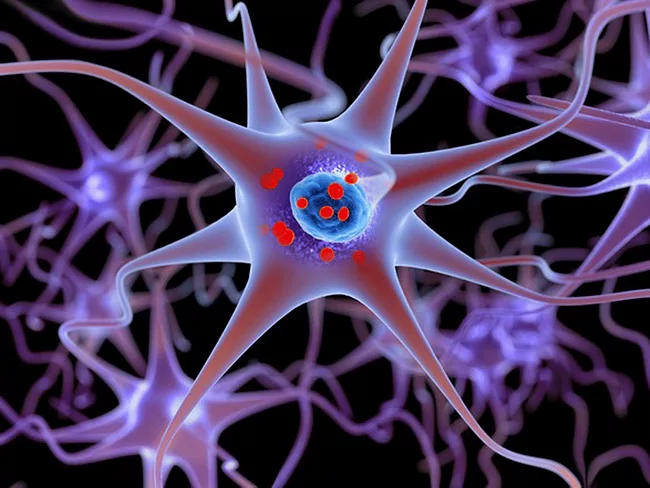
Targeting the toxic alpha-synuclein protein found in the brains of people with Parkinson’s is one of the most promising approaches to treat the disease in the clinic – but getting any drug into the brain is a challenge. Sanofi SA has joined with ABL Bio Inc. to solve this problem, in-licensing ABL-301, a preclinical bispecific antibody that locks on to misfolded alpha-synuclein but also includes a molecular “shuttle” that allows it to penetrate the blood-brain barrier.
Targeting VEGF and DLL4 at the same time in solid tumors is an approach that continues to entice researchers, with such firms as Abbvie Inc., Compass Therapeutics Inc. and Oncxerna Therapeutics Inc. working to come up with oncology solutions.
Targeting the toxic alpha-synuclein protein found in the brains of people with Parkinson’s is one of the most promising approaches to treat the disease in the clinic – but getting any drug into the brain is a challenge. Sanofi SA has joined with ABL Bio Inc. to solve this problem, in-licensing ABL-301, a preclinical bispecific antibody that locks on to misfolded alpha-synuclein but also includes a molecular “shuttle” that allows it to penetrate the blood-brain barrier.
DUBLIN – Immatics NV is banking $150 million up front and could earn up to $770 million more in development, regulatory and commercial milestones from a licensing deal with Bristol Myers Squibb Co. involving IMA-401, its lead bispecific engineered T-cell receptor (TCR).
PERTH, Australia – Startup Currus Biologics Pty Ltd. has launched with a AU$10 million (US$7.5 million) series A round with the mission of improving the success of CAR T-cell therapies against solid tumors such as breast, ovarian and pancreatic cancers.
DUBLIN – Numab Therapeutics AG has moved closer to the front rank of European antibody developers by raising CHF100 million (US$111 million) in a series C financing round to accelerate the development of NM21-1480, a trispecific antibody that acts both as a PD-L1 inhibitor and 4-1BB (CD137) agonist. It also contains a human serum albumin recognition group, to extend its circulatory half-life.