As part of a series of guidances addressing clinical trial diversity, the U.S. FDA issued a draft guidance April 13 focused on improving enrollment of participants from underrepresented racial and ethnic populations.
Elevated serum creatinine levels in some participants prompted Biocryst Pharmaceuticals Inc. to pause three clinical trials involving BCX-9930, an oral, small-molecule factor D inhibitor for treating rare diseases.
A brainwave biomarker licensed by digital therapeutic startup Empower Therapeutics Inc. showed potential to identify patients with high sensitivity to pain. In a new study carried out by researchers at the University of Birmingham, U.K., the biomarker predicted which patients had a pain score of seven out of 10 or higher (severe pain) following lung surgery.
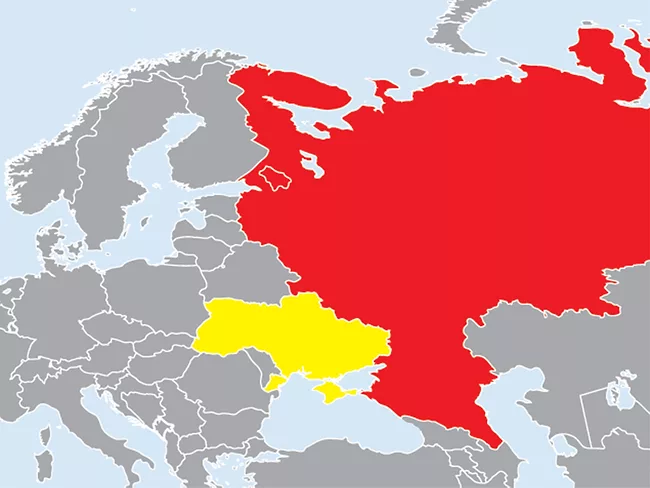
With the Russian invasion of Ukraine continuing to disrupt thousands of clinical trials throughout the region, the European Commission, the EMA and the Heads of Medicines Agencies are developing advice to help sponsors mitigate the issues. For now, sponsors should apply the approaches and flexibilities used during the COVID-19 pandemic to the current situation, the groups said March 30.
With the Russian invasion of Ukraine continuing to disrupt thousands of clinical trials throughout the region, the European Commission, the EMA and the Heads of Medicines Agencies are developing advice to help sponsors mitigate the issues.
Unless the U.S. FDA once again overrides its Peripheral and Central Nervous System Drugs Advisory Committee, it looks like the ALS community will have a longer wait for an additional tool against the fatal, degenerative disease. After hearing from both Amylyx Pharmaceuticals Inc. and FDA reviewers, along with 26 people testifying during the open public hearing, the committee voted March 30 against approval of AMX-0035, a fixed-dose combination of sodium phenylbutyrate and taurursodiol, as a much-needed treatment for amyotrophic lateral sclerosis (ALS).
Headlines the world over have been dominated by the resilience of the Ukrainian military – but the country’s clinical research body said that amid the chaos of war, trials are carrying on despite the destruction of hospitals and civilian infrastructure. As revealed by BioWorld, big pharma sponsors are putting clinical studies on hold in Russia, Ukraine and Belarus as the war plays havoc with medical supplies and the normal functioning of society.
Big pharma sponsors of clinical trials in Ukraine are putting studies on hold in Russia, Ukraine and Belarus as the conflict continues into its third week. As revealed by BioWorld last week, hundreds of clinical trials were being conducted in the two countries at the time Russian President Vladimir Putin gave orders to invade Ukraine on Feb. 20.
As the conflict in Ukraine intensifies following the Russian invasion, hundreds of clinical trials could be in jeopardy amid the chaos and destruction of war, with pharma giant Merck & Co. Inc. saying it is putting recruitment for dozens of studies on hold.
New drug and device regulations going into effect in Canada are serving as a reminder of the extended life of the COVID-19 pandemic. After two years of interim orders regulating the importation and sale of drugs and devices for COVID-19 clinical trials and the conduct of those trials, Canada is issuing long-term regulations that will incorporate most of the provisions of the temporary orders.