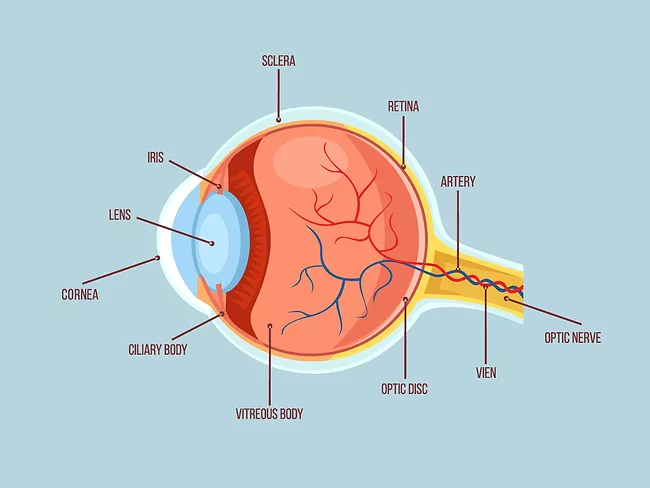
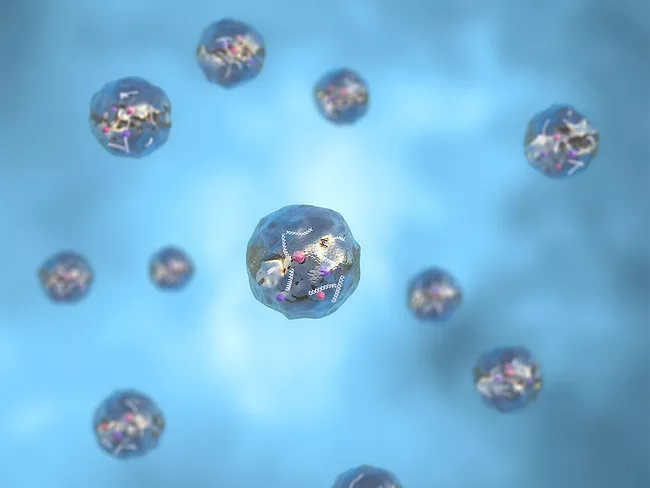
Nurexone Biologic Inc. has announced preliminary results from a small-scale controlled study at Sheba Medical Center exploring the use of nanodrug Exopten for optic nerve recovery in a rat model. An optic nerve crush (ONC) model was used to simulate conditions such as glaucoma, where the optic nerve is damaged, resulting in impaired vision.
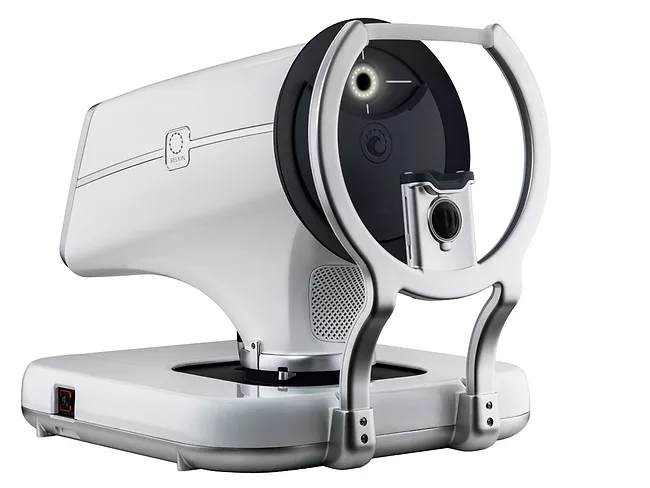
Alcon AG completed the acquisition of Belkin Vision Ltd. with an upfront consideration of $81 million with an additional $385 million in contingent payments. With the deal, Alcon gets its hands on Belkin’s U.S. FDA-cleared direct selective laser trabeculoplasty device, expanding its treatment options for patients with glaucoma.
Nurexone Biologic Inc. has announced a preclinical study to explore the potential of the company’s exosome-based therapies for regenerating damaged optic nerves. The study is led by principal investigators from the Sheba Medical Center Eye Institute.
After the phase IIa failure at lowering intraocular pressure to a statistically significant degree with SBI-100, Skye Bioscience Inc. is dropping work with the ophthalmic emulsion, meant to treat primary open-angle glaucoma or ocular hypertension. Resources are turning to the firm’s metabolic program, which includes nimacimab, targeting the cannabinoid 1 receptor, due to start a phase II trial in obesity during the third quarter of this year.
Avirmax Biopharma Inc. has received IND approval from the FDA to initiate a phase I/IIa trial for its gene therapy treatment targeting wet age-related macular degeneration (AMD), including polypoidal choroidal vasculopathy (PCV).
Lowering intraocular pressure (IOP) is still the only approach for treating glaucoma, in which there is mitochondrial damage in the retinal ganglion cells (RGCs). Activating survival pathways in RGCs was thus hypothesized by Indiana University scientists as a strategy for treating glaucoma independently of IOP modulation.
Ultrasound cyclodestruction may not be the darling of American ophthalmologists and their patients dealing with glaucoma, but that may soon change thanks to a recent move by the U.S. FDA. The agency has down-classified these devices from class III to class II in a move that may prompt competition for current device-based methods of treating glaucoma, including widely used laser-based treatments.
From glaucoma to Stargardt disease, age-related macular degeneration (AMD) to retinitis pigmentosa, or a corneal transplant to Bietti’s crystalline dystrophy, the 27th Annual Meeting of the American Society of Gene & Cell Therapy (ASGCT) is working to bring some light to patients with age and congenital diseases that affect vision. From May 7-11, 2024, thousands of scientists are gathering in Baltimore to show their advances against the challenges of delivering genes and cells to the correct place, avoiding immunogenicity and improving diseases.
From glaucoma to Stargardt disease, age-related macular degeneration (AMD) to retinitis pigmentosa, or a corneal transplant to Bietti’s crystalline dystrophy, the 27th Annual Meeting of the American Society of Gene & Cell Therapy (ASGCT) is working to bring some light to patients with age and congenital diseases that affect vision. From May 7-11, 2024, thousands of scientists are gathering in Baltimore to show their advances against the challenges of delivering genes and cells to the correct place, avoiding immunogenicity and improving diseases.
Recent findings discovered a mutation in the METTL23 gene, which encodes methyltransferase-like protein 23, in a pedigree of normal-tension glaucoma (NTG). The aim of researchers from the Institute for Vision Research, The University of Iowa Roy J and Lucille A Carver College of Medicine was to confirm an association of mutations in this gene with NTG.