Recent findings discovered a mutation in the METTL23 gene, which encodes methyltransferase-like protein 23, in a pedigree of normal-tension glaucoma (NTG). The aim of researchers from the Institute for Vision Research, The University of Iowa Roy J and Lucille A Carver College of Medicine was to confirm an association of mutations in this gene with NTG.
Previous findings had shown that injecting pepatin-1 prevented the death of retinal ganglion cells (RGCs) in rats with ocular hypertension. Additionally, transcriptomic analysis in RGCs revealed cAMP response element-binding protein (CREB) signaling to be activated by peptain-1 conjugated with a cell-penetrating peptide, named P1-CPP.
Schepens Eye Research Institute presented new preclinical data on its AAV2.sFasL gene therapy, an adeno-associated virus (AVV2) encoding soluble Fas ligand (sFasL) for the potential prevention of glaucoma.
Richmond Hill, N.Y.-based Ihealthscreen Inc. reported the granting of a patent from the USPTO for automated systems for predicting and detecting the onset of glaucoma.
Asha Therapeutics LLC has nominated a development candidate, ASHA-624, as a potential disease-modifying therapy for amyotrophic lateral sclerosis (ALS) with additional indications in chemotherapy-induced peripheral neuropathy, glaucoma, and traumatic brain and spinal cord injuries. ASHA-624 is expected to enter the clinic by year-end.
Researchers from Universita degli Studi di Firenze (University of Florence) and Istituto di Bioscienze e Biorisorse (IBBR) published the discovery of new carbonic anhydrase (CA) inhibitors to be developed as antiglaucoma agents.
Investigators from Tanta University and affiliated organizations have reported the discovery and preclinical characterization of novel carbonic anhydrase (CA) isoform II inhibitors as potential antiglaucoma agents.
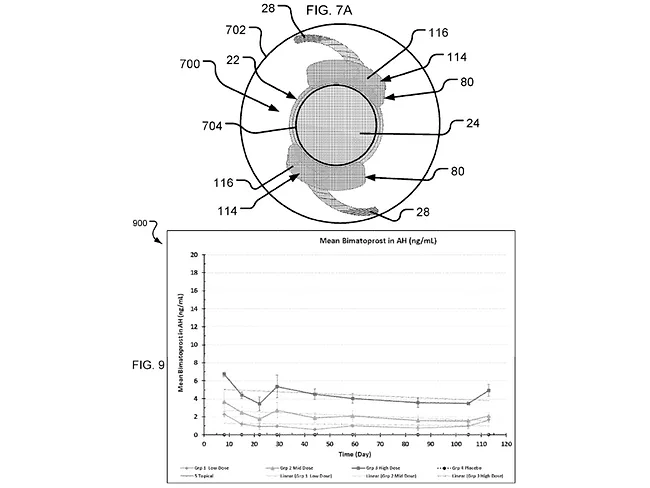
Spyglass Ophthalmics Inc. is seeking patent protection for intraocular drug delivery devices and methods of delivering therapeutic agents to the eye. The methods include implanting an intraocular implant into the eye and adjacent to a fluid-permeable membrane of the patient’s eye.
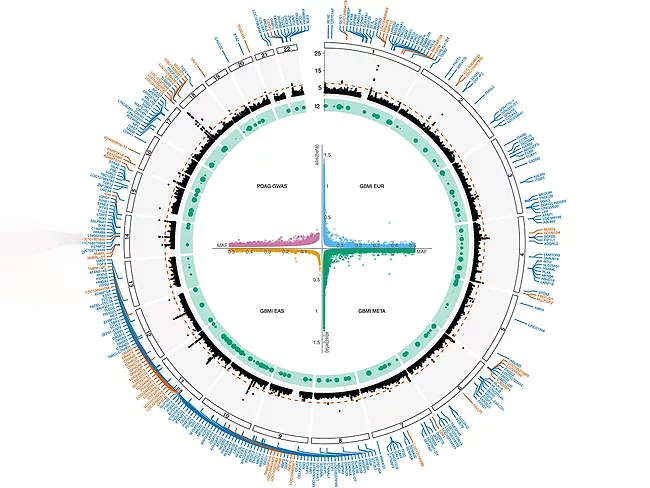
Primary open-angle glaucoma is the leading cause of blindness globally. Individuals of African ancestry have a disproportionately high risk of developing glaucoma, but genetic risk factors have been studied mainly in populations of European ancestry.
N4 Pharma plc’s subsidiary Nanogenics Ltd. has signed a contract to start the formulation and sequence selection work to prepare its ECP-105 product for testing in preclinical studies.