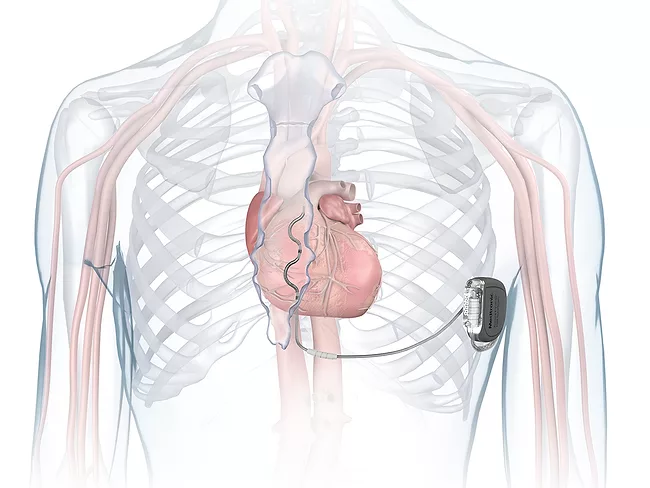
Medtronic plc recently received the CE mark for its Aurora extravascular implantable cardioverter-defibrillator (EV-ICD) strengthening its cardiovascular portfolio which saw a 7% year-on-year growth in the third quarter of its fiscal year 2023.
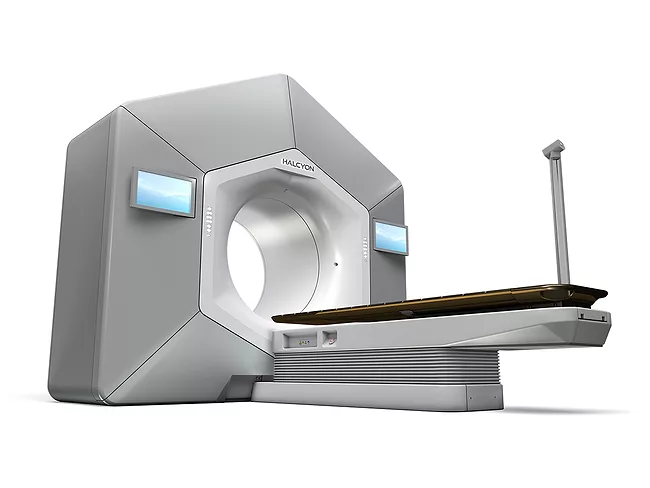
Varian’s Halcyon and Ethos radiotherapy systems received two regulatory nods in short succession, with both U.S. FDA 510(k) clearance and CE marking. In addition, the company reported that the first patient in the world underwent treatment with a Halcyon system with Hypersight last week.
Eyenuk Inc. is significantly extending the scope of its artificial intelligence system for the automatic analysis of retinal images, adding the diagnosis of age-related macular degeneration (AMD) and glaucoma to the EU approved uses of Eyeart AI.
Seekin Inc.’s cancer mutation detection kit Pancanseek for leukemia patients has received a CE-IVD mark, expanding the company’s reach in the testing space.
Surgibox Inc. won a CE mark for two components of its Surgifield system, an ultraportable sterile system that enables safe surgery any place, any time. The five-year-old startup also landed a humanitarian use exemption for use of the system in war-torn Ukraine.
The new EU Medical Devices Regulation (MDR) is not going down well with Swiss medical technology manufacturers. At a conference held on Oct. 19 in Bern, Switzerland on introducing the new EU MDR, the Swiss medical technology association, Swiss Medtech, which represents more than 700 firms, put out a harsh and definitive statement.
Fujifilm Healthcare Europe received the European CE mark for its next-generation therapeutic linear array ultrasound endoscope, the EG-740UT, designed for complex diagnostic and therapeutic endoscopic ultrasound procedures.
Getinge AB reported a partnership with Medtronic plc for the Radiant stent, the first covered stent indicated for chimney endovascular aneurysm repair (ChEVAR). This new balloon-expandable stent graft for renal arteries obtained CE mark approval on Sept. 20.
Owkin Inc. has secured CE marking for two first-in-class artificial intelligence (AI)-based diagnostics, marking a move from research use only and towards the mainstream for AI in enabling faster and more efficient analysis of digital pathology slides.