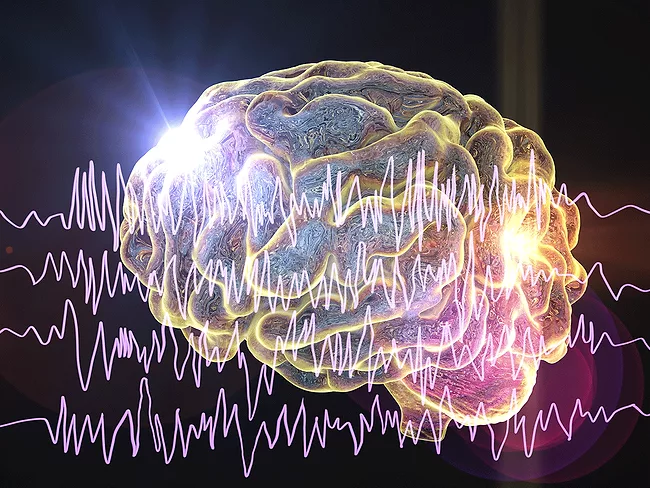
A cloud-based web application for long-term brain monitoring has received a CE mark to support personalized management of neuro-disorders such as epilepsy. Developed by Swiss neuroscience research organization Wyss Center, Epios Cloud displays and reviews electroencephalogram (EEG) recordings made by EEG devices using scalp and sub-scalp electrodes, heart rate and accelerometer measurements.
LONDON – Memed Diagnostics Ltd. has adapted the point-of-care test it developed to distinguish bacterial from viral infections to enable rapid assessment of the severity of COVID-19 infections in patients being admitted to the hospital. The triaging tool, Memed COVID-19 Severity, has received a CE mark in Europe and is ready for commercial rollout. After securing the CE mark, Memed is now pursuing emergency use authorization for the test from FDA.
Medtronic plc launched the newest product in its coronary portfolio, the Prevail drug-coated balloon (DCB) catheter, in Europe following CE mark approval. The device is intended for use during minimally invasive procedures to open narrowed or clogged arteries in patients with coronary artery disease.
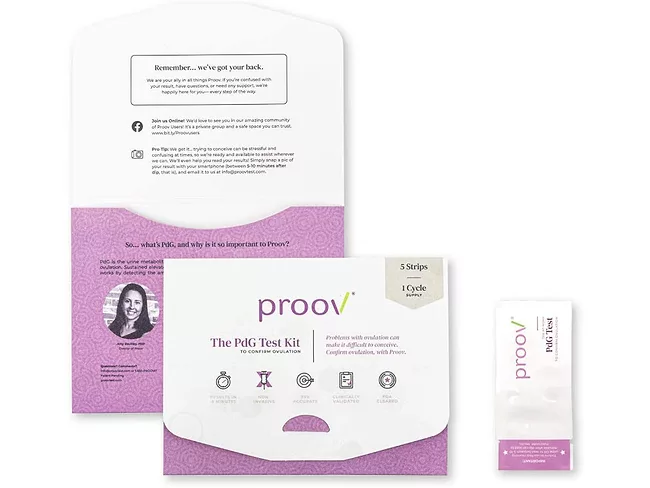
Mfb Fertility Inc. received CE mark approval for its Proov PdG tests, giving European women direct access to information about ovulation without a prescription. The test enables a woman to test her urine for production of sufficient progesterone to confirm ovulation and favorable conditions for conception.
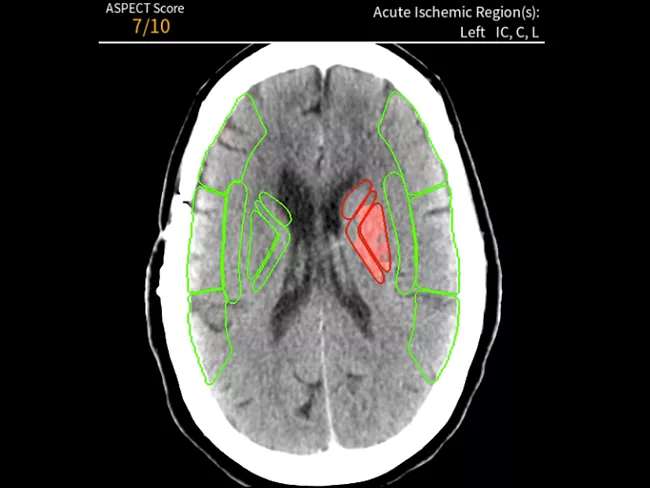
Avicenna.AI has enjoyed a head-spinning series of regulatory nods for its artificial intelligence (AI)-based solutions for serious vascular conditions including stroke, pulmonary embolism (PE) and aortic dissection. The Marseille, France-based company gained CE mark for its tool that quantifies the severity of a stroke based on a CT scan of the brain and displays regions that have suffered infarcts in late May, followed by CE mark and FDA 510(k) clearance for its product that permits emergency triage of PE and aortic dissection from CT-scan imaging in early June.
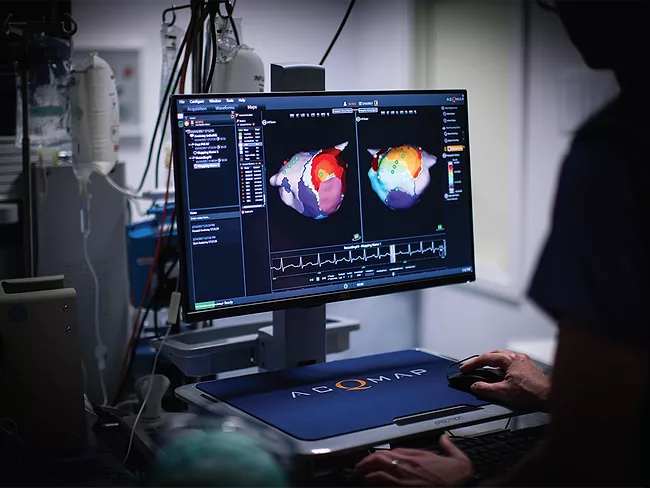
Acutus Medical Inc. scored big with regulators in recent weeks. The company, which focuses on devices to diagnose and treat cardiac arrhythmias, received FDA approval to launch an investigational device exemption clinical trial for its Acqblate Force sensing ablation catheter and system in atrial fibrillation just two weeks after gaining CE mark approval for a broad suite of electrophysiology products.
Eyeyon Medical Ltd. has won CE mark approval for its flagship product, Endoart, a synthetic implant that replaces the human endothelium, which the body can’t regenerate. Designed to treat chronic corneal edema, it could help to reduce the long wait times for human donor corneas. Approval was based on a first-in-human trials involving 22 patients who received Endoart implants and were followed for 24 months.
LONDON – Ibex Medical Analytics Ltd. has secured a second CE marking for its Galen artificial intelligence decision support system for automated interpretation of tumor biopsies, adding breast cancer to the approval in prostate cancer secured just over a year ago. The CE mark follows results from a blinded, multicenter clinical study at Institut Curie in France and Maccabi Healthcare Services in Israel. Ibex says that in the trial Galen breast demonstrated very high accuracy in detecting various types of breast cancer.
LONDON – Wise Srl has received CE marking for its cortical strip electrode, validating the underlying flexible electronics technology and opening the door to the development of implantable devices for long-term neurostimulation.
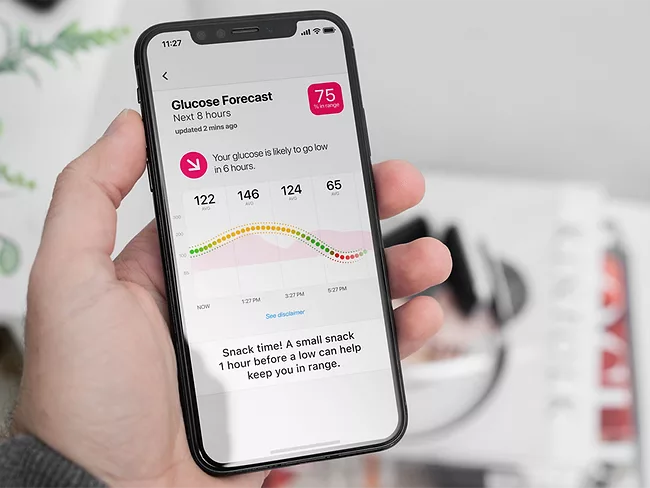
Information Data Systems Inc., doing business as One Drop, has earned the CE mark for its blood glucose prediction analysis engine to accurately forecast glucose levels up to eight hours in advance. The artificial intelligence (AI)-powered tool is indicated for people living with prediabetes, type 2 diabetes, including those on oral medications and/or insulin regimens, and gestational diabetes.