Norwegian diagnostics company Cardinor AS landed a CE mark for its Secretoneurin (SN) ELISA (enzyme-linked immunosorbent assay). The blood-based test detects SN, a small 33-amino acid neuropeptide produced by neuroendocrine and heart muscle cells. Studies have shown the biomarker is a predictor of mortality in major patient cohorts, including ventricular arrhythmia, acute heart failure, acute respiratory failure patients with cardiovascular disease (CVD) and severe sepsis.
The C-suite at Dexcom Inc. is breathing easy with the company having snagged CE marking for its latest continuous glucose monitoring (CGM) system, the G7, less than two weeks after receiving FDA breakthrough device designation for its CGM for hospital use. “This all-new platform offers an incredibly powerful CGM that is simple to use, providing our users with insightful glucose data on one screen that helps them spend less time managing diabetes and more time doing the things they love. Dexcom G7 takes everything people love about G6 and makes it even better,” said Dexcom CEO Kevin Sayer.
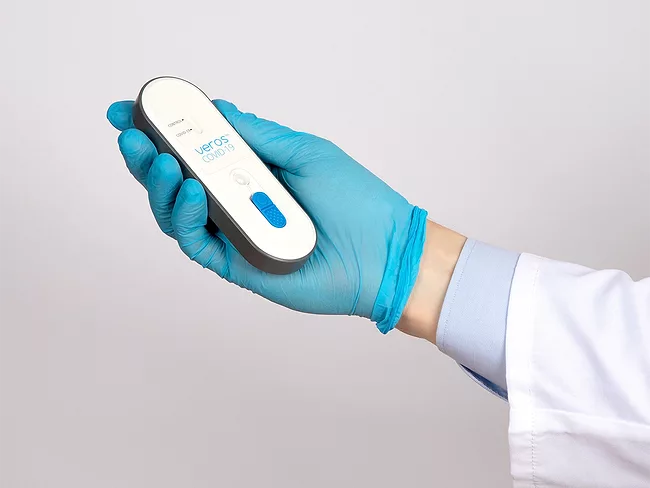
Sense Biodetection Ltd. is preparing to launch a new rapid, disposable, point-of-care molecular diagnostic test for COVID-19 in Europe after securing CE marking for the platform. The company will make its Veros COVID-19 test available in Ireland, Benelux and Nordic countries this quarter before expanding to other European markets.
PERTH, Australia – Australian digital health company Resapp Health Ltd. received clearance from Australia’s Therapeutics Good Administration and CE mark certification in the EU for its stand-alone cough counter application that tracks cough frequency using a smartphone. The class I software as a medical device is the first regulatory approval for such an application, which uses Resapp’s machine learning algorithms to identify cough events from audio recorded using the smartphone’s in-built microphone.
LONDON – The first commercial implantations of Istar Medical SA’s minimally invasive Miniject supraciliary glaucoma drainage device have taken place in Germany, following European CE approval for the product.
Medtronic plc’s Hugo robotic-assisted surgery system has received a CE mark for urologic and gynecologic procedures, paving the way for commercialization in Europe. The approval is a key milestone for the Dublin-headquartered company, following the launch of Hugo in Latin America and India. The company is prioritizing robotics as a major growth opportunity, but will face tough competition in the space as it goes head-to-head with established market leader Intuitive Surgical Inc. According to Medtronic, Europe could provide a significant opportunity due to its current low uptake of surgical robotic procedures.
A cloud-based web application for long-term brain monitoring has received a CE mark to support personalized management of neuro-disorders such as epilepsy. Developed by Swiss neuroscience research organization Wyss Center, Epios Cloud displays and reviews electroencephalogram (EEG) recordings made by EEG devices using scalp and sub-scalp electrodes, heart rate and accelerometer measurements.
LONDON – Memed Diagnostics Ltd. has adapted the point-of-care test it developed to distinguish bacterial from viral infections to enable rapid assessment of the severity of COVID-19 infections in patients being admitted to the hospital. The triaging tool, Memed COVID-19 Severity, has received a CE mark in Europe and is ready for commercial rollout. After securing the CE mark, Memed is now pursuing emergency use authorization for the test from FDA.
Medtronic plc launched the newest product in its coronary portfolio, the Prevail drug-coated balloon (DCB) catheter, in Europe following CE mark approval. The device is intended for use during minimally invasive procedures to open narrowed or clogged arteries in patients with coronary artery disease.
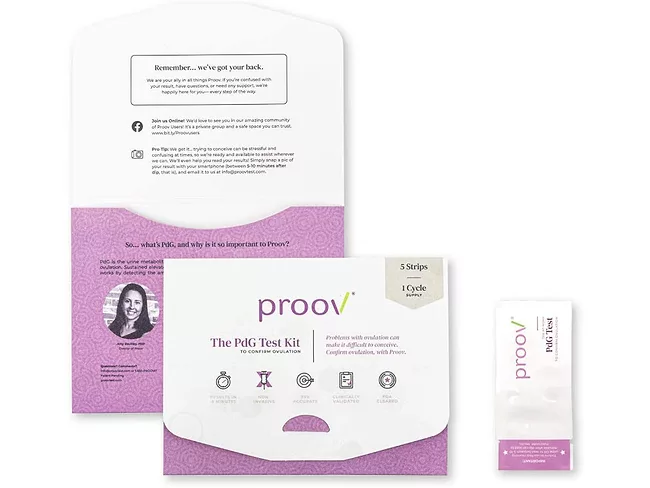
Mfb Fertility Inc. received CE mark approval for its Proov PdG tests, giving European women direct access to information about ovulation without a prescription. The test enables a woman to test her urine for production of sufficient progesterone to confirm ovulation and favorable conditions for conception.