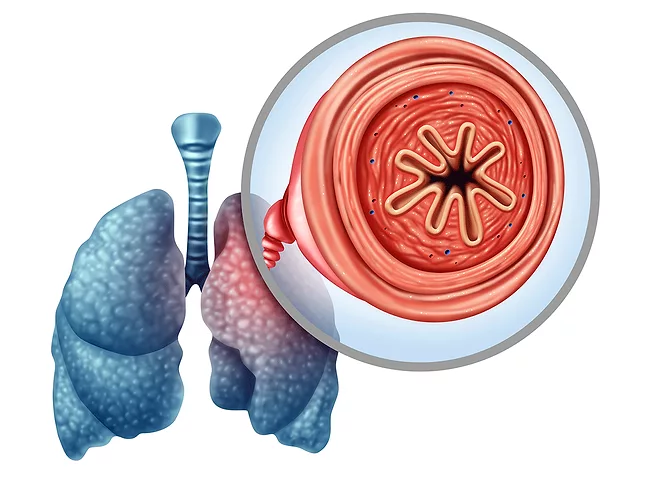
Medicare beneficiaries in the U.S. diagnosed with chronic obstructive pulmonary disease (COPD) may soon be covered for positive pressure ventilation in the home per a draft coverage memo from CMS.
Allurion Technologies Inc. is cleared by regulators in France to resume sales of its swallowable gastric balloon to treat obesity, in the country. Last summer, the company withdrew the Allurion Balloon from the French market amid concerns about the safety of the weight loss device. The greenlight to relaunch the product is good news for Allurion given that France represents a sizeable portion of its market.
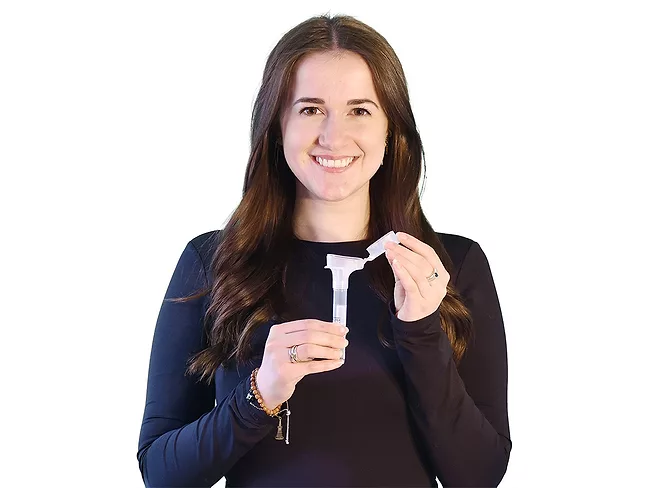
Ziwig SAS, which leads the race for a simple diagnostic for endometriosis, picked up the pace with a fast-track reimbursement decision in France for its Endotest, the first saliva-based diagnostic assay for endometriosis.
The U.K.’s National Institute for Health and Care Excellence (NICE) historically relies on cost savings to vet novel medical technologies, but that may soon change per a Feb. 7 announcement.
Site neutral payments under the U.S. Medicare program have been contentious for some time, and Congress seems poised to act on the issue in 2025. The Medicare Payment Advisory Commission is wary of making any recommendations as yet — a position that MedPAC may hold pending the collection of additional data.
Murray Hill, N.J.-based C.R. Bard Inc. agreed to pay roughly $17 million to settle allegations that it violated the Anti-Kickback Statute in connection with the use of a self-referral form for sales of the company’s intermittent catheter.
China is deepening its regulatory reforms of drugs and devices to foster a globally competitive innovation ecosystem to transform China from a major pharmaceutical manufacturer into a global pharmaceutical powerhouse.
China is deepening its regulatory reforms of drugs and devices to foster a globally competitive innovation ecosystem to transform China from a major pharmaceutical manufacturer into a global pharmaceutical powerhouse.
The discussion about taxpayer appropriations for CMS has been ongoing for decades, leading to futile speculation regarding user fees for the agency. Louis Jacques, who formerly worked at CMS, told BioWorld that Congress tends to be somewhat reactive when it comes to appropriations for CMS – a dynamic which suggests that appropriations for CMS are not likely to improve significantly in the near term.
The U.K. government will unveil its 10-year health plan to transform the national health service (NHS) in the coming months. At the center of this transformation is expected to be the adoption of artificial intelligence, digital and medical technologies. However, challenges in the NHS around its ‘core technology’, data capture and interoperability must be addressed before the government’s ambition can be realized.