With rates of preeclampsia skyrocketing, the U.S. FDA’s510(k) clearance of Roche Holding AG’s Elecsys test for preeclampsia offers some hope of reducing the number of women and infants who die or experience life-long consequences from the development of dangerously high blood pressure during late pregnancy and in the days immediately following delivery.
George Medicines, a new spinout from Australia’s George Institute for Global Health, could offer patients better control of their blood pressure as well as fewer side effects thanks to an ultra-low-dose triple combination.
George Medicines, a new spinout from Australia’s George Institute for Global Health, could offer patients better control of their blood pressure as well as fewer side effects thanks to an ultra-low-dose triple combination. A polypill that combines multiple medicines into a single tablet, GMRx2 was developed out of a 20-year research program at The George Institute for Global Health. The single pill is a combination of three best-in-class medicines: telmisartan, amlodipine and indapamide.
Researchers from the Mayo Clinic described the efficacy of NPA-7, a potential first-in-class multivalent fusion protein comprising a sequence of 22 amino acids of human BNP fused to the Mas receptor agonist Ang 1-7.
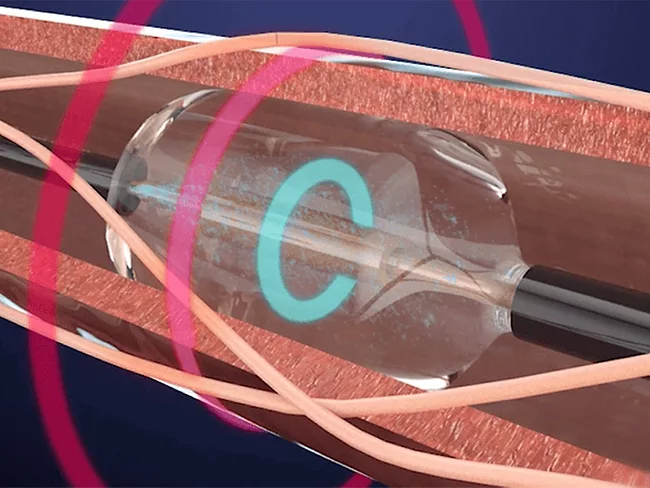
U.S. Medicare coverage of renal denervation (RDN) for uncontrolled hypertension may soon be a fact of life if the manufacturers of these systems have their way. CMS opened a national coverage analysis for RDN, but as is routine practice recently, the agency is asking for comment before posting even a draft coverage memo for this technology.
Hangzhou Sino-US Huadong Medicine Co. Ltd. and Synerk Pharmatech (Suzhou) Co. Ltd. have entered into a strategic collaboration in which the two parties will jointly develop the small nucleic acid (siRNA) drug SNK-2726.
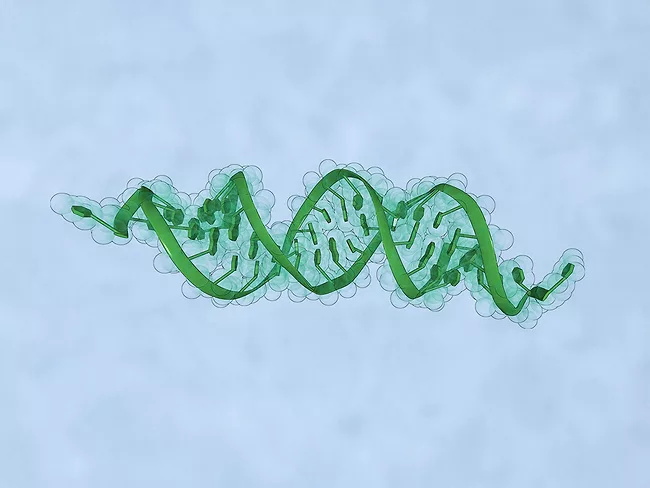
CSPC Pharmaceutical Group Ltd. has gained clinical trial approval from China’s National Medical Products Administration (NMPA) for SYH-2062 injection, a double-stranded small interfering RNA (siRNA) drug to treat hypertension.
Nanjing Mingde New Drug Research Co. Ltd. has identified cytochrome P450 11B2, mitochondrial (CYP11B2; aldosterone synthase; ALDOS) inhibitors reported to be useful for the treatment of hypertension.
G protein-coupled receptor 183 (GPR183) is a recently identified G protein-coupled receptor (GPCR) for oxysterols and hydroxylated metabolites of cholesterol, which plays multiple roles in lipid metabolism and immune responses.