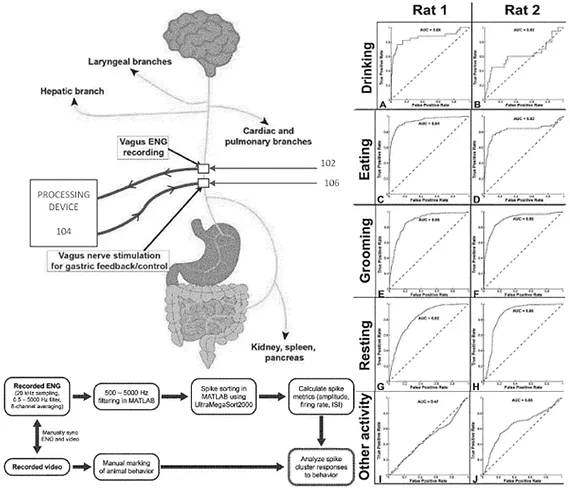
Researchers from Case Western Reserve University have filed for patent protection for a system and method for treating obesity or other gastric and/or metabolic disorders via closed-loop vagus nerve stimulation.
Danish obesity and diabetes drugmaker Novo Nordisk A/S is set to acquire the Singapore-based KBP Biosciences Co. Ltd.’s hypertension drug, ocedurenone (KBP-5074), for potentially $1.3 billion, creating a platform to increase its reach in the cardiovascular (CV) landscape beyond a crowding obesity market.
Calcineurin inhibitors used in clinics – including immunosuppressants for transplant rejection and autoimmune disease treatment – may cause persistent hypertension. Calcineurin inhibitors elevate sympathetic vasomotor activity by decreasing calcineurin activity and potentiating N-methyl-D-aspartate receptor (NMDAR) activity in the hypothalamus. However, how these inhibitors promote NMDAR activity in the hypothalamic paraventricular nucleus to increase sympathetic vasomotor activity remains unknown.
Dublin-based Medtronic plc. has invested considerable resources into its renal denervation program, but the company has not completed its regulatory journey for the U.S. market just yet. Medtronic failed to persuade an FDA advisory committee of the virtues of its Symplicity Spyral device due to inconsistent results from the two major studies presented at the hearing but vowed to keep working on the application despite the sustained headwinds.
The age of renal denervation as a treatment for hypertension may have finally arrived in the U.S. with the affirmative U.S. FDA advisory vote for the Paradise system for renal denervation by Recor Medical Inc., of Palo Alto, Calif. The 12-member advisory committee vote unanimously that the data suggested the ultrasound-based device was safe and voted 8-3 in support of the Paradise’s efficacy, an outcome that the agency may find difficult to refute, given the large public health impact of hypertension in the U.S.
Alnylam Pharmaceutical Inc. hopes to tap into Roche Holding AG’s global footprint with its early-stage hypertension RNAi therapeutic, zilebesiran, selling development and commercialization rights to the pharma giant for up to $2.8 billion with a view to extending the drug’s future reach beyond the U.S market.
The U.S. FDA granted Renalytix plc de novo marketing authorization for its prognostic test for chronic kidney disease (CKD). Kidneyintelx is an artificial intelligence-enabled prognostic testing platform to guide treatment decisions for adults with type 2 diabetes and diabetes-related early stage chronic kidney disease.
The European Society of Hypertension (ESH) has recommended that renal denervation (RDN) be offered as an adjunctive therapy to patients with resistant hypertension. Releasing new and updated guidelines on the management of arterial hypertension, the ESH said recent randomized controlled trials showed that endovascular RDN can be associated with a significant, albeit not marked, office and ambulatory blood pressure reduction in patients with uncontrolled hypertension.
Renal denervation (RDN) was described as the “comeback kid” at the recent EuroPCR conference in Paris where participants argued that following the success seen in several sham-controlled trials, there is now no doubt about the safety and the efficacy of the technology as a treatment for hypertension. The device-based procedure should now be used as a therapy option to reduce high blood pressure in patients, delegates heard.