Duality Biologics (Suzhou) Co. Ltd. has synthesized antibody-drug conjugates comprising anti-GPC3 antibodies covalently linked to exatecan derivatives through a linker. They are reported to be useful for the treatment of cancer.
Nammi Therapeutics Inc. has divulged prodrugs of Toll-like receptor (TLR) agonists and its self-assembled lipid nanoparticles reported to be useful for the treatment of cancer and immunological disorders.
Researchers from Ascentage Pharma Group International and Ascentage Pharma (Suzhou) Co. Ltd. have synthesized tricyclic compounds acting as inhibitor of apoptosis proteins (IAP) inhibitors reported to be useful for the treatment of cancer, AIDS, autoimmune disease, immune thrombocytopenia (idiopathic thrombocytopenic purpura), infections, psoriasis, rheumatoid arthritis, and inflammatory disorders, among others.
Researchers from MD Anderson Cancer Center recently presented the discovery and preclinical evaluation of LLO-CD47, a novel protein-antibody conjugate linking anti-CD47 to Listeriolysin O (LLO), a pore-forming protein secreted by Listeria monocytogenes to escape lysosomes.
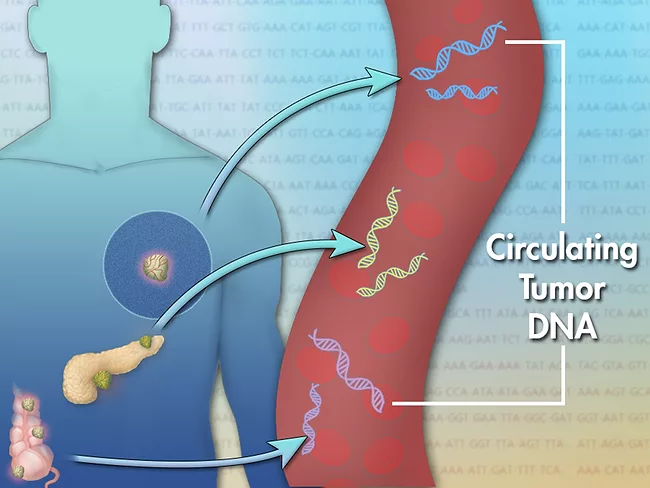
Providing the right therapy at the right time has proven more difficult in the world of cancer than in other disease areas thanks to the variability in treatment response, but a new study hints that this problem may be at least partly solved for non-small cell lung cancer (NSCLC). A study presented at this year’s meeting of the American Society for Radiation Oncology (ASTRO) in San Diego shows that circulating tumor DNA (ctDNA) can provide therapeutic guidelines for oligometastatic forms of the disease, including when high-dose radiation therapy may or may not be indicated.
Sorrento Therapeutics Inc. has divulged antibody-drug conjugates comprising antibodies targeting HER2 covalently linked to exatecan through a linker. They are reported to be useful for the treatment of cancer.
In a positive sign for its future success, Harbinger Health Inc. closed a $140 million series B fundraising round, bringing total funds raised since its founding in 2020 to $190 million. The new funds will be used to support completion of the company’s CORE-HH 10,000 participant study of its blood-based multicancer early detection (MCED) test. The company expects to complete enrollment in CORE-HH, a three-part case control, adaptive study with development, validation and longitudinal cohorts in 2024.
Researchers from Birla Institute of Technology & Science, Pilani and Jadavpur University have reported novel HDAC3 inhibitors as potential candidates for the treatment of breast cancer. Synthesis and optimization of a series of pyrazino-hydrazide-based HDAC3 inhibitors led to the characterization of compound [I] as the lead candidate with potent HDAC3 inhibitory activity (IC50=14 nM) and at least 121-fold selectivity.
Cyclin-dependent kinase 7 (CDK7) regulates both cell cycle and global transcription and is a validated therapeutic target in cancer. Researchers from Shanghai Hengrui Pharmaceutical Co. Ltd. reported on the discovery and preclinical evaluation of SHR-5428, a noncovalent CDK7 inhibitor.