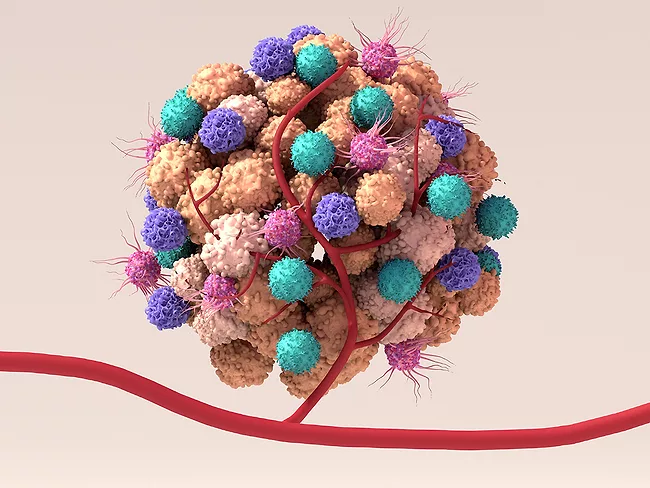
Harbour Biomed Ltd. has received IND clearance by the FDA to initiate clinical trials in the U.S. with HBM-1022, a monoclonal antibody generated from Harbour's integrated G protein-coupled receptor (GPCR) platform. The antibody can enhance antitumor immunity by depleting CCR8 positive regulatory T cells, activating effector T cells.
Dxcover Ltd. raised $9.25 million (£7.5 million) in a series A fundraising round and received a grant of $2.7 million (£2.2 million) from the European Innovation Council to support development of the company’s liquid biopsy platform for the detection of multiple early-stage cancers. Existing investors Eos Advisory LLP, Mercia Asset Management plc, Scottish Enterprise, University of Strathclyde, SIS Ventures and Norcliffe Capital led the round, which was also joined by Mark Banforth of Thairm Bio.
Several studies on the effect of hyperglycemia on malignant tumor progression have been performed; hyperglycemia is known to be a risk factor for breast cancer-related mortality, since it causes aberrant gene expression by altering the epigenome (hyperglycemic memory).
Recurv Pharma Inc. is set to receive investment of up to $24 million from TVM Capital Life Science GmbH to support development up to phase IIa proof of concept of RP-001 to treat solid tumors.
Precisedx Inc.’s digital artificial intelligence (AI) platform better predicts the recurrence of early-stage breast cancer within six years than traditional testing, a study published in Breast Cancer Research found. Understanding which patients with early-stage disease face significant risk of their cancer returning is important for guiding selection of treatment. The system reduces the variability inherent in histological characterization and grading of breast cancer (BC) today, thereby improving prognostic accuracy.
Ymmunobio AG has secured ownership of neuronal pentraxin receptor (NPTXR) antibodies after the company signed a transfer ownership agreement with Nagoya University for a license to NPTXR antibodies.
Alphamab (Jiangsu) Biopharmaceuticals Co. Ltd. has identified new antibody-drug conjugate (ADC) comprising bispecific antibodies targeting HER2 covalently bound to cytotoxic drugs through a linker reported to be useful for the treatment of cancer.

Breast cancer-associated gene 1 (BRCA1) is a critical tumor suppressor in breast cancer, and BRCA1 deficiency impairs DNA damage repair, leading to DNA damage accumulation and subsequent genetic alterations that result in the onset of breast cancer. In the current study, researchers from the University of Macau aimed to identify the potential factors that may participate in BRCA1-associated tumorigenesis.
Winning the race to market with the first oral selective estrogen receptor degrader (SERD) for breast cancer is Menarini Group’s elacestrant, which gained U.S. FDA approval for use as second- and third-line therapy in patients with ER-positive/HER2-negative advanced or metastatic disease with the ESR1 mutation. It marks the first therapy approved specifically targeting ESR1, found in up to 40% of patients with ER-positive/HER2-negative disease.
Roquefort Therapeutics plc's ROQ-A1 and ROQ-A2 Midkine (MDK) antibody programs, targeting metastatic breast cancer and metastatic lung cancer, have successfully demonstrated in vivo safety in preclinical development programs conducted by cancer research groups.