The U.S. Preventive Services Task Force (USPSTF) is proposing to lower the age of onset of regular breast cancer screening to 40 years, a massive jump of 10 years over the current recommended age of 50 years. While this is just a draft proposal, analysts who track the medical device industry say that medical imaging manufacturers, such as Marlborough, Mass.-based Hologic Inc., could see a significant uptick in demand for their systems, a much-needed boost as the drop in demand incurred by the COVID-19 pandemic comes to an end.
In the latest deal from the burgeoning antibody-drug conjugate (ADC) space, Eisai Co. Ltd. and privately held Bliss Biopharmaceutical (Hangzhou) Co. Ltd. reached a development and commercialization agreement that could be worth up to $2 billion. The massive collaboration is the eighth largest so far this year and one of three that involve ADCs in the year’s top 10 deals.
Roche AG acquired global rights to Zion Pharma Ltd.’s lead program, ZN-A-1041, an orally administered selective tyrosine kinase inhibitor that is designed to penetrate the blood-brain barrier and can prevent and treat brain metastases in HER2-positive metastatic breast cancer patients.
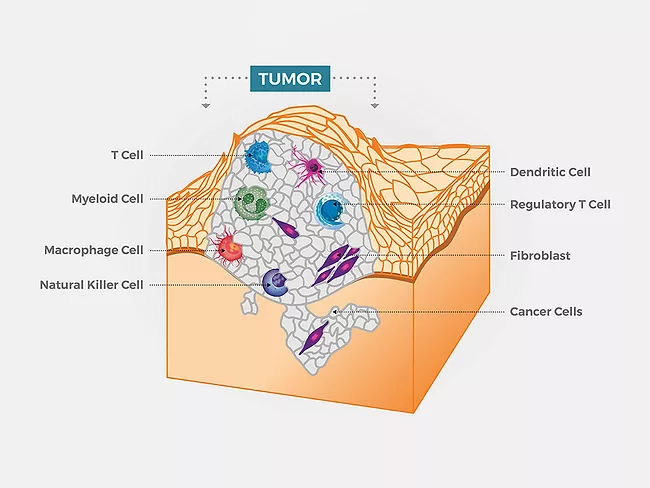
IL-18 is a pro-inflammatory cytokine that triggers IFN-γ production and increases T- and NK-cell activity. IL-18’s effects are blocked by IL-18 binding protein (IL-18BP), an endogenous protein that binds to IL-18 with high affinity and that is highly present in the tumor microenvironment (TME).
In the latest deal from the burgeoning antibody-drug conjugate (ADC) space, Eisai Co. Ltd. and privately held Bliss Biopharmaceutical (Hangzhou) Co. Ltd. reached a development and commercialization agreement that could be worth up to $2 billion. The massive collaboration is the eighth largest so far this year and one of three that involve ADCs in the year’s top 10 deals. The year’s biggest, according to BioWorld statistics, is the partnership extension between Evotec SE and Bristol Myers Squibb Co. to identify neurodegenerative disease therapies for eight years. The other ADC deals involve Synaffix BV, which signed a $2 billion pact in January with Amgen Inc., and a $2.2 billion expanded deal in February with Macrogenics Inc.
Cyclin-dependent kinase 4 and 6 (CDK4 and CDK6) are validated targets for the treatment of ER+/HER2- breast cancer, but resistance to therapy is still a problem in these patients, with >20% of them developing intrinsic resistance and up to 70% developing acquired resistance within 3 years.
Biocartis Group NV recent entered an agreement with Apis Assay Technologies Ltd. to develop Apis’ breast cancer subtyping assay on its Idylla platform, is part of the Belgium company’s mission to bring complex molecular testing to as many patients as possible, outgoing Biocartis CEO Herman Verrelst, told BioWorld. The Idylla platform is a fully automated, real-time PCR based molecular testing system. With the technology failing to penetrate the U.S. market, and the share price tanking in recent years, the Belgium-based company recently appointed Roger Moody to the top job, effective Apr. 24, 2023.