Two studies published this week have reported new insights into the role of the nervous system in tumors outside of the brain. Researchers at the Shanghai Jiao Tong University School of Medicine have identified a role for pain-sensing neurons in helping oral carcinomas cope with nutrient starvation, and that this interaction could be blocked by the calcitonin gene-related peptide (CGRP)-targeting migraine drug Nurtec ODT (rimegepant; Biohaven Pharmaceutical Holding Co. Ltd.).
Integral Biosciences Pvt. Ltd. (IBS) has synthesized oxysterols receptor LXR-β (LXRB) agonists reported to be useful for the treatment of cancer, inflammation and Alzheimer's disease.
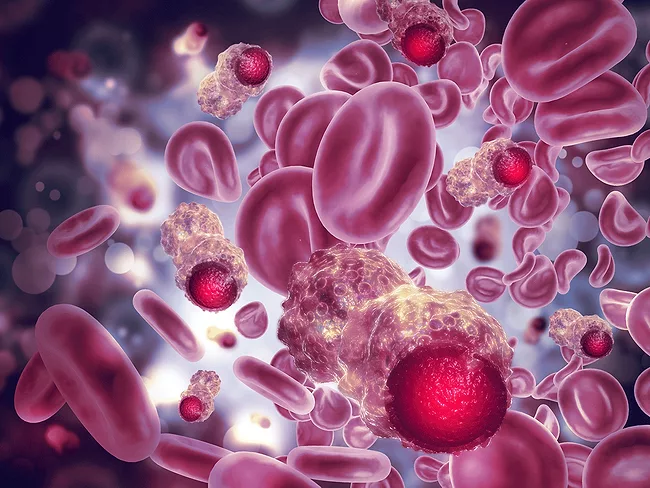
Circulating tumor cells (CTCs) transit through the bloodstream and they exhibit heterogeneity in their expression of epithelial and mesenchymal marker proteins, including the cadherin proteins. Based on these findings, researchers from Massachusetts General Hospital and Harvard Medical School evaluated the potential of the dual anti-cadherin antibody, 23C6, in targeting CTC-dependent blood-borne metastasis.
Elpiscience Biopharma Ltd.’s ES-005 is a new high-affinity monoclonal antibody (MAb) that blocks human lymphocyte-activated gene 3 (LAG3) from binding to several ligands, such as major histocompatibility complex class II (MHC-II), liver and lymph node sinusoidal endothelial cell C-type lectin (L SECtin) and fibrinogen like 1 (FGL1).
Que Oncology Inc.’s Q-122 significantly reduced the frequency and severity of moderate and severe vasomotor symptoms, or hot flashes, in women taking endocrine therapy for breast cancer, and phase II results showed associated improvement in quality of life, compared with placebo.
Que Oncology Inc.’s Q-122 significantly reduced the frequency and severity of moderate and severe vasomotor symptoms, or hot flashes, in women taking endocrine therapy for breast cancer, and phase II results showed associated improvement in quality of life, compared with placebo.
Samantree Medical SA has published clinical data demonstrating a significant reduction in re-operations in breast-conserving surgery using its novel ultra-fast confocal microscopy technology. The study on its medical imaging platform, the Histolog scanner, has just been published in The Breast.
Researchers from Incyte Research Institute presented the discovery of a cyclin-dependent kinase 2 (CDK2) inhibitor, INCB-123667, being developed for the treatment of cyclin E dysregulated cancers.
Orion Corp. has described transcriptional coactivator YAP1/transcriptional enhancer factor (TEAD) interaction inhibitors reported to be useful for the treatment of cancer, musculoskeletal and neuropathic pain.