Trastuzumab-based chemotherapy has demonstrated clinical benefits in the treatment of HER2+ breast cancer. There is a percentage of patients who do not respond to therapy and have a poorer prognosis than those who respond. To better understand the mechanisms behind trastuzumab resistance, researchers in China studied the role of transcription elongation factor A protein-like 9 (TCEAL9) in resistance to trastuzumab-based chemotherapy in HER+ breast cancer.
Inhibitors of cyclin-dependent kinase 4 (CDK4) and CDK6, such as palbociclib, have significantly improved progression-free survival of several breast cancer types, such as hormone receptor-positive, HER2-negative luminal breast cancers, with about 40% being unresponsive or refractory to therapy; the main cause of resistance is the selection of mutant clones in the target oncoprotein.
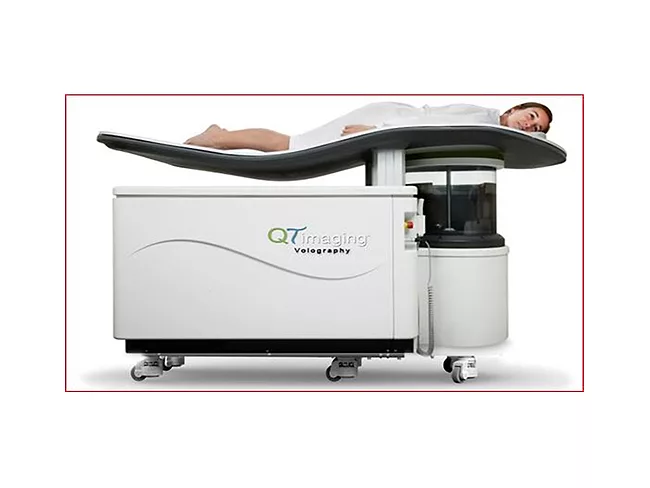
Transition ultrasound startup QT Imaging Inc. is poised to go public via a merger with Gigcapital5 Inc., a special purpose acquisition company (SPAC), in a deal that puts the equity value of the combination at $151 million. The combined company, QT Imaging Holdings Inc. will be traded on the NYSE under the ticker symbol QTI.
Previous research has shown that cytotoxic lymphocytes rely on gasdermin-mediated pyroptosis to kill tumor cells. Pyroptosis appears to be closely involved in anticancer immune response and has therefore emerged as a promising strategy for cancer treatment. In a recently published study, scientists at the University of Wisconsin-Madison aimed to leverage gasdermin-triggered pyroptosis for antitumor immunotherapy.
Integra Lifesciences Holding Corp. agreed to acquire Surgical Innovation Associates Inc. (SIA) in a deal that could be worth $140 million, the companies reported. Integra will pay $50 million on closing, expected by the end of the year. The company will pay an additional $90 million contingent on achievement of certain revenue and regulatory milestones through 2026.
Researchers from Phio Pharmaceuticals Corp. presented preclinical data for PH-109, a novel self-delivering RNAi targeting connective tissue growth factor (CTGF), which was originally developed and assessed in early clinical trials as potential treatment of dermal hypertrophic scarring and subretinal fibrosis. The current study evaluated PH-109 in a mouse model of metastatic breast cancer.
Researchers from Sutro Biopharma Inc. presented the discovery and preclinical characterization of a novel receptor tyrosine kinase-like orphan receptor 1 (ROR1)-targeted antibody-drug conjugate (ADC), STRO-003, being developed for the treatment of cancer.
Kayothera Inc. and Princeton University have identified aldehyde dehydrogenase (ALDH) inhibitors reported to be useful for the treatment of cancer, type 2 diabetes and metabolic disease, as well as for male contraception.