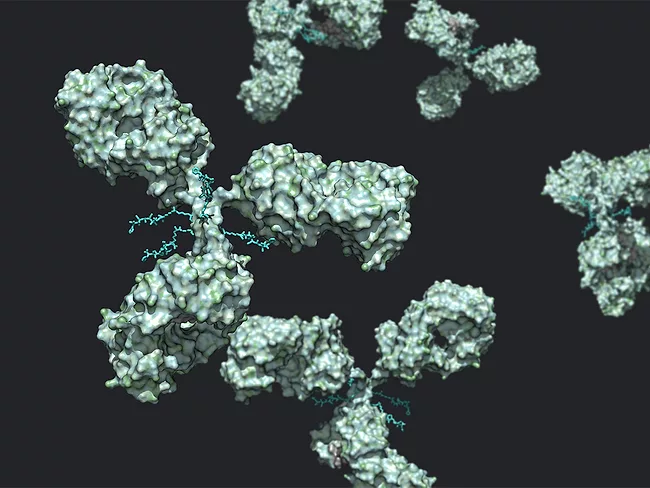
Jumping in for the first time to the hot antibody-drug conjugate (ADC) space, Paris-based Ipsen SA pulled in exclusive global rights to a preclinical ROR1-targeting candidate from Sutro Biopharma Inc. in a deal worth up to $900 million. STRO-003, the first ADC to join Ipsen’s portfolio, contains an anti-ROR1 human IgG1 antibody (SP-11385) conjugated to an exatecan warhead, or payload.
Researchers from Ipsen Ltd. and affiliated organizations presented the discovery and preclinical characterization of a novel NTCP inhibitor, A-7387, being developed for the treatment of HBV and HDV infections.
There are plenty of companies chasing the first U.S. FDA-approved treatment for the ultra-rare disease fibrodysplasia ossificans progressiva (FOP), but Ipsen SA stayed the course longer and won that approval Aug. 16 with Sohonos (palovarotene). Other companies have struggled to develop a treatment for FOP, which affects about 400 people in the U.S. and about 900 people worldwide. Some potential competitors are still in the clinic, trying to catch up.
The U.S. FDA has given its first approval for treating fibrodysplasia ossificans progressiva (FOP), an ultra-rare disease that creates bone formation outside the skeleton that can lead to immobility, life-threatening respiratory problems and a total locking of the jaw.
Mirati Therapeutics Inc.’s cancer treatment Krazati (adagrasib) is having a tough time outside the U.S. The EMA’s Committee for Medicinal Products for Human Use (CHMP) came out with a negative opinion on an MAA for treating KRAS G12C-mutated advanced non-small-cell lung cancer (NSCLC). The ruling came with a flurry of positive CHMP opinions for companies, including Abbvie Inc., Beigene Ltd. and the Janssen Pharmaceutical Cos., plus a mixed result for Ipsen SA after a stumble earlier this week.
Despite imperfect data and the use of post hoc analyses to overcome a failed endpoint, the U.S. FDA’s Endocrinologic and Metabolic Drugs Advisory Committee voted 10-4 June 28 that Ipsen SA’s ultra-rare bone disease drug, palovarotene, demonstrated efficacy in treating patients with fibrodysplasia ossificans progressiva (FOP).
After nearly 10 years in clinical development and just a few months after an EMA rejection, Ipsen SA will be making its case June 28 before a U.S. FDA advisory committee for its ultra-rare bone disease drug, palovarotene.
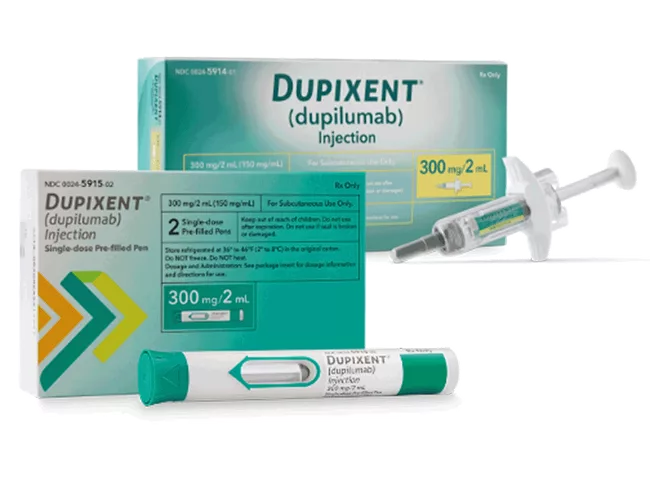
Where European regulatory decisions were concerned, there was good news and bad news for pharma today as Sanofi SA and Regeneron Pharmaceuticals Inc. got the go-ahead for expanded approval of Dupixent (dupilumab) in pediatric atopic dermatitis patients whilst Ipsen SA’s ultra-rare bone disease drug palovarotene was left off the shelf as efficacy data failed to impress.
Parties to Astrazeneca plc’s potential $1.8 billion takeover of Cincor Pharma Inc. are keeping mum about contingent value rights included in the deal for baxdrostat, the phase III-bound aldosterone synthase targeter in the works to treat hypertension and chronic kidney disease. Another acquisition that captured headlines as the J.P. Morgan Healthcare Conference launched in San Francisco: the $1.4 billion-plus agreement whereby Chiesi Farmaceutici S.p.A. will take ownership of Amryt Pharma plc. And there was more, as Ipsen SA pledged $952 million to make Albireo Pharma Inc. its own.
As Marengo Therapeutics Inc. gears up to start human trials with its lead compound, the company nailed down a deal with Ipsen SA worth $45 million up front and as much as $1.59 billion-plus in milestone rewards to advance a pair of candidates from the Selective T Cell Activation Repertoire (STAR) platform into the clinic.