Bladder cancer is among the 10 most frequent cancers around the world. While potentially effective treatments exist, they do not benefit all patients, so investigators continue to search for new targets. Researchers at Nanjing Drum Tower Hospital have identified sideroflexin 1 (SFXN1) as a potential therapeutic target.
Invasive bladder cancer can be treated through immunotherapy involving Bacillus Calmette-Guérin (BCG), but some 40%-60% of treated patients suffer progression or recurrence. In an effort to find more effective treatments for refractory disease, researchers at the Université de Sherbrooke and its hospital research center have engineered an oncolytic vesicular stomatitis virus encoding granulocyte-macrophage colony-stimulating factor (VSVd51-GM-CSF).
Aptevo Therapeutics Inc. has added a preclinical candidate, APVO-455, to its portfolio of CD3-directed candidates built on the CRIS-7-derived CD3 binding domain.
During a conference call after the U.S. FDA approval of Zusduri (mitomycin), Urogen Pharma Ltd. CEO Liz Barrett offered candid observations about a “roller-coaster ride” sparked by a mixed-outcome advisory panel meeting held May 21. Zusduri is designed to treat recurrent low-grade, intermediate-risk, non-muscle invasive bladder cancer.
More telling than the U.S. FDA’s Oncologic Drugs Advisory Committee’s 4-5 vote May 21 on the overall benefit-risk of Urogen Pharma Inc.’s UGN-102 (mitomycin) is that the panel’s urology specialists and the patient representative all voted yes, saying the drug would be an important alternative to what is often a continuing cycle of surgery for patients with recurrent low-grade intermediate-risk non-muscle invasive bladder cancer.
With a PDUFA date less than four weeks away, Urogen Pharma Inc. has been having a rough ride on the Street since the U.S. FDA released a joint briefing document for the May 21 Oncologic Drugs Advisory Committee meeting on UGN-102 (mitomycin).
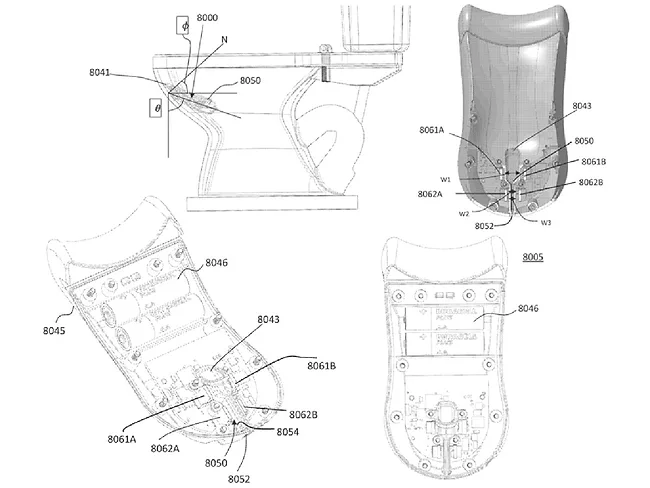
In what represents just the company’s third PCT filing, Houston-based Starling Medical Inc.’s co-founders, Hannah McKenney and William Hendricks, seek to gain further protection for their at-home urine diagnostic patient-monitoring platform that eliminates the traditional use of catching containers and dipsticks.
Some deubiquitinating enzymes may help protect against cancer, but others appear to promote it. Researchers from the First Affiliated Hospital of Zhejiang University have discovered that the deubiquitinator PSMD14 helps drive bladder cancer, and they have defined at least one signaling pathway through which it works, opening up possibilities for development of new treatments.
Bacillus Calmette-Guérin (BCG) remains the primary treatment for patients with high-risk bladder cancer, but resistance develops in 30% to 40% of cases. The use of oncolytic viruses has emerged as a promising alternative therapeutic strategy.