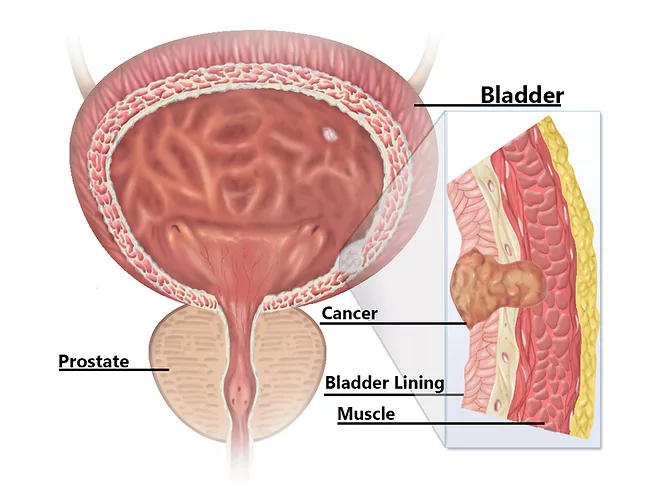
Evolveimmune Therapeutics Inc. has announced a translational research collaboration with Memorial Sloan Kettering Cancer Center (MSK) to investigate the expression of a new tumor target – UL binding protein 2 (ULBP2) – in muscle-invasive bladder cancer.
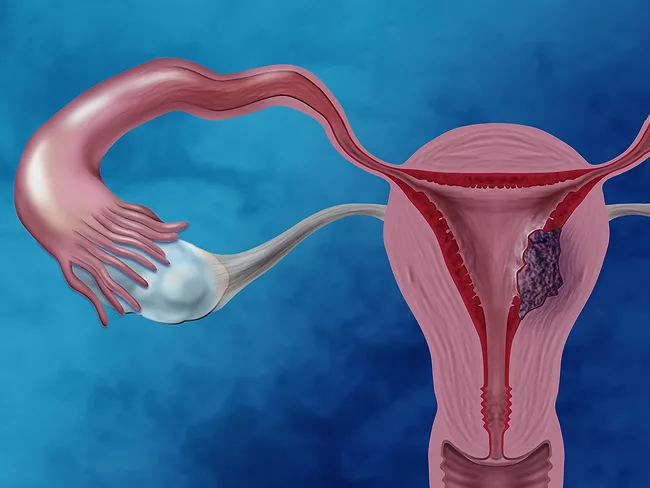
Acrivon Therapeutics Inc. provided updated phase II data for checkpoint kinase candidate ACR-368, highlighting promising response rates for biomarker-positive patients with endometrial cancer and raising the possibility of an accelerated pathway in the second-line setting.
Acrivon Therapeutics Inc. provided updated phase II data for checkpoint kinase candidate ACR-368, highlighting promising response rates for biomarker-positive patients with endometrial cancer and raising the possibility of an accelerated pathway in the second-line setting.
Bladder cancers (BCs) that invade the muscle layer are classified as muscle-invasive bladder cancers (MIBCs). The MIBC subtype accounts for around 25% of all BC cases, with a significant proportion of patients presenting distant metastases.
Solid tumors are difficult to treat due to their heterogeneity and limited blood supply, which restrict the effective delivery of anticancer drugs. Macrophages are abundant in solid tumor tissues and are the only cell type actively infiltrating hypoxic tumor regions, making them a promising option for delivering therapeutic agents directly to tumors.
Corbus Pharmaceuticals Inc. has placed its chips on “bets where somebody else is ahead of us,” CEO Yuval Cohen said. “The idea is to have a de-risked asset” that proves better in the clinic. At the 2025 American Society of Clinical Oncology Genitourinary (ASCO GU) Cancers Symposium in San Francisco, Corbus offered data from the U.S. and U.K. first-in-human dose-escalation study – the Western trial – with Nectin-4-targeting antibody-drug conjugate (ADC) CRB-701 (SYS-6002).
Asieris Pharmaceuticals Co. Ltd. has synthesized new protein arginine N-methyltransferase 5 (PRMT5) inhibitors described as potentially useful for the treatment of bladder cancer.
Previous research has shown that cell division cycle associated 4 (CDCA4) is overexpressed in multiple tumors and is involved in tumor progression. Researchers from Yangtze University and affiliated organizations investigated the role of CDCA4 in bladder cancer.
Oncolytic viruses are therapeutic agents used for in situ immunization in cancer immunotherapy. Unfortunately, its efficacy is particularly limited in solid tumors expressing stimulator of interferon genes (STING) and retinoic acid-inducible gene I (RIG-I).
Among the drug developers with clinical results featured at the annual meeting of the Society for Urologic Oncology (SUO) in Dallas were Protara Therapeutics Inc. with phase II numbers and CG Oncology Inc. with a phase III update. Protara’s shares (NASDAQ:TARA) closed Dec. 5 at $6.02, up $2.48, or 70%, having traded as high as $10.48 during the day. Less reactive was stock in CG (NASDAQ:CGON), which ended at $33.56, down $2.35.